







 Fusion
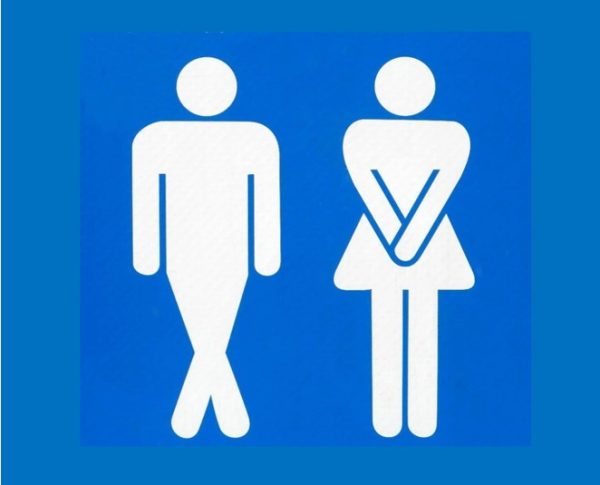
Why You Keep Needing to Pee And What to Do About It
Needing to visit the restroom too often can be uncomfortable and disruptive. Frequent urination is not always serious, but it is your body’s way of signaling that something might need attention. Frequent urination — the need to urinate more often than usual — can have several causes, ranging from lifestyle factors to underlying health conditions.
What are some of the Common reasons for frequent urination?
- High fluid or caffeine intake-
- Drinking a lot of water, tea, coffee, or alcohol can increase urine output.
- Caffeine and alcohol are diuretics, meaning they make your kidneys produce more urine.
2. Urinary Tract Infection (UTI)-
- A common cause, especially in women.
- Symptoms: burning sensation, cloudy or strong-smelling urine, lower abdominal pain.
3. Overactive bladder (OAB)-
- The bladder muscles contract too often, creating a sudden urge to urinate.
- May occur with age, stress, or certain medications.
4. Diabetes (Type 1 or 2)-
- High blood sugar levels cause the body to expel extra glucose through urine, leading to frequent urination and thirst.
5. Diuretic medications-
- Drugs for high blood pressure or heart conditions increase urine production.
6. Pregnancy-
- The growing uterus presses on the bladder, increasing the need to urinate.
7. Bladder or kidney stones
- Kidney stones irritate the urinary tract and cause urgency or pain when urinating.
8. Hormonal changes or menopause
- Decreased estrogen levels can weaken the bladder muscles or lining.
What can you do to prevent frequent urination?
1. Monitor fluid intake wisely:
- Stay hydrated but avoid drinking large amounts at once.
- Cut down on caffeine, alcohol, and fizzy drinks.
2. Practice bladder training:
- Try to gradually extend the time between urinations (start by 10–15 minutes more each time).
- Strengthen pelvic muscles with Kegel exercises.
3. Maintain good hygiene:
- Wipe front to back and urinate after sexual activity to prevent UTIs.
- Wear breathable cotton underwear.
4. Check your diet:
- Avoid bladder irritants like spicy foods, citrus, and artificial sweeteners.
- Eat fiber-rich foods to prevent constipation, which can pressure the bladder.
5. Manage blood sugar:
- If diabetic, keep glucose levels in range through balanced meals and exercise.
6. Seek medical advice:
- If frequent urination comes with pain, fever, blood in urine, or sudden changes, see a doctor.
- A simple urine test can help identify infections, glucose, or kidney issues.
If you notice pain, fever, or blood in your urine, it’s best to consult a doctor. With mindful habits, hydration balance, and proper care, you can support a healthy bladder and feel more comfortable throughout the day.
Image credit: Image by Zorro4 from Pixabay (Free to use under Pixabay content license)
Author: Sumana Rao | Posted on: April 8, 2026
« Previous Article
Next Article »
« What Is Brain Fog And How To Overcome Brain Fog Tips to Select Caregiver for Adults And Why It Matters »
« What Is Brain Fog And How To Overcome Brain Fog Tips to Select Caregiver for Adults And Why It Matters »











Write a comment