








 Fusion
Cauvery Calling: How Saving Rivers Can Secure Our Food Future
Food begins long before it reaches our plates. It starts with healthy soil, clean water, thriving ecosystems, and farmers who can sustainably grow crops. Across India, however, declining groundwater levels, soil degradation, and shrinking river systems are threatening agricultural productivity and food security. One initiative that seeks to address these interconnected challenges is Cauvery Calling, a large-scale river revitalization movement focused on restoring the Cauvery River basin through tree-based agriculture.
Our every meal is connected to the health of our soil, water, and farming communities!
Launched by the non-profit organization Isha Foundation and championed by Sadhguru, Cauvery Calling aims to support farmers in adopting agroforestry practices—integrating trees with crops on agricultural land. The movement recognizes that healthy rivers and sustainable food systems are deeply linked. By encouraging tree cover across the Cauvery basin, the initiative seeks to improve water retention, reduce soil erosion, increase biodiversity, and create more resilient farms.
The Cauvery River supports millions of people across the states of Karnataka and Tamil Nadu. Over the years, deforestation, intensive farming practices, and changing rainfall patterns have contributed to declining river flows and groundwater depletion. These environmental pressures directly affect agriculture, making it harder for farmers to maintain crop yields and livelihoods. Cauvery Calling proposes tree based farming as a practical solution that can benefit both the environment and rural communities.
From a food activism perspective, the movement highlights an important truth: sustainable food production depends on healthy ecosystems. Trees help improve soil structure, increase organic matter, enhance moisture retention, and support pollinators and beneficial wildlife. Agroforestry systems can also diversify farm income by providing fruits, timber, medicinal plants, and other products alongside traditional crops. This can reduce economic vulnerability for farmers while promoting long-term environmental stewardship.
The initiative also draws attention to consumer responsibility. Food activism is not only about what we eat but also about how food is grown and the environmental impact of agricultural practices. Supporting sustainably produced foods, learning about regenerative farming, and advocating for water conservation are ways consumers can contribute to a healthier food system. Efforts like Cauvery Calling encourage a broader conversation about the relationship between agriculture, water security, climate resilience, and public well-being.
While large-scale environmental challenges require multiple solutions, the movement has helped raise awareness about the urgent need to restore natural resources that support farming communities. By promoting tree-based agriculture and river rejuvenation, Cauvery Calling serves as an example of how ecological restoration can align with food security goals. Its central message is simple yet powerful: protecting rivers and rebuilding healthy landscapes are essential steps toward ensuring that future generations have access to nutritious food and sustainable livelihoods.
As climate change and resource pressures continue to impact agriculture, initiatives that connect environmental conservation with food production are becoming increasingly important. Cauvery Calling reminds us that every meal is connected to the health of our soil, water, and farming communities. Saving rivers is not only an environmental cause, but also a food security mission that affects us all.
Progress and future goals of Cauvery Calling:
Since its launch in 2019, the Cauvery Calling movement has made significant progress toward restoring the Cauvery basin through tree-based agriculture. According to the latest updates, more than 13.4 crore (134 million) trees have been planted across the Cauvery basin, helping approximately 2.6 lakh farmers transition to agroforestry practices. The long-term vision of the initiative is to facilitate the planting of 242 crore (2.42 billion) trees on private farmland across the basin, creating a sustainable model that benefits both the environment and farming communities. For the 2026–27 planting season, the movement has set a target of planting an additional 1.2 crore saplings, continuing its efforts to improve soil health, enhance groundwater recharge, increase biodiversity, and strengthen food security for millions who depend on the river system.
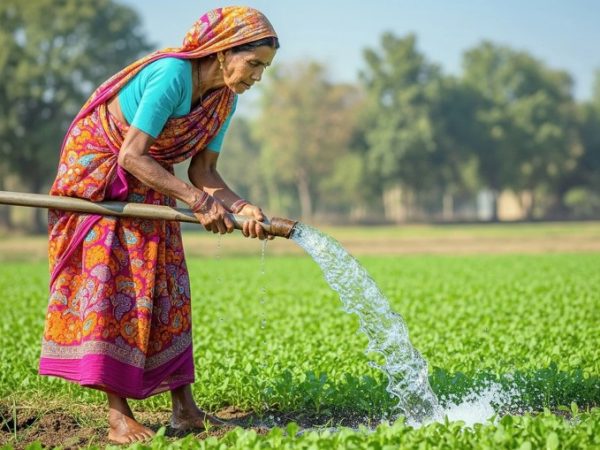
Image credit: Image by Sukhvinder Singh from Pixabay (Free to use under Pixabay content license, published on August 25, 2025)
Author: Sumana Rao | Posted on: June 17, 2026
« Previous Article
Next Article »
« What Is Climate Farming? How India Is Adopting Climate Smart Agriculture Maharashtra FDA Food Safety Crackdown 2026: Dairy, Restaurant and Medicine Recalls Explained »
« What Is Climate Farming? How India Is Adopting Climate Smart Agriculture Maharashtra FDA Food Safety Crackdown 2026: Dairy, Restaurant and Medicine Recalls Explained »













Write a comment