All posts by Sumana Rao

Don't worry about the people in your past; There's a reason they didn't make it to your future.
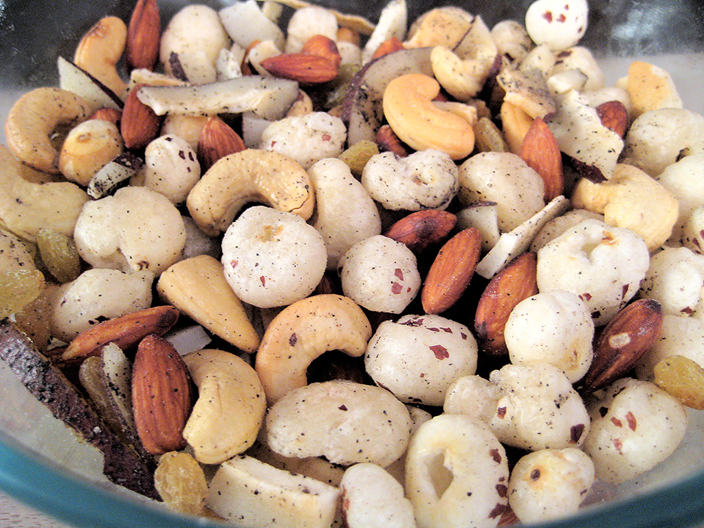
Zinc-Rich Foods - for faster wound healing and immunity booster

Zinc And Antioxidant Rich Foods

Zinc-Rich Foods – for faster wound healing and immunity booster

Zinc helps the body produce infection-fighting cells.

  1. Pumpkin seeds, sesame seeds
  2. Chickpeas, lentils, quinoa
  3. Cashews, almonds, walnuts

-Add seeds to oatmeal or blend into nut butter for an easy immune boost.

Antioxidant Rich Foods – to fight free radicals and inflammation

Antioxidants protect cells from damage and reduce inflammation.

  1. Blueberries, blackberries, raspberries
  2. Kids friendly dark chocolate – with lower cocoa percentage should be consumed in moderation. It supplies iron and magnesium too.
  3. Fruit juices – like pomegranate, berry smoothie, turmeric milk.

-Mix berries into oatmeal or make a smoothie bowl!

Image curtesy: Image by akshay bajaj from Pixabay (Free to use under Pixabay license content)


Author: Sumana Rao | Posted on: April 1, 2025
« »
« »

Recommended for you

Vitamin C-Rich Foods to boost white blood cells

Vitamin C And Prebiotic Foods

Vitamin C-Rich Foods to boost white blood cells

Vitamin C increases white blood cell production, which helps fight infections.

  1. Oranges, lemons, kiwi, strawberries
  2. Papaya, guava, bell peppers
  3. Broccoli, kale, spinach

-Add fresh citrus juice to water or blend berries into smoothies!

 Probiotic and prebiotic foods are for gut health and to build stronger immunity.

A healthy gut microbiome is crucial for a strong immune system.

  1. Probiotics: Yogurt, kefir, sauerkraut, miso, kimchi
  2. Prebiotics: Bananas, garlic, onions, asparagus

-Give your child a daily cup of probiotic-rich yogurt or kefir.

Image curtesy: Kid Boy China – Free photo on Pixabay (Free to use under Pixabay content license)


Author: Sumana Rao | Posted on:
« »
« »

Recommended for you

Natural Immunity Boosting Foods For Children

Natural Immunity Boosting Foods For Children

A strong immune system helps children fight infections, including strep throat, colds, and flu. A child’s immune system is still developing, making them more susceptible to infections. Strengthening their immunity requires a mix of nutritious food, lifestyle habits, and environmental factors.

The key to strong immunity in children

  • Nutritious diet – fruits, veggies, probiotics, zinc
  • Enough sleep – 9 to14 hours depending on age.
  • Daily exercise and outdoor play
  • Good hygiene and clean environment
  • Less stress, more laughter & love
  • Sunlight and natural remedies
  • Regular vaccinations and health checkups

A well-balanced meal helps children in many ways:

  1. Supports physical and mental growth.
  2. Prevents nutrient deficiencies.
  3. Improves digestion and immunity.
  4. Helps build healthy eating habits for life.

Image curtesy: Image by chameleon62foto from Pixabay (Free to use under Pixabay content license)

Vitamin C And Prebiotic Foods

Vitamin C-Rich Foods to boost white blood cells

Zinc And Antioxidant Rich Foods

Zinc-Rich Foods - for faster wound healing and immunity booster

Healthy Fats, Protein And Iron

Healthy Fats to support cell function and to reduce inflammation

Immune-Boosting vegetarian meal ideas for kids

Immune-Boosting vegetarian meal ideas for kids

Dinner And Snack Ideas

Dinner And Snack Ideas

Author: Sumana Rao | Posted on:
« »
« »

Recommended for you

Menopause hair loss

Reasons For Hair Loss During Menopause And How To Take Care

Menopause brings many changes to the body, including shifts in hair growth and texture. Many women notice thinning hair, increased hair fall, and slower regrowth during this phase. Understanding the causes of menopause-related hair loss and taking proactive steps can help maintain hair health.

Why does menopause cause hair loss?

The primary reason for hair loss during menopause is hormonal imbalance. Two hormones estrogen and progesterone, which help hair grow and stay in place longer, start declining during menopause. As these hormone levels drop, hair follicles shrink, leading to:

  • Thinning hair (especially at the crown or part line)
  • Slower hair growth
  • Increased hair fall

At the same time, androgens (male hormones like testosterone) may become more dominant, which can contribute to androgenic alopecia or female pattern baldness. Androgens can cause hair follicles to shrink, resulting in finer and weaker hair.

Other contributing factors include:

  • Stress: Increased cortisol levels can slow hair growth.
  • Nutritional deficiencies: Lack of essential nutrients like iron, biotin, and omega-3s can weaken hair.
  • Genetics: If your family has a history of female pattern baldness, you may be more prone to hair thinning.
  • Thyroid issues: Menopause can trigger thyroid imbalances, which may cause hair loss.

How to prevent and manage hair loss during menopause? While hair loss during menopause is common, there are ways to slow the process and encourage hair regrowth.

1. Eat a healthy diet: A nutrient-rich diet can strengthen hair follicles and support growth:

  • Protein: Hair is primarily made of keratin, a type of protein. Include plant-based sources like lentils, quinoa, tofu, and nuts.
  • Iron & Zinc: Found in leafy greens, beans, and pumpkin seeds, these minerals help prevent excessive shedding.
  • Omega-3 Fatty Acids: Essential for scalp health, found in flaxseeds, walnuts, and chia seeds.
  • Biotin & B Vitamins: Whole grains, avocados, and mushrooms support hair growth and reduce breakage.
  • Antioxidants: Found in berries, dark chocolate, and green tea, antioxidants help fight oxidative stress that damages hair follicles.

2. Use gentle hair care products:

  • Avoid harsh sulfate and alcohol-based products, as they can strip the hair of natural oils.
  • Use a mild, hydrating shampoo with natural ingredients like aloe vera, rosemary oil, or coconut oil.
  • Minimize heat styling (blow drying, curling irons) to prevent further hair weakening.
  • Limit chemical treatments like dyes, perms, and relaxers.

3. Scalp stimulation and natural remedies:

  • Scalp massage: Regularly massaging the scalp with essential oils like rosemary, peppermint, or castor oil can improve circulation and stimulate hair follicles.
  • Aloe vera Gel: Applied to the scalp, it soothes irritation and promotes hair growth.
  • Green tea rinse: Rich in antioxidants, green tea can reduce hair shedding when used as a rinse.

4. Manage stress and get better sleep: Since stress can increase cortisol levels and accelerate hair loss, it’s important to manage it through:

  • Yoga, breathing and meditation: Help reduce stress hormones.
  • Regular exercise: Boosts blood circulation, including the scalp.
  • Quality sleep: Aim for 7–9 hours to support overall hormonal balance.

5. Consider supplements and treatments:

  • Collagen: Improve hair strength and elasticity.
  • Saw palmetto: May help block DHT – Dihydrotestosterone -a hormone linked to hair thinning.
  • Herbs: Like Rosemary, Amla, Aloe vera, Fenugreek, Hibiscus, Henna, Curry leaves – help in regrowing hair.
  • If the hair loss is severe, your doctor might suggest low level laser therapy or hormone therapy to stimulate hair follicle

When to see a doctor? If hair loss becomes severe, consult a dermatologist or endocrinologist. They can check for underlying conditions like thyroid imbalances, iron deficiencies, or other hormonal disruptions.

Menopause related hair loss can be frustrating, but with the right lifestyle changes, hair care routine, and nutrition, you can slow the process and encourage regrowth. Patience is the key most hair regrowth strategies that take a few months to show results.

Image credit: Photo by Towfiqu barbhuiya: https://www.pexels.com/photo/a-woman-removing-hair-from-a-hair-brush-12941394/ (Free to use)



Author: Sumana Rao | Posted on: March 26, 2025
« »
« »

Recommended for you

Yugadi pachadi recipe

Celebrate Yugadi With Refreshing And Nourishing Yugadi Pachadi

Yugadi Pachadi is a symbolic dish made on Yugadi day to represent the different flavors of life: sweet, sour, bitter, spicy, salty, and tangy. It is made with simple ingredients and is nutritious, refreshing, and full of cultural meaning.

What benefits you get by consuming Yugadi pachadi? Continue reading…,

Symbolism of Yugadi pachadi’s flavors

  • Tangy (Raw Mango) – Surprises in life
  • Sweet (Jaggery) – Happiness
  • Sour (Tamarind) – Challenges
  • Bitter (Neem Flowers) – Sadness
  • Spicy (Chili/Pepper) – Excitement
  • Salty (Salt) Balance in life

Yugadi Pachadi simple recipe

Ingredients:

  1. Raw mango – ¼ cup (chopped, for tanginess)
  2. Neem flowers – 1 tsp (for bitterness)
  3. Jaggery – ½ cup (grated, for sweetness)
  4. Tamarind pulp – 2 tbsp (for sourness)
  5. Black pepper / Green Chili – ½ tsp (for spiciness)
  6.  Salt – ¼ tsp (for balance)
  7. Water – ½ to 1 cup (as needed for consistency)

Preparation:

1.Prepare the ingredients-

  1. Peel and finely chop the raw mango.
  2. Soak tamarind in warm water for about 10 minutes and extract the pulp.
  3. Grate jaggery and set aside.

2️. Mix the ingredients as below –

  1. In a bowl, add tamarind pulp, jaggery, and warm water. Stir well until jaggery dissolves.
  2. Add chopped raw mango, neem flowers, salt, and black pepper/green chili.
  3. Mix everything well and let it sit for 5–10 minutes so the flavors blend.

3️. Serve fresh: Yugadi Pachadi is best enjoyed fresh as a prasad (offering) after puja or before lunch.

Health benefits of Yugadi Pachadi ingredients:

  • Raw mango – Rich in Vitamin C, boosts immunity.
  • Neem flowers – Detoxifies the body, improves digestion.
  • Jaggery – Provides natural energy, aids digestion.
  • Tamarind – Improves gut health and adds iron.
  • Black pepper/Green chili – Good for metabolism and immunity.

 Wishing you all a Happy & Prosperous Yugadi!

Image credit: Mango, Neem, Jaggery, Tamarind – Wikimedia commons (CC BY-SA 3.0 & 4.0), Black pepper Pixahive (Image by Aravindh, CC0 Free to use ) & Pachadi -Werindia.com


Author: Sumana Rao | Posted on: March 25, 2025
« »
« »

Recommended for you

Strep throat in children

Strep Throat in Children- Symptoms And Treatment

Strep throat is a bacterial infection caused by Group A Streptococcus bacterium. It is common in children and spreads through respiratory droplets from coughing, sneezing, or sharing utensils.

Symptoms of strep throat in children: Strep throat can develop quickly, usually within 2–5 days after exposure. Symptoms include:

  •  Sore throat – Severe pain, especially when swallowing
  •  Red, swollen tonsils – Often with white patches or streaks of pus
  •  Fever – Typically 101°F (38.3°C) or higher
  •  Swollen lymph nodes – Tender lumps in the neck
  • Headache and body aches
  •  Loss of appetite & nausea
  • Red rash (Scarlet fever) – Sometimes appears as tiny red bumps.
  • Bad breath – Due to bacterial infection

Strep throat does not usually cause: Runny nose, cough, or hoarseness (these are more common with viral infections).

Strep throat in children is most common in late fall, winter, and early spring.

  1. Cold weather and indoor crowding – During colder months, kids spend more time indoors in close contact, making it easier for the Group A Streptococcus bacteria to spread.
  2. Weaker immunity in winter – Less sunlight exposure means lower vitamin D levels, which can weaken the immune system.
  3. Dry air and irritated throat – Heating systems can dry out the throat, making it more vulnerable to infections.
  4. Back to school days – Increased interaction in schools and daycare centers raises the risk of bacterial transmission.

During summer strep throat infection is less common in children. However traveling, overcrowded places, weak immune system or sharing utensils can lead to strep throat.  

Treatment for strep throat in children: Since strep throat is bacterial, it requires antibiotic treatment to prevent complications like rheumatic fever or kidney inflammation.

1. Medical treatment:

Antibiotics: Should be prescribed by a doctor: Antibiotics should be taken for the full course (usually 10 days), even if symptoms improve.

  • Penicillin or Amoxicillin (most common)
  • Cephalosporins or Azithromycin (if allergic to penicillin)

Pain Relievers – ask your child’s doctor and get prescription medicine

  • Acetaminophen (Tylenol) or Ibuprofen (Advil, Motrin) for pain and fever relief.
  • Aspirin should be avoided for children as it can lead to risk of Reye’s syndrome.

2. Home Remedies for Comfort

  1. Cold or warm fluids – Water, herbal tea, broth, or smoothies to soothe the throat.
  2. Honey (for children over 1 year) – Natural antibacterial and throat soother.
  3. Soft foods – Yogurt, mashed potatoes, applesauce to ease swallowing.
  4. Saltwater gargle (for older children) – ½ tsp salt in warm water to reduce inflammation.
  5. Cold treats – Ice cream, popsicles, or frozen fruit for throat relief.
  6. Rest and hydration – Help the body fight infection faster.

Immune boosting foods:

  1. Fruits and vegetables – Rich in Vitamin C & antioxidants (oranges, kiwi, bell peppers, berries, spinach, carrots).
  2. Probiotic foods – Support gut health (yogurt, kefir, kimchi, sauerkraut, miso).
  3. Protein and Iron – Build immune cells (lentils, chickpeas, tofu, nuts, seeds).
  4. Healthy fats – Reduce inflammation (avocados, walnuts, chia seeds, olive oil).
  5. Zinc rich foods – Improve immune response (pumpkin seeds, quinoa, cashews, whole grains).
  6. Hydration – Keeps the body strong (water, coconut water).

Avoid: Processed foods, sugary drinks, excessive dairy, and fried foods -as they weaken the immune system.

When to see a doctor? Seek medical attention if your child has:

  1. High fever (above 102°F/38.9°C)
  2. Severe difficulty swallowing or breathing.
  3. Excessive drooling (in younger children, may indicate difficulty swallowing)
  4. No improvement after 48 hours on antibiotics
  5. A rash (possible Scarlet Fever)

Prevention tips:

  • Wash hands frequently!
  • Avoid sharing utensils & cups!
  • Cover mouth when sneezing/coughing.
  • Replace toothbrush after recovery.

Image credit: https://www.cdc.gov/

References:

  1. https://www.cdc.gov/
  2. https://www.luriechildrens.org/
  3. https://www.hopkinsmedicine.org/
  4. https://www.nhs.uk/

Author: Sumana Rao | Posted on: March 24, 2025
« »
« »

Recommended for you

Laughing yoga benefits

Why You Must Laugh More Often? Find Out The Benefits Of Hasya -Laughter Yoga

Do you laugh less often or worry all the time? Then you must practice laughter or Hasya yoga. It is one of the best “medicines” that brings your stress level down and helps to improve your wellbeing. Laughter yoga or Hasya Yoga is a practice that combines intentional laughter with deep yogic breathing pranayama to promote physical and mental well-being. Laughter yoga concept was first introduced by Dr. Madan Kataria, a physician from India, in 1995. The idea behind laughter yoga is that the body cannot distinguish between genuine and forced laughter—both provide similar physiological and psychological benefits.

In today’s fast-paced world, stress, anxiety, and negativity dominate our lives. Hasya Yoga helps counteract this by using intentional laughter to reduce stress hormones, boost mood, and improve overall wellbeing. Since the body cannot distinguish between real and fake laughter, the benefits remain the same- helping us feel happier, healthier, and more connected.

How does Hasya Yoga helps in producing “good” hormones?

Laughter triggers a biochemical reaction in the body, leading to the release of several beneficial hormones:

  1. Endorphins (happiness hormones): Laughter stimulates the brain to release endorphins, which act as natural painkillers and mood enhancers. This helps reduce stress, anxiety, and even chronic pain.
  2. Dopamine (motivation and pleasure hormone): Laughter activates the brain’s reward system, increasing dopamine levels. This makes us feel more motivated, happy, and satisfied.
  3. Serotonin (mood stabilizer): Laughter yoga boosts serotonin, which is essential for mood regulation and combating depression. Natural serotonin production reduces the need for artificial stimulants like caffeine or sugar.
  4. Oxytocin (love and connection hormone): Social laughter increases oxytocin, strengthening bonds with others. This fosters feelings of trust, love, and connection in relationships.
  5. Reduces cortisol (stress hormone): Laughter actively lowers cortisol levels, helping the body relax. Lower cortisol means better sleep, improved digestion, and stronger immunity.

Benefits of laughter yoga:

  • Reduces stress – Lowers cortisol levels and boosts mood.
  • Improves cardiovascular health – Enhances blood circulation and oxygenation.
  • Promotes social connection – Laughter is contagious and strengthens bonds.
  • Enhances mental wellbeing – Releases endorphins, reducing anxiety and depression.
  • Boosts immune function – Laughter increases the production of infection-fighting cells.
  • Improves oxygen flow – Enhances brain function and energy levels.
  • Lowers blood pressure – Reduces risk of heart disease.
  • Promotes better sleep – Reduces stress-induced insomnia.
  • Enhances digestion – Massages internal organs, improving gut health. Which means you will make your gut bacteria happy, and you will retain your health.

How does Laughter Yoga work?

  • Warm up exercises – Clapping, chanting, making laughing sounds like “ho ho, ha ha ha” and playful movements to loosen up.
  • Breathing exercises – Deep diaphragmatic breathing to enhance oxygen flow.
  • Laughter exercises – Simulated laughter, often done in a group setting, which eventually turns into genuine laughter.
  • Childlike playfulness – Engaging in lighthearted activities to spark natural laughter.
  • Relaxation and meditation – A cool-down phase with deep relaxation or guided meditation.

Image credit: Image by Peggy und Marco Lachmann-Anke from Pixabay (Free to use under Pixabay Content License)


Author: Sumana Rao | Posted on: March 21, 2025
« »
« »

Recommended for you