Natural Tips For Strong And Healthy Bones
Author: Sumana Rao | Posted on: May 6, 2025
« Pomegranate Nutrients, Health Benefits & Ways To Use Safe Natural Colors Derived From Plants »
Protecting kids’ heart health is crucial for their long-term health and for overall wellbeing. In kids obvious issues with the heart do not show as most of the time parents concentrate on other health issues. In case of congenital heart condition (CHD) during pregnancy or once the baby is born parents get know about it as it is a birth defect. In growing children, however, heart health issues go unnoticed as parents focus on other common illness like fever and cold. According to experts, most of the time when kids enter adulthood symptoms of heart disease will start showing up and this is a buildup condition due to poor diet and unhealthy habits.
Some of the common reasons for kids’ heart health issues are: obesity, high blood pressure, diabetes, exposure to smoking, less or no physical activity, unhealth diet, obesity, build up of fat in arteries and high cholesterol.
To promote kids heart health at young age itself parents must focus on the diet and inculcate health habits in children.
Encourage healthy eating: Be patient especially with picky eaters. Encourage kids to eat. Provide a balanced diet rich in fruits, vegetables, whole grains, lean proteins, and low-fat dairy products in kids above age two. Limit the intake of processed foods, sugary snacks, and sugary drinks.
Promote regular physical activity: Encourage at least 60 minutes of moderate to vigorous physical activity every day. Activities can include playing sports, biking, swimming, dancing, or simply playing outside.
Limit screen time: Set reasonable limits on screen time for activities like watching TV, playing video games, or using smartphones. Excessive screen time is associated with sedentary behavior and can contribute to an increased risk of heart disease.
Teach healthy habits: Teach kids the importance of maintaining healthy habits, such as proper handwashing, getting enough sleep, and practicing good oral hygiene. These habits contribute to overall health and well-being.
Maintain a healthy weight: Help children achieve and maintain a healthy weight. Excess weight, especially if carried into adulthood, can increase the risk of heart disease.
Model healthy behavior: Children are more likely to adopt healthy habits if they see their parents and caregivers practicing them. Be a positive role model by making healthy food choices, being physically active, and managing stress.
Encourage family meals: Eat meals together as a family whenever possible. Family meals provide an opportunity to model healthy eating habits, and they offer a chance for bonding and communication.
Promote hydration: Encourage kids to drink water instead of sugary beverages. Staying properly hydrated is essential for overall health.
Be mindful of salt intake: Limit the intake of processed and salty foods. Teach kids to enjoy the natural flavors of foods without excessive use of salt.
Regular health checkups: Schedule regular checkups with a pediatrician to monitor the child’s growth, development, and overall health. This includes blood pressure and cholesterol level checks if deemed necessary.
Teach stress management: Help children develop healthy ways to cope with stress, such as through relaxation techniques, hobbies, or spending time in nature.
Educate about smoking: Teach children about the harmful effects of smoking and secondhand smoke. Ensure a smoke-free environment at home and while traveling or going out.
Encourage active play: Encourage unstructured, active play. Activities like tag, hide and seek, and playing on playgrounds help kids stay physically active and enjoy the benefits of play.
Incorporating these habits into a child’s routine can significantly contribute to their heart health and set the foundation for a lifetime of well-being. Always consult with healthcare professionals for personalized advice based on a child’s specific health needs.
References:
https://www.stanfordchildrens.org/
Image credit: Photo by Robert Collins on Unsplash (Free for commercial use)

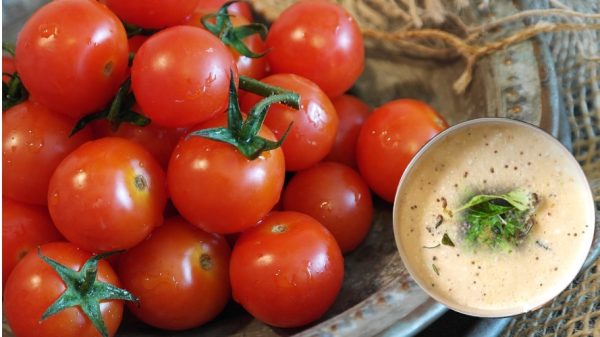
A very simple recipe for hot summer to keep your system not heavy – Tomato Tambuli. You can mix this with rice or have as a side dish with rice mix.
What is Tambuli? Tambuli is a dish prepared using cumin, pepper or green chilis with buttermilk or curd. To tambuli instead of tomato one can use green leaves, fenugreek seeds, ginger, onion, amla etc. Tambuli helps in digestion and keeps body light for hot summer.
Ingredients:
Preparation:
*Since this tambuli has coconut as one of the ingredients, you cannot store it for long time. If you prepare for lunch then any leftover should be refrigerated.
Image credit: Image by -Rita-👩🍳 und 📷 mit ❤ from Pixabay (Free to use under Pixabay content license)
Are you trying to conceive or pregnant? Then you should know -drinking alcohol during pregnancy can harm the developing fetus at any stage, even before a woman knows she is pregnant. Alcohol passes through the placenta and can interfere with normal development, especially of the brain and central nervous system. Drinking alcohol during pregnancy can result in FASD -Fetal Alcohol Spectrum Disorders.
How does drinking alcohol impact fetus?
1. Brain development: Alcohol is a teratogen, meaning it can cause birth defects. It disrupts the development of neurons and the structure of the brain. This can result in lifelong cognitive and behavioral issues, including:
2. Physical growth: Babies exposed to alcohol in the womb may be-
3. Organ development: Can affect the heart, kidneys, bones, and hearing. It also increases risk of miscarriage, stillbirth, and premature birth.
4. Long term effects: Fetal Alcohol Spectrum Disorders (FASDs): A range of lifelong disabilities including:
Is any amount of alcohol safe? NO! There is no known safe amount of alcohol during pregnancy. Even small amounts may pose a risk. The safest choice is no alcohol at all while trying to conceive and, during pregnancy. FAS is 100% preventable—the only sure way to avoid it is to abstain from alcohol during pregnancy. No amount of alcohol is considered safe at any stage of pregnancy.
Staying cool without an air conditioner can be a total lifesaver in summer because not all houses or rooms will have AC. If you do not have AC, then here are some useful tips to keep you cool this summer.
1. Block the Sun:
2. Strategic ventilation:
3. DIY cooling tricks:
4. Adjust your body temperature:
5. Smart cooking:
6. Floor camping:
7. Natural cooling aids:
8. Turn off the heat:
Simple DIY “air conditioner” hacks you can try — super low effort, but they help:
1. Fan and Ice combo – This is a classic hack!
What you need: A fan, A shallow pan or bowl, Ice cubes (or frozen water bottles)
How to: Place the bowl of ice directly in front of the fan. The fan blows air over the ice, sending a chillier breeze toward you. Freeze water in large bottles like 2-liter soda bottles -they melt slower than loose ice.
2. Frozen towel trick
What you need: A clean towel, Water, Freezer
How to: Dampen the towel (do not soak). Fold and place it in the freezer for 20–30 minutes. Drape it over your shoulders, around your neck, or even hang it in front of a fan for a cooling curtain.
3. Wet sheet on the floor
What you need: Water, cotton bed sheets and a fan
How to: If you are sleeping on a cot this works well. And best is on cement flooring. Soak the bed sheets well and throw them on the floor. Run the ceiling fan. Water starts evaporating from the bedsheet creating cooling effect, you will sleep well.
4. Wet Sheet by the window
What you need: A bed sheet, Water, Open window
How to: Soak the sheet and wring it out a little so it is damp, not dripping. Hang it across an open window. As air passes through, it evaporates moisture and cools the room naturally.
Image credit: Image by Raad from Pixabay (Free to use under Pixabay content license)
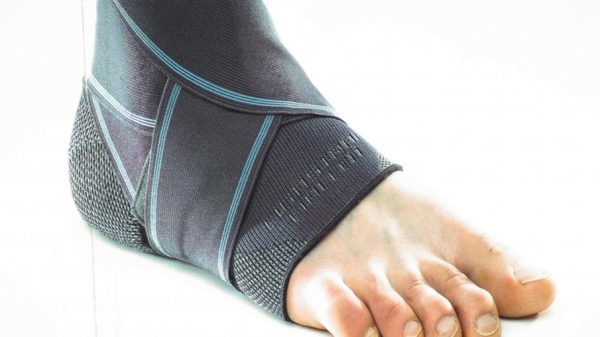
Plantar fasciitis is inflammation of the plantar fascia, a thick band of tissue that runs along the bottom of your foot, connecting your heel bone to your toes. This condition causes constant pain, and people will be discouraged from walking. It is especially painful when taking your first steps in the morning or after extended periods of rest.
Common causes:
Typical symptoms:
Treatment options:
Simple and effective stretches for plantar fasciitis that you can perform 2-3 times a day.
1. Towel Stretch: Loosens the plantar fascia before walking.
2. Calf stretch against the wall: Loosens tight calf muscles that pull on the plantar fascia.
3. Plantar fasciae stretch (seated stretch): Directly stretches the plantar fascia.
4. Rolling stretch (Massage and stretch combined): Breaks up tension along the arch.
5. Toe curls with a towel: Strengthens the small muscles that support your arch.
6.Toe Flex Stretch – To stretch plantar fascia -Perform this 30 second per foot
Remember consistency is key to getting rid of that pain. Practice these exercises 2-3 times a day and you will start feeling better. If the pain persists then talk to your doctor and get a reference to see a specialist.
References:
Image credit: https://pxhere.com/en/photo/847900 (CC0 Public Domain)
Linoleic acid — an omega-6 fatty acid found abundantly in seed oils like soybean, sunflower, corn, and safflower oil — has stirred debate in the health world. Some claim it may increase the risk of breast cancer, but what does science say?
What we know so far:
Linoleic acid is essential — our bodies cannot produce it, so we need it from food. However, the balance between omega-6 and omega-3 fatty acids is key. Most modern diets are disproportionately high in omega-6s due to widespread use of refined seed oils. This leads to a sky-high omega-6 to omega-3 ratio, which some researchers believe may drive chronic inflammation — a risk factor for many diseases, including cancer.
Some lab and animal studies suggest that excessive linoleic acid might fuel inflammation or stimulate the growth of certain breast cancer cells. But when it comes to human studies, the evidence is far less clear.
What do studies say?
The real issue: inflammation and imbalance: The main concern is not linoleic acid alone, but rather chronic low-grade inflammation that may result from:
So, what is the real risk? The problem is not linoleic acid itself — it is the imbalance and overconsumption in a highly processed food environment. When we flood our systems with refined seed oils and skimp on whole plant-based sources of omega-3s, we may tip the scales toward inflammation.
Here is how to bring the balance back:
There is no solid proof that linoleic acid from seed oils causes breast cancer. But context is everything. Instead of demonizing one fatty acid, let us focus on building diets that lower inflammation, nourish our cells, and support long-term health — especially for women. Let us keep pushing for food systems that prioritize quality, transparency, and health — not just convenience.
References:
Image credit: Image by Bruno from Pixabay (Free to use under Pixabay content license)
To promote personal and planet health Govt of India has launched a powerful campaign called Harit Yoga Campaign. This campaign is a recent initiative launched by the Indian government that integrates traditional yoga practices with environmental sustainability efforts. Spearheaded by the Ministry of AYUSH, Harit Yoga campaign aims to promote both personal well-being and planetary health.
What is Harit Yoga Campaign?
Unveiled in April 2025 as part of the lead-up to the 11th International Day of Yoga (IDY), the Harit Yoga campaign combines yoga sessions with eco-friendly activities such as tree planting and clean-up drives. The term “Harit” means “green” in Sanskrit, reflecting the campaign’s focus on environmental consciousness. At its launch event, the Union Minister of State for AYUSH, Prataprao Jadhav, and other dignitaries planted medicinal plants, symbolizing the initiative’s commitment to both health and the environment.
Ek Ped Maa Ke Naam – Prataprao Jadhav also mentioned about sustainability and environmental aspects of Yoga and aligned Harit Yoga with PM Narendra Modi’s vision of ‘Ek Ped Maa Ke Naam’. “This initiative encourages individuals to plant trees as a symbolic act of nurturing both personal and planetary health”
Significance of the Harit Yoga Campaign
Integration with International Yoga Day
As one of the ten signature events for the 11th International Day of Yoga, Harit Yoga exemplifies the evolving nature of yoga celebrations in India. By incorporating environmental activities, the campaign adds a new dimension to traditional yoga events, emphasizing the role of yoga in fostering a sustainable and healthy planet.
The Harit Yoga campaign represents a significant step in India’s efforts to promote a lifestyle that harmonizes personal health with environmental responsibility. It serves as a model for integrating traditional practices with modern sustainability goals, reinforcing India’s position as a leader in holistic well-being initiatives.
References:
https://pib.gov.in/PressReleasePage.aspx?PRID=2123600
Image credit: https://pxhere.com/en/photo/1583203 CC0 Public Domain Free for personal and commercial use (uploaded in Pxhere on 03/08/2019)