








 Fusion
Seasonal Eating in Indian Tradition
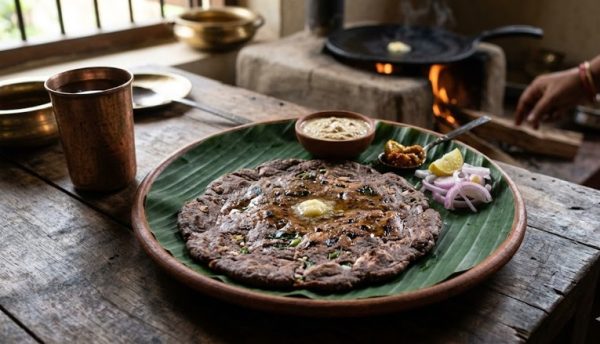
India’s regional cuisines naturally reflect seasonal cycles. In Indian tradition, seasonal eating is guided by the principle of Ritucharya, which recommends specific dietary adjustments to align the body with the six distinct seasons of the Vedic calendar. During the scorching summer (Grishma), the focus shifts to cooling, hydrating foods like melons, buttermilk, and cooling herbs to pacify internal heat. Conversely, the winter months (Hemant) encourage the consumption of calorie-dense, warming ingredients like sesame, jaggery, and ghee to maintain body temperature and immunity. By consuming local produce at its peak ripeness, this ancient system ensures that the gut microbiome stays balanced and synchronized with the natural environment.
Summer:
Summer traditional diets focus on:
- Buttermilk, coconut, and fermented foods
- Cooling grains like barley and millet
- Fresh fruits such as mango and watermelon
These foods prevent dehydration and heat stress.
Monsoon:
Monsoon meals often include:
- Fermented foods
- Spices like turmeric, ginger, and black pepper
- Easily digestible grains
This helps prevent infections and supports gut health.
Winter:
Winter diets are rich in:
- Millets, sesame, and nuts
- Jaggery and warming spices
- Slow-cooked stews and porridge
These provide energy and warmth during colder months.
Featured Image Credit: AI-generated image created with Google Gemini, March 12, 2026
Author: Sumana Rao | Posted on: March 13, 2026
« Previous Article
Next Article »
« Ancient Indian Grains Are Climate Resilient Crops Bringing Ancient Grains to Modern Kitchens »
« Ancient Indian Grains Are Climate Resilient Crops Bringing Ancient Grains to Modern Kitchens »












Write a comment