Influence of Pets on Humans Health
People are owning pets like never before. During Covid-19 pandemic, those who stay at home, work from home

People are owning pets like never before. During Covid-19 pandemic, those who stay at home, work from home

Your dog may make you less likely to get heart disease.
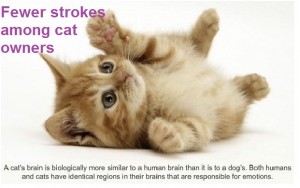
Researchers are not sure why. Cat owners have fewer strokes than people who do not own cats.

Pets, especially dogs, can help you connect with other people.

When you have a pet around you, it feels like you have a greater control of your life.

Babies raised in families that have pets may be less likely to get allergies and asthma, some studies show.

Kids tend to relate better to their classmates who have autism when pets are in the classroom a research finding says.

A Mexican hairless dog called a Xolo is known for generating intense body heat
Voiceover Credits: AI-generated narration created by Canva AI
 © 2026 Copyright. All Rights reserved.