






 Fusion
Benefits of Satiating Foods: Why They Help You Feel Full Longer
Satiating foods are foods that help you feel full, satisfied, and less hungry for a longer period after eating. The term comes from satiety, which is the feeling of fullness that reduces the desire to eat between meals.
Many of the most healthy and satiated foods share a few characteristics- they are rich in protein, fiber, water, or a combination of these, which helps keep you full while providing essential nutrients.
How does satiating foods help?
- Reduce hunger: Satiating foods slow digestion and help keep your stomach full longer, reducing frequent hunger and cravings.
- Support healthy weight management: Because they help control appetite, satiating foods may make it easier to avoid overeating and excessive snacking.
- Provide steady energy: Foods rich in protein, fiber, and healthy fats are digested more slowly, helping maintain more stable blood sugar levels and sustained energy.
- Improve nutrient intake: Many satiating foods are nutrient-dense, meaning they provide vitamins, minerals, antioxidants, and other beneficial compounds along with calories.
- Help control cravings: Feeling satisfied after meals can reduce the urge to reach for highly processed snacks or sugary foods.
- Supports digestive health: Many filling foods, especially fruits, vegetables, legumes, and whole grains, are rich in fiber. Fiber supports healthy digestion and promotes regular bowel movements.
What are some healthy and satiating foods?
- Lentils-
- High in both protein and fiber.
- Slow digestion helps maintain steady energy levels.
- Rich in iron, folate, potassium, and antioxidants.
2. Beans- Black beans, Kidney beans, and other beans
- Excellent combination of plant protein and fiber.
- Help support blood sugar control.
- Associated with heart and gut health.
3. Oats- Oatmeal
- Contain beta-glucan, a soluble fiber that slows stomach emptying.
- It can help in lowering cholesterol and provides long-lasting energy.
4. Potatoes-Potato
- One of the highest scoring foods on satiety studies.
- Rich in potassium and vitamin C.
- Particularly filling when boiled or baked rather than fried.
5. Curd-
- High protein content.
- Supports muscle maintenance and gut health.
- It can be combined with fruit and seeds for a balanced meal.
6. Chia seeds-
- Chia seeds absorb water and expand.
- Rich in fiber, omega-3 fats, and minerals.
- It is easy to add smoothies, curd, and oatmeal.
7. Basil seeds (Sabja Seeds)-
- Forms gel when soaked, increasing volume.
- High in fiber.
- Helpful in refreshing drinks and puddings.
8. Nuts – Almond, Walnut, and Pistachio
- Provide healthy fats, protein, and fiber.
- Help reduce hunger between meals.
9. Vegetables – Cabbage, cauliflower, carrot, spinach
- High water and fiber content.
- Low calorie density.
- Rich in vitamins, minerals, and phytochemicals.
- Fruits- Apple, orange, berries, banana
- Fiber and water increase satiety.
- Naturally sweet and nutrient rich.
- Tofu and soy foods-
- Excellent plant protein source.
- Particularly useful for vegetarians and vegans.
- It contains minerals such as calcium and iron.
The most satiating vegetarian meal that we can consider in our daily diet:
- Protein: lentils – moong, beans, tofu, curd,
- Fiber: vegetables, fruits, whole grains, millets
- Healthy fats: nuts, seeds
- Water rich foods: soups, fruits, steamed vegetables
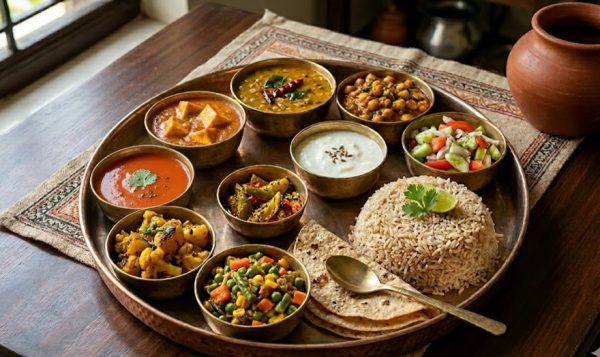
One example that will help you understand how a satiated meal looks like – Spinach dal, brown rice, and mixed vegetables curry with cucumber salad and on side a spoonful of soaked basil seeds in lemon water. This combination provides protein, fiber, healthy carbohydrates, and fluids—four factors that strongly promote fullness and steady energy.
In short, satiating foods helps control hunger, support healthy eating habits, and provide lasting energy by promoting a stronger sense of fullness after meals.
Author: Sumana Rao | Posted on: June 8, 2026
« Previous Article
Next Article »
« Why You Should Include Traditional Ambali in Your Daily Diet? Ways To Enjoy Daily Cooking »
« Why You Should Include Traditional Ambali in Your Daily Diet? Ways To Enjoy Daily Cooking »











Write a comment