Don't worry about the people in your past; There's a reason they didn't make it to your future.
Positive impacts of Covid-19 on environment
You can say Earth is under maintenance! Yes, no doubt Covid-19 has hit us all hard by taking lives, jobs and mental health. But if anything, this pandemic has also shown us the difference that communities can make when they look out for each other. During present lock down, apart from Covid-19 updates, there are many positive and hopeful news are coming from different parts of the world. One of the best news in recent years when it comes to environment is, reduction in pollution across the world. While people are at home, no traffic and less traffic has reduced the air pollution as well as water pollution levels much.
Italy witnessed clear water in its channels and there is no mugging the water. Birds and dolphins returning to clear water. Dubai is seeing stingrays returning to Marina waters!
Due to India’s a strict nationwide lockdown, Covid-19 spread is contained effectively in most states. The strict lockdown has resulted in reduction in air pollution in Delhi, Punjab, Haryana and other parts of the country. Lockdown includes shutting down factories, worshipping places, markets, construction projects and most public transportation. The impact is clearly visible in famous river Ganga and Himalaya mountain range. Ganga which is considered as sacred river is flowing with clear water without tourist visitation. After 30 years, the snow-covered range of Dhauladhar – white range of Himalayas’ is visible from 300 km distance!
Aclima mobile sensor network that measures hyperlocal air pollutants in Bay Area of California, reported a trend in decline in CO2. Similarly, early in the March, the nitrogen dioxide emitted from motor traffic and power plants has fallen heavily in many parts of the world. Apart from India, cities in European countries, USA and China have seen fall in nitrogen dioxide concentration.
Black carbon (BC), sooty black particles emitted by diesel engines, heavy oil and coal fired power plants can cause respiratory cardiovascular disease, birth defects and cancer. These sooty particles in the environment has reduced from past one month in Bay area as well as in other major cities in the world.
Overall greenhouse gas emissions have fallen across the continents which is a boon to the environment.
Researchers observed that a decline in nitrogen dioxide impacted ozone positively. Ozone level has increased temporarily. Otherwise, an increase in ozone was happening only during weekend referred as “weekend effect”. Now the weekend effect on ozone one can observe during lock down days.
Working from home has become a possibility for many companies and it has resulted in use of less energy consumption.
Even though farmers are greatly affected by the Covid-19, there are many reports saying people heading back to agriculture to grow their own food as a result of Covid-19 pandemic. Younger generation who moved away from the agriculture are keen to get back to agriculture or showing interest in growing crops in abandoned fields.
Less usage of single – use plastics is noted around major cities and towns in various countries. People are making conscious choices when it comes to health, exercise and diet. Families are giving importance to home cook food, cleanliness and self-hygiene.
Creativity and improvisation suddenly gaining importance! We have found that we can survive without frequent visits to market or shopping center. We understood that we don’t need to contribute to everyday traffic.
We have rediscovered meaning of humanity. We also have newfound real-life heroes – nurses, doctors, first responders, police, many charitable institutions who are serving free food for needy and volunteers who are stepping up to help those who are under distress.
This pandemic has taught us very valuable lessons. Question is-
what happens when the pandemic ends? Will we get back to our old selves by
continuing to disturb and destroy the environment or will we minimize our
actions and protect environment and the future generation.
Due to shortage of facial mask Governments and health officials are asking people to wear cloth face covering in public as precautions to protect against Covid-19.
Until recently, CDC and WHO advised general public that face mask is not necessary for those who do not have symptoms of Covid-19. But the rapid spread of the pandemic has made health official to investigate the matter seriously and are suggesting wearing facemask at least when we must step out of the house in public or if we have cough and cold. It is compulsory for health care workers, patients with COVID-19 or COVID-19 symptoms to wear facemask.
Center for disease control is released a statement
recommending everyone wearing at least a cloth face covering while visiting
grocery or pharmacies. Reason for this is, many who are infected with
coronavirus might not show any symptoms but can still transmit the germ.
The two main points to consider if you are looking for a mask are:
The filtration level in the mask defines the
percentage of microscopic particles and the droplets that are prevented from
passing through. If the filtration level is high, virus cannot make its way
through mask and spreading will be minimized.
A properly fitted mask means less virus particles
enter or exit the mask through the gap or openings on top or sides, bottom of
the mask.
Recommended mask types:
N95 masks: Highly recommended face mask is N95 respirators as they filter 95% of the particles and it well on the face.
Surgical masks: PM 2.5 -Surgical masks are designed for those who live in high air polluted areas to filter the air. These are PM2.5 masks and filtration capacity is 62-65%. Unlike N95, these does not fit and seal the face. In these air is sent upwards to minimize spread of germs.
If you do not have surgical or medical grade mask, then consider making a face mask at home using simple sewing method or there are many YouTube channels showing DIY home face masks.
Cloth face masks: Due to shortage of facial masks, people are wearing cloth face mask. This also helps to reserve the surgical masks to health care workers. If you are considering cloth face masks, then you should keep these important points in mind –
Mask should fit snugly, comfortably against the
side of the face
Should be secure with ties or ear loops
Include multiple layers of fabric
It should allow for breathing without
restriction.
Should be able to wash and machine dried without
damaging or tearing or changing the shape.
Face cloth should not be placed on young
children aged below two years.
You can make cloth face mask using old good tea
shirt, bandana, old cotton towels or scarf
You can also insert filters inside the face
mask.
Good fabric (tightly woven) are ideal for face
mask
Use minimum two layers of fabric for face mask
construction. One-layer fabric is not effective and will not perform well.
Cotton, linen, silk, cotton-polyester blend
fabric is good for face mask
One should feel comfortable with material as
well as it should be breathable
It is very easy to prepare Apple pickle. If you find green apple, get couple of them and prepare the pickle. Apple pickle goes well with Indian breads or rotis. There are many varieties of Indian roti recipes one can venture. One of the popular Indian roti which has slight spice into it is missy roti or besan roti. With slight modification of ingredients, you can make missy roti little more interesting to eat. Add more wheat flour and less besan and try this roti recipe. Serve the roti with little sour-sweet apple pickle and yogurt.
Spicy missy roti recipe:
Ingredients
Wheat flour-
1.5 cup
Gram (Besin) flour- 1/2 cup
Chilli powder – 1.5 tsp
Turmeric – ½ tsp
Asafetida- pinch
Cumin- 1 tsp
Grated ginger- ½ tsp
Cilantro – finely chopped 2 Tbsp
Methi leaves – chopped 2 Tbsp
Salt – as per taste
Cooking oil – 1 Tbsp
Preparation:
Knead a slightly stiff dough by adding all ingredients, cover with wet cloth. Leave it for an hour.
After an hour prepare medium lemon size balls.
Roll the balls to chapathi thickness.
Place a tava on medium heat and bake/roast rotis.
Apply ghee or butter and serve hot rotis with apple pickle and yogurt
Apple pickle recipe:
Ingredients:
Crispy green apples – Two medium sizes
Oil -One Tbsp
Mustard – One tsp
Chilli powder – 1/2 tsp
Asafetida – Pinch
Fenugreek seeds – Few (10-5)
Turmeric -1/2 tsp
Salt -To taste
Method:
Wash and cut the apples to 1/2 to 1 inch pieces
On a frying pan, heat oil and add mustard seeds.
As mustard seeds cracks add fenugreek seeds. Turn off the heat.
As the oil continue to cool down add turmeric,
asafetida and chilli powder.
Add this mix to apple pieces, add salt and mix
well.
Store the pickle in airtight bottle. Remember to
consume this pickle within few days and storing this for a longer time will
spoil the pickle.
This pickle is slightly sweet – sour with tangy
taste. One can have with soft rotis, bread, yogurt rice and as side taste dish.
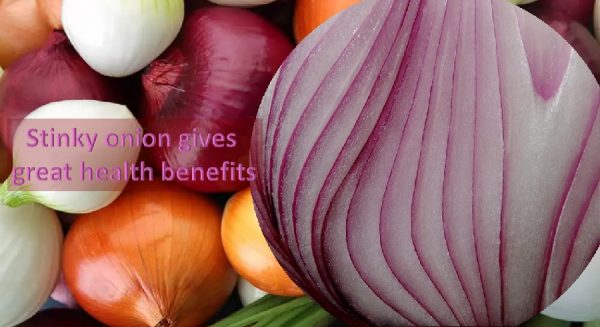
Onion is popular vegetable known for its taste as well as for its strong odor. Contents of onion bulb makes it medicinally useful for simple to complicated conditions. It contains Vitamin C, calcium iron, dietary fiber and no fat. Presence of organosulfur compounds makes onion produce unique pungent odor. It also contains flavonoids called quercetin that acts as an anti-inflammatory drug. Phosphorous content of onion is also high. Onion can be used alone or with other herbs to get its benefit. Apart from using it as an ingredient in cooking, use onion as a medicinal herb for different conditions. It is one of the readily available herbs, that can be used for various health issues. Here are uses and ways to use onion.
For cough:
Smash one medium size onion and a piece of jaggery. Collect the juice and drink to control cough.
Mix onion juice (1 tsp) with 1 tsp honey and consume
For detoxification:Eating onion detoxifies the body and improves digestion
For scabies: Apply turmeric powder paste prepared in onion juice Apply it as needed and it reduces the scabies
Headache: When you have normal headache, rub half cut onion on forehead! Don’t apply near eyes as it causes burning or smell onion at few minutes interval. It also reduces cold.
Hair care:
Do you know? Applying onion juice for hair root reduces hair fall.
Mix henna, lemon juice and little onion juice – prepare a paste and apply on hair to get smooth hair.
To get rid of lice in hair- apply onion juice at night and cover hair with a thin cloth. Wash hair in the morning. Onion smell helps to get rid of the unwanted insect.
For toothache:
keep onion piece in mouth. Mix clove oil and onion juice.
Dip a cotton ball in the mix and place it on tooth that is causing pain.
For stomach problems: like pain, indigestion
Burn onion and eat with ghee.
Burn onion and eat with jaggery
Eat one small onion with yogurt rice
For loose motion and vomiting problem:
For one Tsp onion juice, add ½ Tsp honey and drink 2-3 times a day.
Mix equal amount of lemon and onion juice and drink ( start with 1 tsp each and increase to 2 or 3 tsp)
For piles:
Consuming onion juice with yogurt and honey reduces piles.
For ¼ cup onion juice, add 1 Tsp rock sugar and drink 2 to 3 times a day. It also reduces pile problem.
For sleep:
Have one small onion with supper/dinner. Onion helps to reduce heaviness and supports digestion and good sleep
Place thin slice of onion under feet and wear a think sock. This is an ancient remedy for insomnia as well as for flu (Onion properties stimulates body meridians and reaches different organs causing detoxification). Get rid of the used onion slice once you wake up in the morning.
For blood sugar: Onion is good for diabetes patients. Presence of organosulfur helps to reduce sugar level. Eating onion helps to purify the blood. Like garlic, onion helps to reduce the triglyceride, bad cholesterol and promotes heart health.
Insect bites: If you get stung by bee or ants, apply onion juice or rub cut onion where you are experiencing pain. It not only reduces pain, reduces soreness too!
If you eat onion at night, make sure you brush the teeth to avoid the bad odor that results in bad breath. Onion bulbs are good for overall health. If you are not a fan of onion, then probably this is time to start appreciating the goodness of this wonderful herb!
Ayurveda is one of the old, well respected and traditional method of Indian medicinal system. Various philosophers, scholars and physicians have used Ayurveda medicine for benefit of health. In recent years the effort to promote wellbeing of humans and the interests of people towards herbs and home remedies making Ayurveda one of the most demanding and mainstream medicinal system. Ayurveda offers several options that one can include to in daily routine to promote health and wellbeing. Ayurveda treatments not only focuses on the body, also focuses on curing mind. Yoga and Ayurveda go hand in hand when it comes to healing the mind and body.
Ayurveda helps to maintain a strong and healthy body through yoga, healthy food and good lifestyle practices. Ayurveda defines body into three types –Vata, Pitta or Kapha dosha types that uses metabolic energy way. Vata spends energy, Pitta manages energy and Kapha stores it. These three doshas effect our psychology and physical constitution. The three doshas are also attributed to three seasons –
Summer is pitta season
Fall is vata season
Winter is kapha season
One can practice incorporate Ayurveda daily routine in all seasons. If you know your body type, you can incorporate or modify your lifestyle like adjusting diet, exercise, wearing proper clothing – according to the season to keep yourself fit. Some of the most well-known Ayurvedic health routines you must incorporate in your daily routine are explained here. Along with practicing the proper diet on seasons, one must also consider and incorporate practicing daily routines in all seasons as described in Ayurveda.
Rise early morning & oil pulling -Ayurveda routine
Rise early and morning routine :Ayurveda recommends getting up early. Ideally before 6 am. This reduces heaviness in body and makes your day energetic. After getting up, it is important to remove the toxins that is built up in the body. So, one must urinate and evacuate bowls. Having a bowel movement every morning is important to eliminate previous days waste and the toxins. Retaining the waste hampers immunity and leaving the body fatigued, irritable and drowsy. Bowel movement helps to feel relaxed, energetic and healthy. At night our body focuses on cooling and calming. As the Sun rises our body moves into absorption cycle. Cleaning bowls helps body to prepare for the rest of the day.
If your bowel movement is not the way it should be, then
promote bowel health with Ayurvedic herbs like Triphala.
Oil pulling: An ancient Ayurvedic daily ritual is oil pulling. In past two decades oil pulling has gained popularity because of its benefits. Oil pulling is gargling and swishing with thil or sesame oil every morning before brushing the teeth, helps to strengthen the teeth and gums. In addition, it increases the taste buds sense, removes plaque and rebuilds enamel. Sesame oil is highly recommended for oil pulling because of its rejuvenating, antibacterial and nourishing property. Oil pulling can be done using olive, coconut oil too.
If you are planning on oil pulling – swish the oil gently.
Do not swallow the oil and spit the oil and rinse the mouth with warm water.
Gum massage: Massaging gum using sesame oil reduces bacteria that are responsible for tooth decay. In other words, using sesame oil reduces bacteria’s ability to adhere to gum and teeth surface. Massaging gum improves blood circulation and helps immune system stay fit. To massage gum, use your index finger and massage in circular motion – gently for couple of minutes. Rinse mouth using warm water.
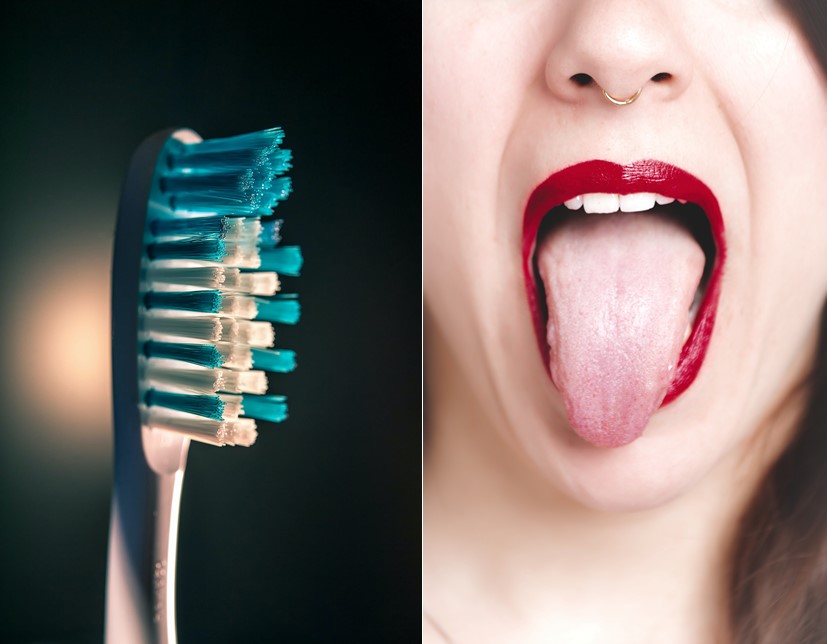
Tongue scraping: White material that builds up overnight on your tongue is nothing but the digestive impurities. You will see the white material when you are very sick and cannot taste the food. It is a way of system getting rid of toxins. To clear the toxin on tongue, Ayurveda suggests tongue scrapingor Jihwa prakashalana. Not scraping of cleaning the tongue can compromise the immune system as well as digestion. Leaving the white material without cleaning it will lead to absorption of toxins by body.
After brushing the teeth use a tongue cleaner and gently scrape the tongue from back to front. Check your tongue, if there is still white material is sitting repeat scraping gently. After cleaning the tongue, wash the tongue scraper with hot water.
Tooth brushing: Ayurveda suggests using the toothpaste based on the season. Cold weather not only damages skin, it damages lips and cause toothache or sensitivity in teeth. For this reason, Ayurveda suggests using toothpastes that have ingredients suitable for the teeth in that season.
For example, during winter brushing toothpaste made from
herbs that have heating effect are recommended – toothpaste with cinnamon,
bilva, clove and haritaki (Terminalia chebula) is good for the oral health. It
improves blood circulation in gums and tongue. During summer, use toothpaste
that have any of these ingredients – mint, peppermint, sage and or coconut oil.
During spring – toothpastes with Neem, pomegranate, triphala are helpful.
Most important is to brush and clean the tongue every morning as part of your day’s routine.