
All posts by Sumana Rao

Don't worry about the people in your past; There's a reason they didn't make it to your future.
Precautions for chefs & food handlers during covid-19

COVID-19 Instructions for chefs & Food handlers by FSSAI

Lockdown due to COVID-19 pandemic has impacted restaurant, catering and hotel businesses all over the world. Governments are monitoring the number of coronavirus cases in their respective countries, also giving permission to open certain businesses with extreme caution. This is allowing restaurants to get back to businesses by opening the restaurants and pubs for food delivery to houses as well as curbside pickup orders. To continue containing the disease, Food Safety and Security Authority of India (FSSAI) has come up with an advisory for  food handlers and chefs. The advisory released recently, touches upon aspects like pre-preparation, preparation, procurement of vegetables and other ingredients, handling money and many more. Do’s and Don’ts clearly explains how the food handlers and chefs to take care of not only customers health as well as personal health too -Author

With the impact of COVID-19 becoming the key challenge for every Indian citizen, the food regulation body Food Safety and Security Authority of India (FSSAI) has recently come up with an advisory for the chefs and food handlers.

Do’s

Essentials for the personal hygiene

1. Take bath daily before reporting to work.

2. Wear clean and protective clothing, clean aprons, hand gloves, and head wear appropriately

3. Keep hands clean and nails trimmed. Wash hands with soap and clean (potable) water

3.1 before starting work;

3.2 after handling chemicals;

3.3 after handling incompatible food products (for example, raw versus cooked or ready- to eat) or contaminated materials;

3.4 after breaks; after using toilet facilities.

3.5 after coughing or sneezing or blowing their nose; and

3.6 after using telephone/cell phones, handling currency

3.7 after smoking in designated areas etc.

Precautions

1. Cover wounds/ burns etc. with waterproof bandages.

2. Keep food premises clean, well ventilated, well ventilated and no water stagnation is allowed.

3. Carefully inspect fruits, vegetables etc. for freshness and quality before purchasing.

4. Procure packaged products from FSSAI licensed/registered vendors only.

5. Clean cooking surface before starting work.

6. Maintain temperature for selling chilled beverage & cold dessert, appropriate temperature shall be maintained.

7. Use clean (potable) water for washing, food preparation, drinking, cleaning of utensils, etc. In case storage is required then it should be stored in clean containers.

8. Segregate raw/cooked and vegetarian/non-vegetarian foods at all times to avoid cross-contamination.

9. Cook and reheat food at right temperature for adequate time.

10. Use equipment, containers, utensils, chopping boards, knives, cutlery, and serving spoons, of food-grade quality. Sanitize the equipment’s before use.

11. Provide facility for hand wash to customers away from food preparation and service area.

12. Dispose waste regularly. Keep bins covered and clean them regularly.

Don’ts

1. Handle food when sick.

2. Wear jewelry such as earring, bangles, rings, etc. while handling food, as they carry germs which may contaminate food.

3. Prepare or sell food in an area prone to pollution such as effluent water, heavy smoke, hazardous waste and more.

4. Store hazardous substances such as fuel, chemicals, etc. near the food preparation area.

5. Use loose oil or spices.

6. Keep food at room temperature for more than 4 hours. Do not resell leftover food the next day. It shall be discarded the same day.

For more on FSSAI Corona chef visit: https://www.fssai.gov.in/


Author: Sumana Rao | Posted on: October 5, 2020
« »
« »

Recommended for you

Ways to keep lungs capacity

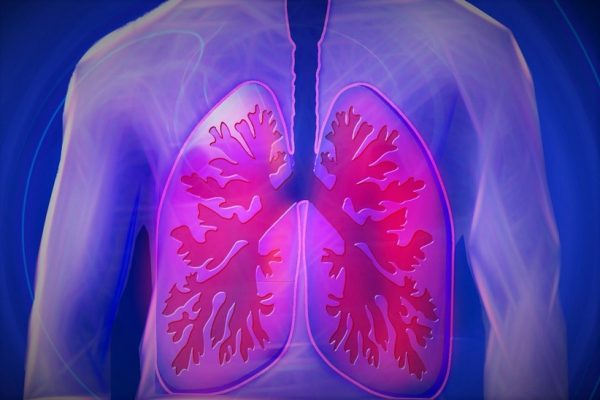
Twelves ways to help your lungs to retain its breathing capacity

More and more people are testing positive for Covid-19 and many are getting symptoms too! Are you worried about Coronavirus and lung infection? There are different ways to open air passage and improve lungs breathing capacity. These simple methods will help you to keep lungs healthy and active.

  1. Steam inhaling – Use plain water or mix few drops of eucalyptus oil in hot water. Inhale steam 10 minutes/ twice a day. Eucalyptus oil is a good source to reduce the mucus lining in the lungs. It helps to break up the congestion.
  2. Drink hot water. Hot water helps to clear congestion by moving mucus. Hot coffee, hot tea, mint tea or warm mint and lemon water also are remedies to reduce mucus in lungs.
  3. Drink hot turmeric water or boil a glass of milk with turmeric (bring it to half the quantity by boiling) and drink before going to bed.
  4. Fry few garlic cloves and eat. Or eat raw onion with jaggery – to remove mucous. Both these pungent foods help to reduce the infection.
  5. Ginger is anti-inflammatory and helps to reduce the mucous. Consume grated ginger (1 tsp) with little honey and pepper. Or eat jaggery and ginger to get rid of mucous. You can boil ginger and drink ginger tea with honey in it.
  6. Practice gargling with warm saltwater every day to reduce throat infection and to get rid of infection.
  7. Vitamin C helps to reduce cold- Either consume citrus fruits or drink citrus juice to keep lungs active.
  8. Inhale camphor (also known as panchakarpura). Powder camphor and place it in hand kerchief. Inhale camphor odor 2-3 times a day to keep your lungs passages open.  
  9. Use humidifier while going to bed. Humidifier keeps your nasal passage wet and helps lungs to breath easily.
  10. Practice pranayama, deep breathing technique everyday – twice a day
  11. Practice yoga postures that improve lungs performance. (like bridge pose, cat & cow pose, Bhujangasana, Trikonasana, Camel pose, hero pose)
  12. Go for half an hour walk in fresh air. Open house window and let the fresh air come in.

It does not matter if you are at home during this outbreak! Try to be active, exercise everyday and continue breathing with help of good habits.

https://www.needpix.com/photo/download/452124/upper-body-lung-copd-disease-doctor-findings-medical-health-check-bless-you (Free for commercial use)


Author: Sumana Rao | Posted on:
« »
« »

Recommended for you

Plasma Donar For Covid-19 Patients

World Is In Need Of Covid-19 Survivors Who Can Donate Plasma

Hospitals around the world are seeking for plasma donors. Plasma from a fully recovered COVID-19 patient may able to save patients who currently tested positive and under treatment for Covid-19. By donating plasma one can save lives.

After infection Plasma from blood will contain virus antibodies. Antibodies produced when we are sick will help immune system to fight microbes like COVID-19. Thus, the donating plasma may help other patients to fight off the disease.

Convalescent plasma:

The liquid part of the blood that is collected from the novel Covid-19 disease from recovered patients is Convalescent plasma. It is caused by the SARS-COV-2. Patients develop antibodies in the blood against the virus.

Antibodies are proteins that help to fight foreign invaders like virus that cause infection. Convalescent plasma is being investigated for treatment of COVID-19 because so far there is no approved treatment for the disease. However, studies suggest plasma might help some patients to recover from Covid-19 infection.

Understanding antibodies and criticality of plasma donation:

After our body exposes to an infectious agent, immune system recognizes specific components called antigens of the pathogen and recognizes an outside invader. These antigens are targeted by our immune system and responds by making antibodies against those antigens. When after a viral infection IgM and IgA antibodies levels rise in the first 3-7 days following infections. This will gradually decline while the level of IgG increases after 12-17 days and remains for a long period of time. Levels of antibodies produced in testing and recording exposure and potential immunity. This is referred to as serological tests that helps to understand the antibodies made by human immune system.

Quantification of IgG, IgM and IgA helps to understand the antibody levels in a patient. The threshold for IgG antibody is titer of >1:320 (FDA recommendation). This level is used for determining if the convalescent plasma should be used in patient or not.

Who is eligible to donate plasma?

People who are totally, fully recovered from Coronavirus disease -COVID-19 infection for at least two weeks are eligible to donate their plasma. These people are encouraged by Health Institutes to donate plasma that might save lives of newly Covid-19 infected patients. Covid-19 convalescent plasma must be collected from individuals who are recovered from disease and must be eligible to donate blood. Because factors like weight, blood type and existing other health conditions are also considered while donating blood.

Apart from recovery, these donors must have had a prior diagnosis of Covid-19 documented by a laboratory test and meet donor criteria. Those who are willing to donate blood plasma must have complete resolution of the symptoms for at least 2 weeks -14 days prior to donation. According to CDC, a negative lab test for active Covid-19 disease is not necessary to qualify for blood donation. According to National COVID-19 Convalescent Plasma Project, “in majority of convalescent patients, high titers of SARS-CoV-2 IgG antibodies are found if units of plasma are collected ≥14 days after resolution of symptoms. IgG antibody levels should be measured in donors who have become SARS-CoV-2 negative and have been asymptomatic for at least 14 days to assure adequate titers of IgG antibody in the donated plasma”

If you were a COVID-19 patient and your doctor has confirmed that you have fully recovered from the disease and no longer contagious, then you might be eligible to donate plasma. Contact your local hospital for further information how you can save lives of COVID-19 patients by donating plasma. World needs survivors like you!

References:


Author: Sumana Rao | Posted on:
« »
« »

Recommended for you

Antioxidants and ORAC value of foods

Understanding Antioxidants And ORAC Value of Foods

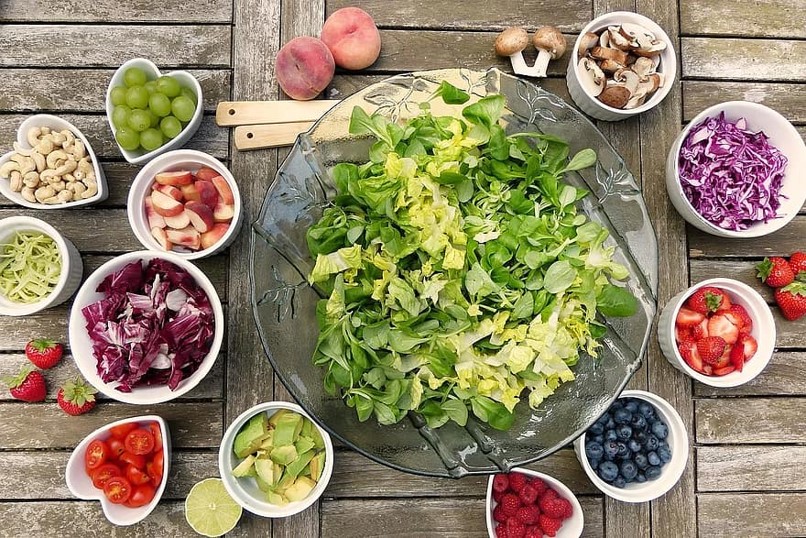
We might think that several diseases or illness that we experience is due to aging. If we keep our diet under control by consuming nutrient rich foods and stay active, we can prevent age related diseases.

For our physiological and mental wellbeing, we need plant foods. Many people still don’t understand the value of consuming veggies and fruits and why we must include them in everyday diet. Antioxidants in fruits and vegetables include Polyphenols, phytochemicals, phytonutrients etc. are beneficial for our health by promoting ORAC value.

The Oxygen Radical Absorbance Capacity or ORAC value is an evaluation method developed by National Institute of Aging and National Institute of Health to measure the antioxidant capacity of various foods. Foods with higher ORAC value means higher the antioxidant capacity and the food is effective in neutralizing free radicals that cause oxidative stress which is harmful for our body.

References:

https://blog.designsforhealth.com/

https://www.superfoodly.com/

https://www.ars.usda.gov/

https://www.nutrition-and-you.com/

Image credit: Image by Luisella Planeta Leoni from Pixabay (Free for commercial use)

Prevention of Free radicals: Read more

Role of antioxidants on free radicals

How much ORAC unit per day: Read more

ORAC value of foods

Foods that contain high ORAC units per 100g: Read more

Foods supply antioxidants and ORAC

Supplements rich with antioxidants: Read more

Supplements rich in antioxidants

Include spices & condiments in your diet: Read more

ORAC rich spices and condiments

Author: Sumana Rao | Posted on:
« »
« »

Recommended for you

Role of antioxidants on free radicals

Prevention of Free Radicals

Many of our age-related illness are due to our unhealthy habits, eating junk food and leading sedentary lifestyle. What happens to body when it is not properly taken care? Answer is simple- we fall sick. How sickness happens? When our immune system becomes week, it results in infections and diseases.

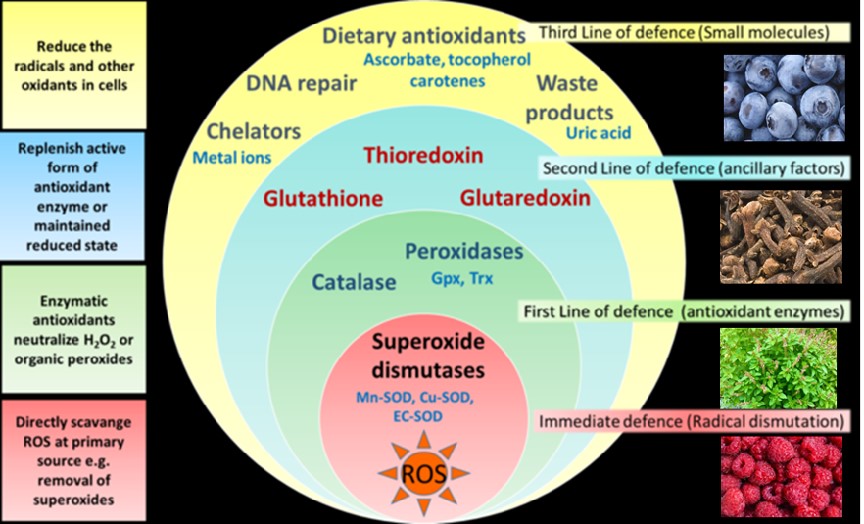
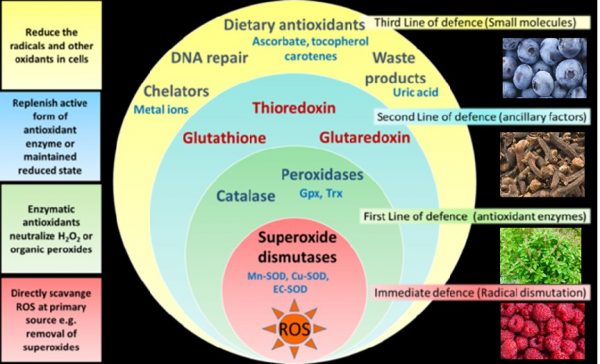
Free radicals are unstable molecules produced by normal metabolic process that can take electronic atoms from nearby sources and damage cells. This will lead to weakening of system and results in various diseases. Intake of oxidant rich food helps to prevent free radical damage and slows down oxidative process in cells.

Antioxidant foods will help to maintain the ORAC value of the body. Higher the ORAC of the food means better will be oxygen carrying capacity of RBC. It means our lungs works better. This will act on free radicals and prevents them from destroying the tissues and cells. What it means is, our immune system will be healthy to fight against diseases and prevents infections rightly.

ORAC build up helps to prevent neuro- degenerative disorders while aging, prevents diabetes, chronic conditions, prevents tumor development and cancer and infections. Antioxidant like Astaxanthin helps in preventing age related conditions and slows down the process.

Image credit & attribution:

https://commons.wikimedia.org/wiki/File:Antioxidant_defence_stratification.png

Aditya Arya / CC BY-SA (https://creativecommons.org/licenses/by-sa/4.0)


Author: Sumana Rao | Posted on:
« »
« »

Recommended for you

ORAC value of foods

How much ORAC unit per day

How much ORAC unit per day – what is the amount of antioxidants we must consume to get daily dose of ORAC units per day?

The advantage of knowing ORAC value of foods is that, it measures the antioxidant activity of foods rather than the levels of specific nutrients like vitamin D, B or E.

Everyday consumption of antioxidant rich foods helps in maintaining the ORAC units in the body. How much ORAC unit per day we need to keep healthy and fit?

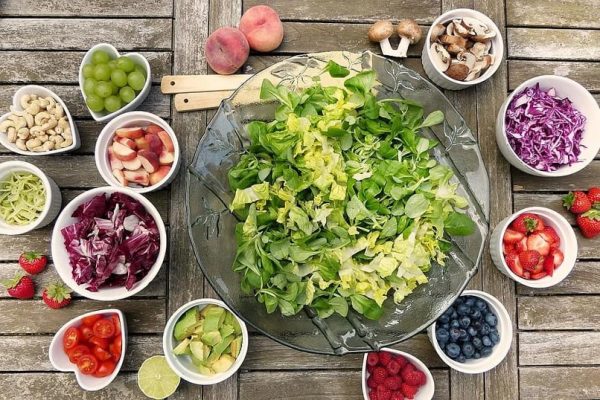
Apart from exercising, we must consume healthy foods that are rich in nutrients. As we know plants are major source of antioxidants. Consuming 3000-5000 ORAC units of antioxidants every day will help the body to boost its immune system. Any excess of ORAC units that we consume will excrete through kidneys.  Remember FDA’s recommendation Five a day of vegetables and fruits serving helps the body. It means to get 3000-5000 units of ORAC value we need help of that much amount of produces to be consumed.

Image credit: Image credit: https://www.pikist.com/free-photo-smfup (Free for commercial use)


Author: Sumana Rao | Posted on:
« »
« »

Recommended for you

Foods supply antioxidants and ORAC

Foods that contain high ORAC units per 100g

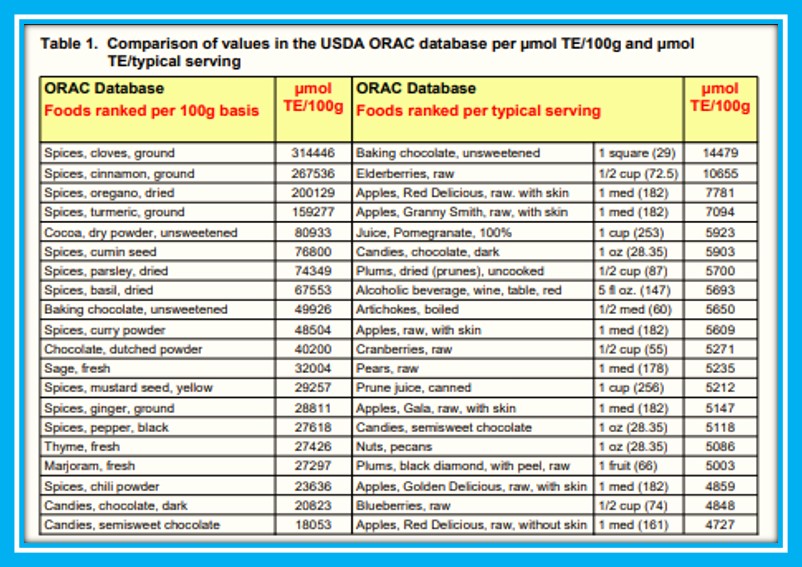
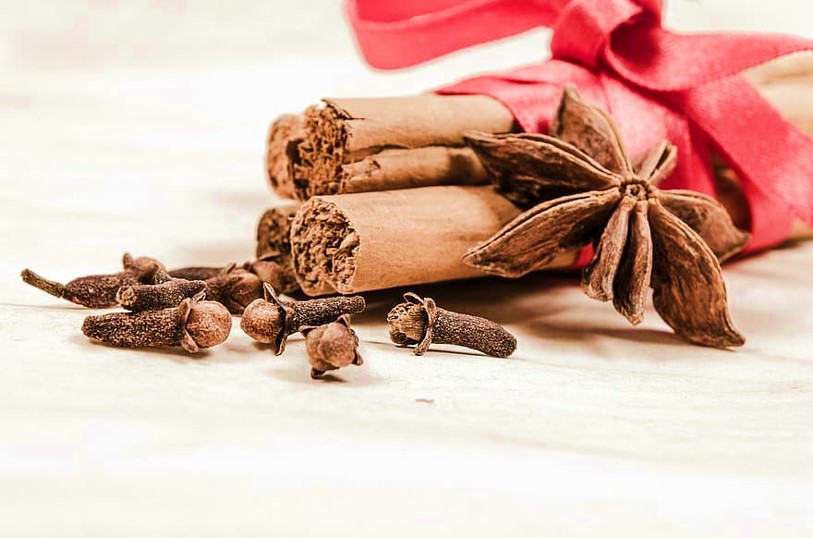
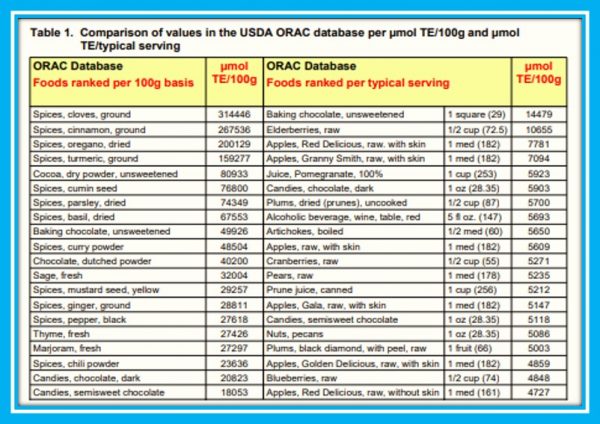
ORAC values are of several foods are studied using scientific techniques. Based on these studies ORAC values of several foods including herbs, spices and condiments as well as cereals are determined. 

  • Spices, cloves, ground 314446
  • Sumac, bran, raw 312400
  • Spices, cinnamon, ground 267536
  • Sorghum, bran, hi-tannin 240000
  • Spices, oregano, dried 200129
  • Spices, turmeric, ground 127068
  • Oregano spice 175295
  • Cinnamon ground 131420
  • Acai berry, freeze-dried 102700
  • Sorghum, bran, black 100800
  • Rose hips 96150
  • Sumac, grain, raw 86800
  • Cocoa, dry powder, unsweetened 80933
  • Triphala powder 706250

In addition to the above mentioned foods, Ashwagandha, Asparagus, Mint, Cilantro seeds, Cumin, Mustard, Centella asiatica, Holy basil (Tulsi), Ginger, Pepper – these foods also contain good amount antioxidants. Our ancient medicine systems like Ayurveda and home remedies use these herbs in plenty. Consuming dishes containing many of these ingredients helps in the absorption of antioxidants.

Image credit : Table of ORAC values published by https://www.ars.usda.gov/


Author: Sumana Rao | Posted on:
« »
« »

Recommended for you

Supplements rich in antioxidants

Supplements rich with antioxidants

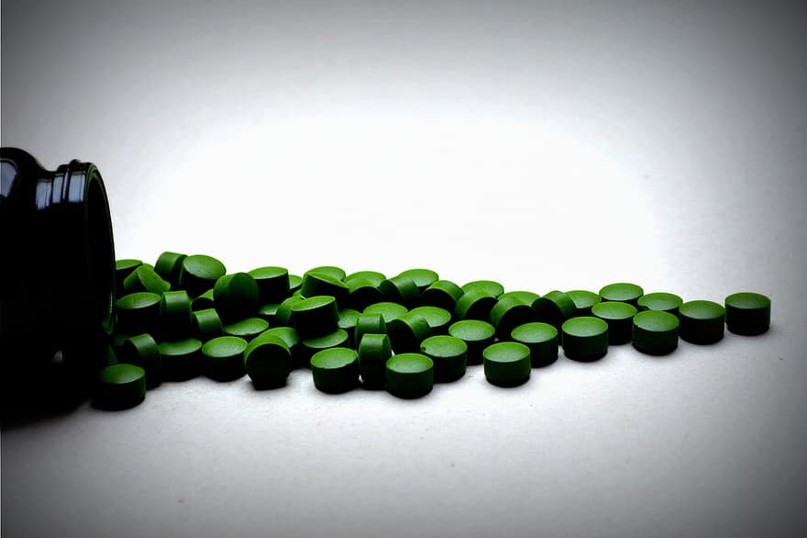
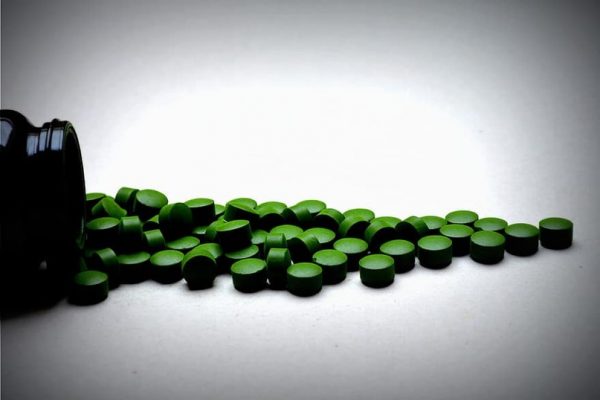
Supplements do supply antioxidants! Even though eating fruits and vegetables provide good amount of antioxidant and needed ORAC units per day, not all foods available in all season. For this reason, some people prefer consuming supplements either in the form of powder, tablets or capsules. Antioxidant rich leaf powders such as Drumstick powder, Brahmi powder, Spirulina powder, Ashwagandha powder etc. are available in the market. One must make sure to get the supplements from reliable sources.

High ORAC vegetables and fruits can be found in condensed supplements form. These supplements are loaded with antioxidant rich phytochemicals to support optimal health. These are wonderful tools to get necessary ORAC units that our body needs. For older adults especially, these supplements are helpful as they have limited mobility and find it hard to get meals ready. Adding powder in smoothies or water helps them to get necessary antioxidants. For youngsters consuming fresh fruits and vegetables are best option to get the needed ORAC units.

Image credit: Chlorella supplements: https://www.pikist.com/free-photo-vpptp (Free for commercial use)


Author: Sumana Rao | Posted on:
« »
« »

Recommended for you