Don't worry about the people in your past; There's a reason they didn't make it to your future.
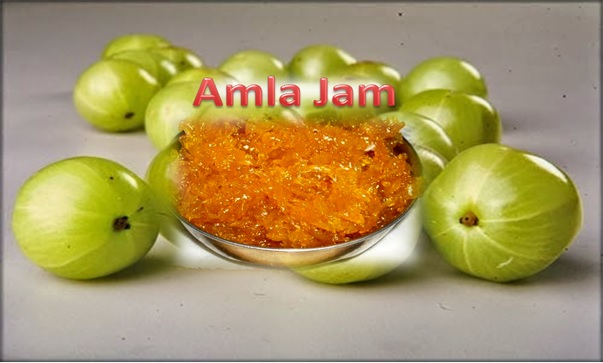
Amla (Indian Gooseberry) Jam
Ingredients :
20 Amla (Nellikai / Gooseberry)
3/4 cup sugar (white or brown)
1 tsp lemon juice
2 cloves
1/4 cinnamon stick
1/4 cup water
Preparation:
Wash amla and pressure cook with enough water for exactly one whistle. Remove from the heat and allow to cool.
Drain the water completely and allow amla to cool down a bit. Dont throw off the water used to cook amla. You can use it later to prepare rice or any curry.
Cut amla into two halves. Remove the seed and cut the halves into flakes. Take a pan and switch the flame to medium-low.
Add amla flakes, sugar, cloves, cinnamon and water to it. Once sugar is completely dissolved, switch the flame to low and stir it occasionally.
After 10-15 mins, you can remove cloves and cinnamon & start to mash the amla pulp with the help of back side of a round ladle or paav bhaji masher can ease your work.
Once you have completely mashed the pulp, add lemon juice & cook for another 5-10 mins till the mixture reaches gel like consistency. It should not be watery and also not too thick. Remove from the heat and allow to cool. Store in an airtight container and serve when needed.
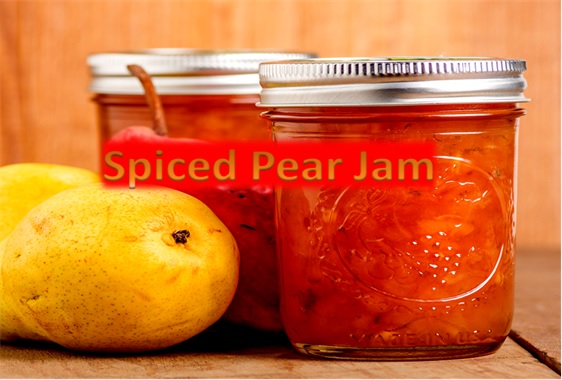
Combine all ingredients in a Dutch oven. Simmer, uncovered, for 1-1/2 to 2 hours or until thick, stirring occasionally. Stir more frequently as the mixture thickens.
Remove from the heat; skim off foam. Carefully ladle into hot half-pint jars, leaving 1/4-in head space. Remove air bubbles; wipe rims and adjust lids. Process for 10 minutes in a boiling-water canner. Yield: 6 half-pints.
2 1/2 Cups of crushed pineapple with juice ( or one 20 ounce can)
4 Tablespoons lemon juice
2 Tablespoons orange zest
3 Cups sugar ((white or brown))
3 1/2 Tablespoons pectin (one 1.75 ounce box)
Preparation:
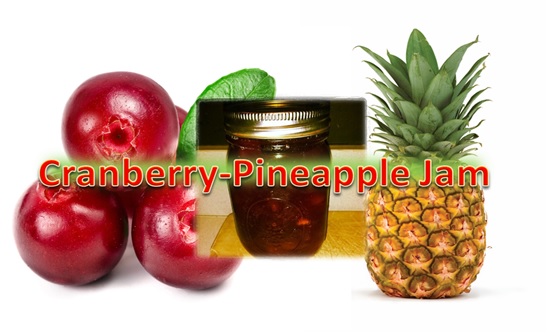
Combine the cranberries, pineapple, lemon juice, orange zest, sugar, and pectin in a pot on the stove over low heat. Stir the mixture until the sugar dissolves and the mixture begins to boil.
Crush the fruit in the mixture with a potato masher over medium heat on the stove until the jam boils for approximately 15 minutes – or longer if you want thicker jam.
There are two ways you can preserve the jam. You can can it in a water bath or you can stuff it in the freezer to make freezer jam.
About 8 small crab apples (or 3 large cooking apples)
Preparation:
Put a small saucer in the fridge to chill.
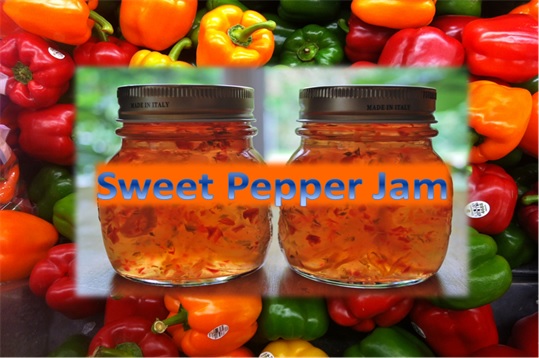
Trim and deseed the chillies then pulse in a blender. Remove any loose stalks from the crab apples and pierce the skin in several places.
Add all of the ingredients to a large, heavy bottomed pan. Stir briefly, then bring to a rolling boil for around 15 minutes.
With a spoon, drop a small amount of jam on to the plate. After a minute or two, give the jam a gentle push with your finger. If the jam wrinkles or ‘skins up’, your jam is ready. If not, keep checking every 5 minutes until you get it there.
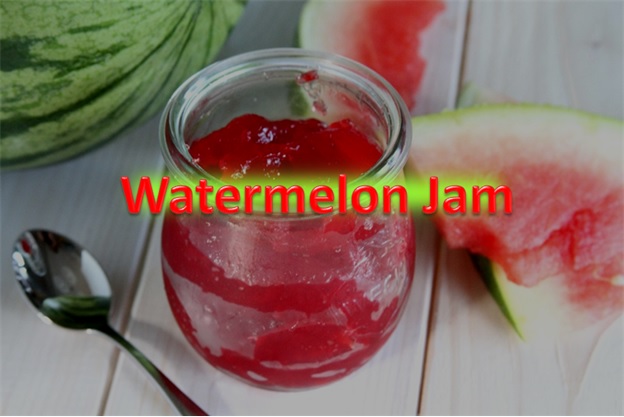
Combine watermelon puree, sugar and lemon juice in a large, non-reactive pot (anything but aluminum). Get one bigger than you think, you’ll want plenty of space for things to foam up without overflowing. Bring to a boil and let it boil vigorously until the temperature of mixture reaches 220 degrees. Be sure to stir frequently, you don’t want it to burn on the bottom. Add the powdered pectin and boil for another five minutes.
Remove from the heat and pour into clean, sterilized jars, leaving about a half inch of head space. Wipe rims, apply lids and screw on bands. Process in a boiling water bath for 10 minutes.
When time is up, remove from canner and let jars cool completely, preferably overnight. When they are cool enough to handle, remove rings and test seals. You can eat immediately or store unopened jars in a cool, dark place for up to a year.
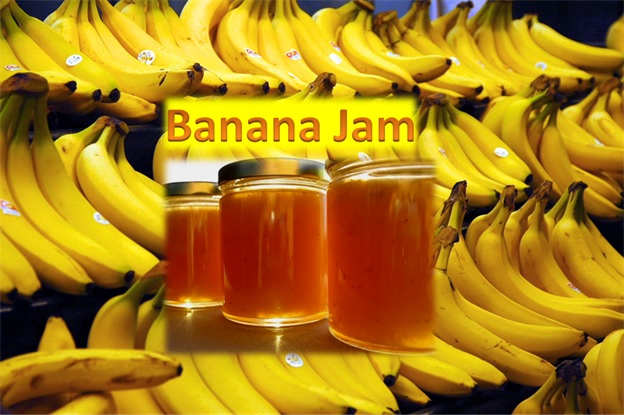
Combine the sugar and water in a saucepan; bring to a boil, and boil for 10 minutes. Stir in the lemon juice, mashed banana, and cloves. Reduce heat to low; simmer, stirring frequently, until the mixture thickens, about 45 minutes. Strain to remove cloves. Add honey and mix well.
Divide the jam between the jars, screw on lids, and refrigerate.
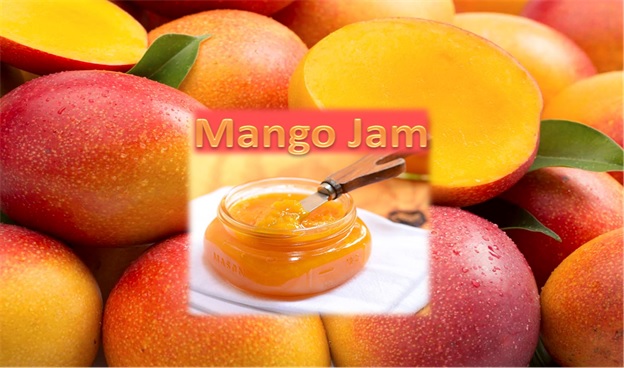
Boil, steam, or microwave the whole mangoes until soft. Cool, then remove the peel and inner seed; place the mango pulp in a large bowl. Use a fork or potato masher to mash the pulp well.
Place the sugar and water in a large saucepan over low heat, stir mixture, and bring to a boil. When mixture begins boiling, increase heat to medium-high. Continue boiling until fine, soft threads form, 270 degrees F (135 degrees C). Stir in the mango pulp, add the saffron threads, if desired, and boil until the mixture thickens, about 5 minutes.
Pour cooked jam into sterilized jars and seal according to canning directions.
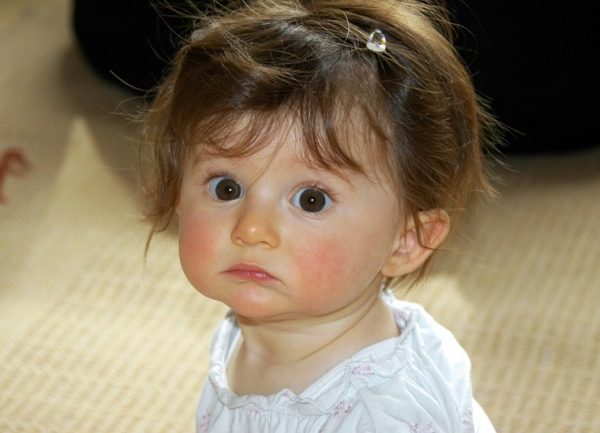
In babies eye and vision problems are rare. This is because most babies will have healthy eyes to start with when they are born, due to mother’s nutritional intake during pregnancy. Babies will develop the visual abilities that they need for their lifetime. Occasionally babies face problem with eye health and vision. Parents must look at signs of indications that baby might be facing. Any problem the baby might be facing should be bought attention to pediatrician and take care of baby’s eye healthimmediately. Some of the indications of baby’s eye health issues are:
Excessive tearing that may be due to blocked tear ducts.
Encrusted or red eyelids indicating infection.
Babies eye turning constantly probably due to problem with eye muscle control.
Sensitivity to light indicating elevated pressure in the eye.
Sometimes appearance of white pupil that could be due to eye cancer.
If parents see any such symptoms in babies eye, immediately they must contact pediatrician and pediatrician will refer to specialist if needed.
Parents can help baby to develop good vision by different activities . Depending on age of the baby some activities can be introduced in little ones life to improve the eye health and visual development. some examples of age-appropriate activities that can assist an infant’s visual development.
Birth to 4 months
Let there be a nightlight or dim lamp in the baby’s room.
Keep baby’s toys at baby’s reach 8-12 inches and baby will focus on toys
Change crib’s position often and help baby to change the position.
While walking around baby, keep talking to baby. As baby hears your voice she or he will try look at you.
While breast feeding alternate right and left sides with each feeding.
5 to 8 months
To pull and play hang soft toys, crib gym, or various objects across the crib for the baby to grab.
Put baby on the floor and let her explore around.
Give such toys that baby can hold in hands. Give light wooden or plastic blocks to hold.
Play with baby with questers and rhymes. Moving hands and body will capture babies attention and they look at the person who is playing.
9 to 12 months
Play hide and seek with baby. Do peek a boo and let baby try to see your face to developvisual memory.
While talking to baby, show the objects and name the object. This improves babies recognition skills and the vision. IN addition, baby’s memory power will develop well.
Encourage baby to crawl and creep. Keep toy at a distance and have baby crawl to get the toy.
1 to 2 years
Play with child with various colored toys. Rolling colorful ball back and forth will help baby to track the objects and improves vision.
Narrate stories and help baby to visualize the characters. Babies recognizes pets and small animals. Show the picture in the book and let baby tell you what is in image about. This not only improves learning skills, also improves the vision to read.
Any problem with eye sight that you notice as a parent, take action immediately. Doctors might prescribe glasses to improve vision or might assist you to improve your baby’s vision and eye health.
Image credit: Image by Barrie Taylor from Pixabay (cc by 0, free for commercial use)