Don't worry about the people in your past; There's a reason they didn't make it to your future.
Beetroot coconut soup
Beetroot also known as beet is a good vegetable and contains good source of several nutrients. Potassium, minerals, folate, iron, vitamin A and vitamin C are few major ingredients of beetroot. Including fibrous beetroot in diet helps in many ways – regularity in digestion, reduces inflammation, improves athletic performance, reduces progression of dementia in elders and good for heart health and blood pressure conditions. Sugar content in beetroot is high. People with diabetic condition should limit consumption of beetroot.
Dishes made of beetroot are tasty. Beetroot curry, sambaar, salad, chutney, cutlets, falafel, halwa, puri, paratha, rasam, raita… are few examples in the long list of beetroot recipes.
Beetroot coconut soup is a delicious and tasty soup for all seasons that one should try.
Ingredients:
Beetroot medium size -2
Onion –1 small
Ginger – 1 inch
Green chilli – 1
Coconut milk – 1 cup
Coconut cream – 2 Tbsp
Salt
Pepper
Coconut oil – 2 Tbsp
Cilantro- ¼
Preparation:
Wash and peel beetroot and cut into small pieces
Heat oil in a frying pan on medium heat, add chopped onion, chilli and ginger
Add beetroot pieces and sauté
After 3-4 minutes, add one cup water and bring the contents to boil.
Let the contents simmer for 5-10 minutes
Turn off the heat and allow content to cool.
Puree the contents and transfer to a vessel
Heat a vessel, add little coconut oil and add one tsp cumin, pepper and sauté it
Now add pureed content, salt and coconut milk
Heat the soup for couple of minutes
Garnish with chopped cilantro and serve hot beetroot soup for lunch or dinner.
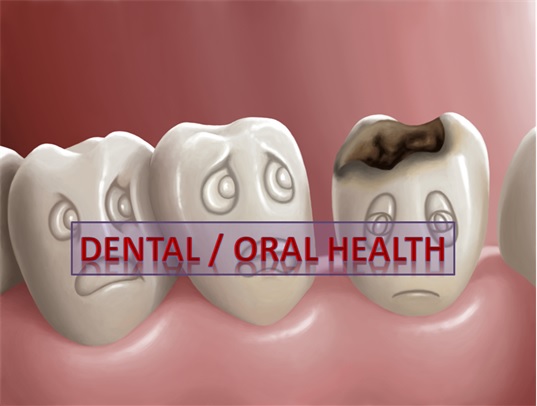
Practicing proper dental care is important in many ways you might not have thought of before. Why it is so important and why we should not neglect the dental and oral hygiene? See next few slides.
Brushing: Keeping teeth clean means – keeping good health. Oral hygiene is critical for better health. We all know we have to use brush to clean our teeth. But have you thought about which type of brush you need to use ? See some tips below:
1. A hard-bristled toothbrush coupled with an aggressive brushing technique can cause irreversible damage to your gums. Use a soft toothbrush and gently brush your teeth at a 45-degree angle, in a circular motion. Toothbrushes should be changed every three to four months.
2. How to brush?
Place your toothbrush at a 45-degree angle against the gums.
Move the brush back and forth gently in short (tooth-wide) strokes.
Brush the outer tooth surfaces, the inner tooth surfaces, and the chewing surfaces of the teeth.
Use the tip of the brush to clean the inside surfaces of the front teeth, using a gentle up-and-down stroke.
3. How many times?Try brushing minimum twice a day to prevent building up of acid and plaque. Rines your mouth after you brush using mouth wash and water.
4. Washing mouth:After you eat rinse your mouth properly. Because, you don’t want food particles to remain in mouth and breakdown causing bacterial infections.
Clean your tongue – using toothbrush or a tongue cleaner. This will remove countless bacteria that are sitting in oral cavity and on the surface of the tongue. Not cleaning the tongue is one of the reasons for bad breath or halitosis. And, you don’t want people to turn away from you!
The tongue harbors bacteria and food particles trapped under a thin layer of mucus. Remove this odor-causing buildup by using a small dab of toothpaste and carefully brushing the top of the tongue. Start by reaching to the back of the tongue, and then work forward toward the opening of the mouth. Brush the entire top surface of the tongue using gentle pressure, and finish by rinsing with water.
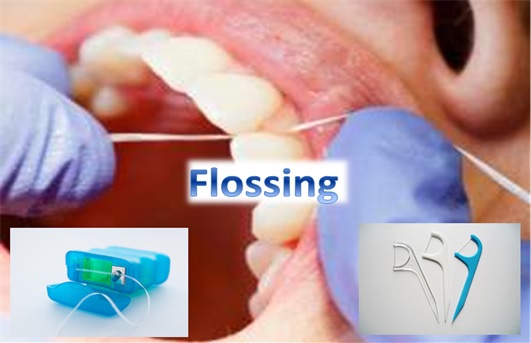
Flossing helps to remove any food particles that are sitting in between teeth. It removes all those particles that cannot be removed by brushing. Floss at least one day – that is the dentist recommendation.
Floss comes in two basic forms:
Nylon (multifilament) floss. This floss is made up of many strands of nylon fabric, making it stringy and possible to break apart. Nylon floss comes in waxed and unwaxed.
PTFE (monofilament) floss. This floss is made up of a single strand or thread, and glides in between even the tightest of spaces.
To receive maximum benefits from flossing, use the following technique:
Starting with about 18 inches of floss, wind most of the floss around each middle finger, leaving an inch or two of floss to work with
Holding the floss tautly between your thumbs and index fingers, slide it gently up-and-down between your teeth
Gently curve the floss around the base of each tooth, making sure you go beneath the gumline. Never snap or force the floss, as this may cut or bruise delicate gum tissue
Use clean sections of floss as you move from tooth to tooth
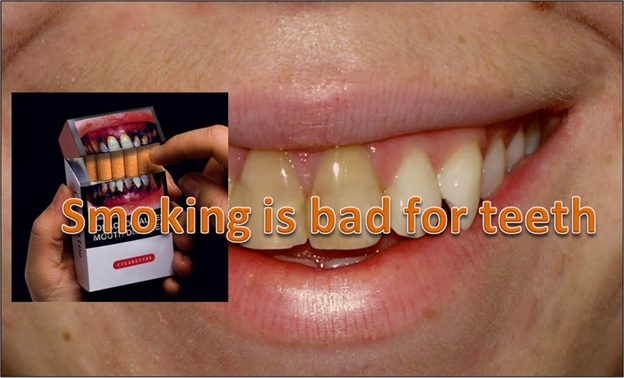
To save yourself from oral cancer and periodontal complications avoid tobacco usage. if you smoke a tobacco you may use candies, tea or coffee to mask the smoky breath and odor. This doubles the amount of damage caused.
Do you know…
50 % of smoking adults have gum (periodontal) disease.
Smokers are about twice as likely to lose their teeth as non-smokers.
Cigarette smokers are nearly twice as likely to need root canal treatment.
Smoking leads to reduced effectiveness of treatment for gum disease.
Smoking increases risk of mouth pain, cavities and gum recession means, it can result in tooth loss.
Tobacco reduces the body’s ability to fight infection, including in the mouth and gums.
Smokeless tobacco is associated with cancers of the cheek, gums and lining of the lips. Users of smokeless tobacco are 50 times more likely to develop these cancers than non-users.
And, don’t forget about your teeth color and bad breath!!
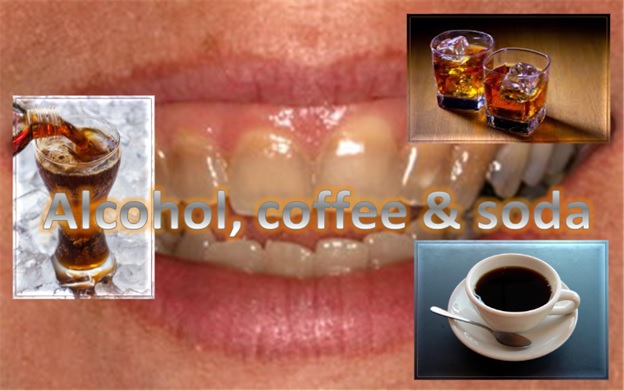
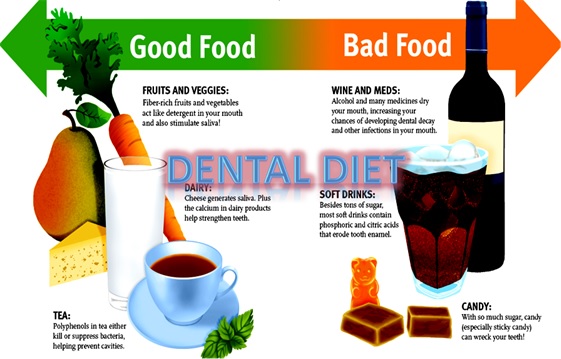
Too much of phosphorous present in certain drinks can deplete calcium in the body. This also causes dental hygiene problems such as tooth decay and gum disease.
These drinks also discolor the teeth and make it very dull and unattractive. It does not matter how beautiful your teeth arrangement is, certain hobbies will take away the beauty of teeth.
Drinking milk, water and less sugary juices is best option. Water is the best drink as it hydrates body for longer time than sugary drink.
Your teeth and gums are made up of calcium, so you can imagine how important it is to make a deposit in the calcium bank. Eating foods such as yogurt, cheese and soybeans will keep your teeth strong. For breakfast, try having yogurt topped with a crunchy whole-grain cereal and fresh fruit to start your day off right.
Saliva is one of our body’s strongest soldiers battling bacteria. Foods that promote saliva production, such as tart or sour foods including lemons, limes, cherries and cranberries, can help your body fight bacteria in your mouth. Drinking water is another great way to produce saliva, clear bacteria and cleanse your oral cavity.
One can also take a calcium supplement, taking different doses according to your age and necessity as per prescription. Calcium and Vitamin D are necessary for maintaining the health of gums and teeth. Vitamin B complex is also essential for the protection of gums and teeth from cracking and bleeding. Copper, zinc, iodine, iron and potassium are also required for maintaining healthy dental hygiene.
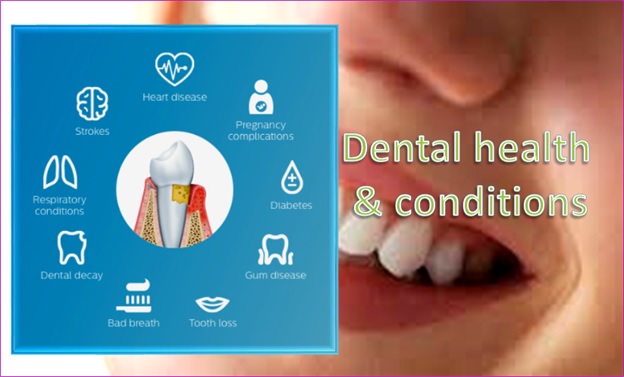
It is very crucial to maintain the dental hygiene. If not, body will suffer by various conditions. Reason is simple but, complexity results from the simple reason is huge.
Bacteria that builds up on teeth make gums prone to infection. The immune system moves in to attack the infection and the gums become inflamed. The inflammation continues unless the infection is brought under control.
Tooth problems can lead to diabetes, dementia, heart disease, systemic infections, respiratory problem and inability to eat or speak properly and other maladies – some are life threatening.
“Your Mouth, the Gateway to Your Body” – Maintain good hygiene and visit your dentist once every 6 months. Use recommended tooth paste. Ask your dentist what precautions you should take to reduce cavities and tooth aches. Take care of yourself and your family by practicing and teaching good oral hygiene.