






 Fusion
What Is Cholesterol, And Why Do Children Need It?
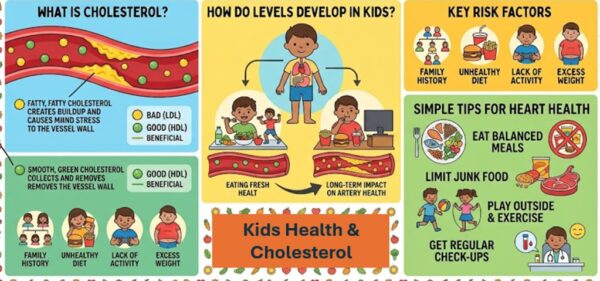
Cholesterol is a waxy, fat-like substance produced by the liver and obtained from certain foods. The body needs it to build cell membranes, produce hormones and support normal development.
Cholesterol travels through the bloodstream in particles called lipoproteins. A blood test, known as a lipid profile, measures different types of cholesterol and other fats.
The main types include:
- LDL (low-density lipoprotein): Often called bad cholesterol, elevated LDL can contribute to fatty deposits in artery walls.
- HDL (high-density lipoprotein): Known as good cholesterol, HDL helps transport cholesterol away from tissues and back toward the liver.
- Triglycerides: These are fats in the blood that provide energy. High levels can accompany unhealthy eating patterns and other metabolic risk factors.
- Total cholesterol: This measures the overall amount of cholesterol in the blood, including cholesterol carried by different lipoproteins.
Image credit: AI-generated image created with Google Gemini, October 14, 2026
Author: Sumana Rao | Posted on: October 15, 2026
« Previous Article
Next Article »
« Cholesterol Levels in Children: Normal Ranges, Risks and Nutrition What Are Normal Cholesterol Levels in Children? »
« Cholesterol Levels in Children: Normal Ranges, Risks and Nutrition What Are Normal Cholesterol Levels in Children? »












Write a comment