






 Fusion
Importance Of Soleus Muscle And Soleus Pushups
The phrase “calf is the second heart” refers to how the calf muscles help pump blood back to the heart, especially from the lower extremities. This is particularly important in venous circulation—bringing deoxygenated blood upward against gravity.
Do your feet feel tired, and calves feel strained all the time? Then you must also know that it is important to keep your calves healthy. Soleus muscle is one type of calf muscle. These muscles may be small and often overlooked, but they play a vital role in whole-body health, particularly in metabolism, circulation, and posture.
The two major calf muscles are:
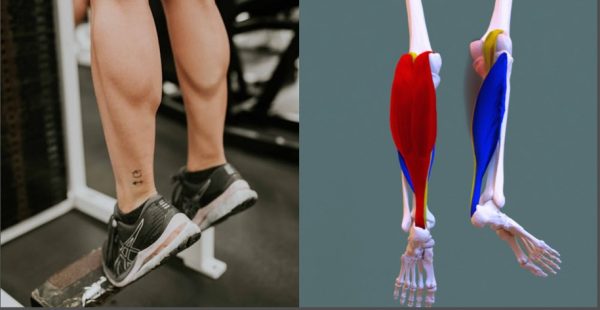
- Gastrocnemius – the larger, more superficial muscle visible beneath the skin.
- Soleus – lies underneath the gastrocnemius and is deeper, flatter, and crucial for postural stability.It plays a key role in pumping blood back to the heart, especially while standing and walking.It’s often called the “skeletal muscle pump” because of how it helps circulate venous blood from the legs upward.
Why is soleus muscle important?
1. Crucial for blood circulation:
The soleus acts as a “second heart” in your legs. Every contraction helps pump blood back to the heart, reducing blood pooling in the feet and legs. Especially important for preventing deep vein thrombosis (DVT) or swelling during long periods of sitting or travel.
2. Regulates blood sugar and metabolism:
Unlike many muscles, the soleus is highly oxidative—it burns fat and glucose efficiently. A 2022 study found activating the soleus through “soleus pushups” dramatically improved glucose and fat metabolism, even during rest. It can be particularly helpful for those with Type 2 diabetes, insulin resistance, or sedentary jobs.
3. Maintains postural stability: Helps stabilize the ankle and maintain balance when standing. Supports upright posture by resisting the forward sway of the body.
4. Supports endurance and daily mobility: Important for walking, running, standing—it handles low-level endurance activity all day. Strong, well-functioning soleus muscles help reduce fatigue in the lower body.
5. Acts when other muscles rest: The soleus remains active even when you’re sitting, meaning it can be targeted for exercise without heavy impact or equipment.
Health benefits of soleus muscles backed by research
- Improved glucose control
- Better circulation & vascular health
- Lower fatigue from sitting
- Supports healthy metabolism without needing high-intensity workouts
Soleus pushups are helpful in keeping calves healthy:
Soleus push-ups are a simple but powerful movement designed to activate the soleus muscle—a deep calf muscle that plays a key role in blood circulation and endurance, especially while standing or walking.
Benefits of soleus push-ups:
Improved blood sugar control: Soleus push-ups can significantly improve glucose regulation—even more than traditional exercise in some cases.
Enhanced fat metabolism: Boosts oxidative metabolism (burning fat for fuel), which is especially helpful during sedentary periods.
Supports cardiovascular health: Acts like a “calf heart pump” to assist circulation, reducing risk of blood pooling in the legs.
Reduces effects of prolonged sitting: Great for desk workers or long travel—helps counteract the negative impact of being sedentary.
Strengthens lower legs without impact: Low-intensity, joint-friendly exercise ideal for seniors or people with knee issues.
How to do a soleus push-up?
- Sit upright on a chair with your feet flat on the floor, hip-width apart.
- Keep your toes and balls of your feet firmly on the floor.
- Lift your heels off the ground slowly while keeping your foot down.
- When your heel is at its highest, let it fall slowly back to the floor.
- Repeat this motion continuously—ideally 50 to 100 reps per set, or for 5 to 10 minutes.
Move at a steady pace (not bouncing), and feel your calves contract. You should feel it deep in your lower leg—not just in outer calf.
Frequency: 2–3 times daily (especially during long sitting periods like long distance traveling, long hours working)
Duration: 10–15 minutes total or 3 to 4 sets of 100 reps
Image credit:
- Polygon data were generated by Database Center for Life Science (DBCLS) [2], CC BY-SA 2.1 JP <https://creativecommons.org/licenses/by-sa/2.1/jp/deed.en>, via Wikimedia Commons
- Photo by Amar Preciado: https://www.pexels.com/photo/calves-of-woman-at-gym-13965339/
Author: Sumana Rao | Posted on: May 22, 2026
« Previous Article
Next Article »
« Tips to Select Caregiver for Adults And Why It Matters KISS: Keep It Simple And Safe With Exercise »
« Tips to Select Caregiver for Adults And Why It Matters KISS: Keep It Simple And Safe With Exercise »











2 Comments on “Importance Of Soleus Muscle And Soleus Pushups”
Really a very informative article, helpful for many of the people who have suffered from calf muscle pain.
Thank you!
Write a comment