








 Fusion
Want To Age Healthy, Stay Fit And Independent? Start Practicing Yoga Today!
As we celebrate International Yoga Day, all of us should make it a habit of practicing yoga regularly to be healthy and happy in life. Healthy ageing is about maintaining physical strength, mental sharpness, emotional balance, and independence. Regular yoga practice supports all these aspects by improving flexibility, strength, balance, heart health, sleep quality, and stress management. Even a few minutes of yoga each day can make a meaningful difference over time. As the population ages, yoga offers a simple, affordable, and holistic approach to living healthier, happier, and more active lives.
Yoga as we know is an ancient mind body discipline that combines physical postures, breathing techniques, and meditation. Unlike high intensity exercises that may be difficult for older adults, yoga can be adapted to different fitness levels and ages. Research has shown that practicing yoga regularly offers numerous benefits for physical, mental, and emotional well-being.
Improves flexibility and joint health: One of the first signs of ageing is a gradual loss of flexibility. Muscles become tighter, and joints may become stiff, making everyday activities more difficult. Yoga stretches various muscle groups and encourages gentle movement of the joints. Regular practice helps maintain mobility, improve posture, and reduce discomfort associated with stiffness.
Simple yoga poses can enhance the range of motion in the hips, shoulders, knees, and spine, helping older adults remain active and independent.
Builds strength and balance: Age-related muscle loss, known as sarcopenia, can lead to weakness and increase the risk of falls. Yoga uses body weight to strengthen muscles without placing excessive strain on the joints. Many poses engage the core, legs, arms, and back muscles, helping improve overall strength.
Balance focused postures are especially beneficial for seniors. Better balance reduces the likelihood of falls and fractures, which are common causes of injury among older adults. Improved stability also boosts confidence in performing daily activities.
Supports heart health: Heart disease remains one of the leading health concerns among older adults. Studies suggest that yoga can help lower blood pressure, improve circulation, and reduce stress-related strain on the cardiovascular system.
Yoga encourages controlled breathing and relaxation, which can help regulate heart rate and support healthy blood vessel function. When combined with a balanced diet and regular medical care, yoga can contribute to better heart health and overall longevity.
Enhances mental well-being: Healthy ageing is not only about physical fitness but also about maintaining good mental health. Many older adults face stress, anxiety, loneliness, or depression due to life changes and health challenges.
Yoga promotes relaxation by calming the nervous system. Breathing exercises and meditation help reduce stress hormones and encourage a sense of inner peace. Regular practice has been linked to improved mood, emotional resilience, and greater life satisfaction.
Many people report feeling more positive, focused, and energetic after incorporating yoga into their daily routine.
Improves sleep quality: Sleep problems become more common with age. Difficulty falling asleep, frequent awakenings, and poor sleep quality can affect overall health and energy levels.
Yoga helps relax the body and mind, making it easier to fall asleep and stay asleep. Gentle evening yoga routines and breathing exercises can reduce tension and prepare the body for restful sleep. Better sleep supports memory, immunity, mood, and physical recovery.
Boosts brain function: Cognitive health is an important aspect of healthy ageing. Research indicates that yoga may improve concentration, memory, and mental clarity. Meditation and mindful breathing increase awareness and help train the brain to focus.
Regular yoga practice may also help reduce the impact of stress on the brain, supporting long-term cognitive function. While yoga is not a cure for memory disorders, it can be a valuable part of a brain-healthy lifestyle.
Encourages healthy weight management: Metabolism naturally slows with age, making weight management more challenging. Excess weight increases the risk of diabetes, heart disease, and joint problems.
Yoga encourages mindful living and body awareness, which can support healthier eating habits. Combined with physical activity, it helps maintain a healthy weight and improve overall fitness.
A safe and lifelong practice: One of the greatest advantages of yoga is that it can be practiced throughout life. Whether a person is in their 40s, 60s, or 80s, yoga can be modified to suit individual abilities and health conditions. Chair yoga, gentle yoga, and restorative yoga are excellent options for beginners and seniors.
Before starting a new exercise program, individuals with medical conditions should consult their healthcare provider. Learning from a qualified instructor can also help ensure safe and effective practice.
Ageing is a natural process that brings many changes to the body and mind. As people grow older, they may experience reduced muscle strength, joint stiffness, balance problems, weight gain, stress, and a higher risk of chronic diseases. While ageing cannot be stopped, healthy lifestyle choices can significantly improve the quality of life. One of the most effective and accessible ways to support healthy ageing is regular yoga practice.
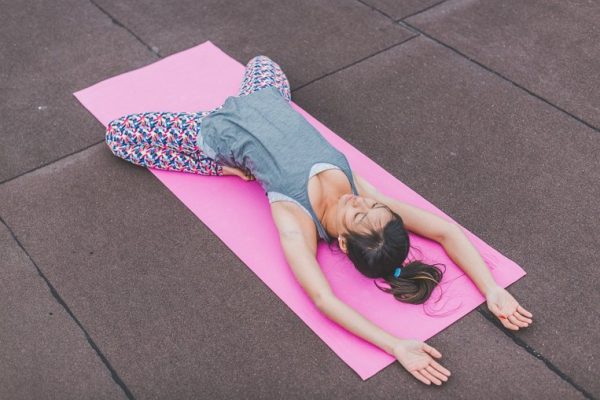
Image credit: Image by StockSnap from Pixabay (Free to use under Pixabay content license, published on July 30th 2017)
Author: Sumana Rao | Posted on: June 22, 2026
« Previous Article
Next Article »
« Procrastination: Causes, Effects, and Simple Ways to Overcome It How to Rewire Your Emotions: A Quick-Start Guide »
« Procrastination: Causes, Effects, and Simple Ways to Overcome It How to Rewire Your Emotions: A Quick-Start Guide »












Write a comment