Respiratory Syncytial Virus RSV Infection In Infants And Children
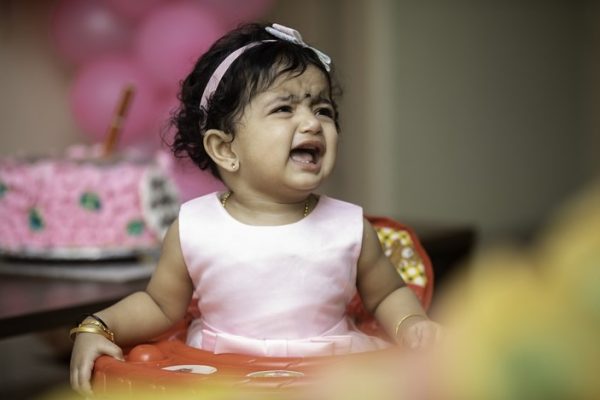
As the winter is approaching, young children are tending to get sick. This time of the year many parents visit hospital for child’s respiratory issues particularly. One of the common virus Respiratory Syncytial Virus (RSV), infection of lungs and airways makes young ones sicker. According to CDC in past month RSV in children is increased and more hospitalization is expected in next couple of months.
RSV is the most common cause of inflammation of airways of lungs and pneumonia in infants.
In most children RSV generally causes mild cold symptoms such as
- Cough
- Running nose
- Decreased appetite
- Fever
- Cold, sneezing
- Sore throat
- Headache
- Wheezing
- Decreased activity
Most children by the time they are two year’s old will be exposed and infected with RSV and suffer from mild symptoms. However, children under age one whose immune system is much weaker could develop more severe symptoms. Those children who suffer from congenital heart condition, asthma, chronic lung disease generally will have low immunity to fight the disease suffer more. These children might develop infection in airways that could le to bronchiolitis.
What causes RSV in children?
- It spreads through contaminated surfaces
- If child comes in contact with fluids of infected person
- By inhaling droplets of sneeze or cough of infected person.
What parents should do if child is sick with RSV.
- Let child rest, do not force child to be active
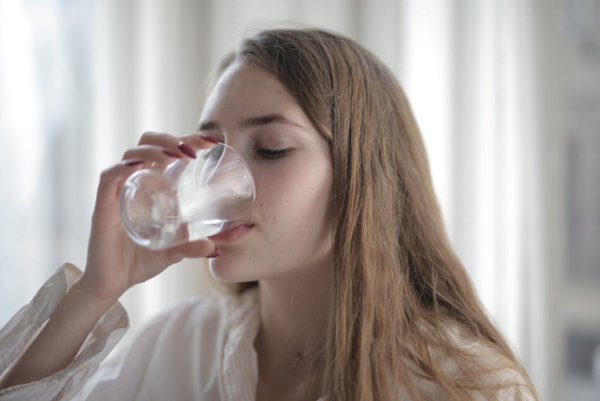
- Give fluid to avoid dehydration
- If there is fever, talk to pediatrician
- If your child is suffering preexisting condition, chances of getting sick is more. Talk to pediatrician to understand what care you should be giving.
How to prevent RSV infection?
- Avoid contact with sick people
- Avoid sharing utensils
- Disinfect and clean the surfaces counter tops, doorknobs,
- Disinfect toys, kids stuffs and wash kids clothes separately
- Do not send child to day care to avoid spreading of RSV
- If any adults have cold it is better to cover while sneezing and coughing
- Wear mask
- Washing hands frequently or using hand sanitizer when necessary, it helps to prevent virus spreading
How RSV is treated in children?
Depending on severity of symptoms, age and health condition of child RSV treatment is given to child.
- Fluids: Fluid intake is very critical to avoid dehydration. If needed fluid will be given through intravenous (IV)
- Removing mucus: Using suctioning method mucus will be removed
- Tube feeding: If child has trouble eating, nutritious liquid food is given through tube
- Ventilation: To help child’s breathing
- Antiviral medicines: To reduce infection antiviral medications might be used.
- Oxygen: Extra oxygen will be given by different means – nasal prongs or oxygen tent.
If child develops fever 100.4°F or more and display severe cough, breathlessness, experiencing wheezing, drowsiness and if skin, lips and nails appear blue – contact doctor and take child to emergency.
References:
- https://www.cedars-sinai.org/
- www.cdc.gov
- https://simplyhealth.today/
- https://www.nationwidechildrens.org/c
- Image credit: Image by Anil sharma from Pixabay (cc by 0)
Author: Sumana Rao | Posted on: November 3, 2022
« What Is Baby Acne & How To Take Care Of Baby Skin? Does Your Child Sleepwalk ? »