








 Fusion
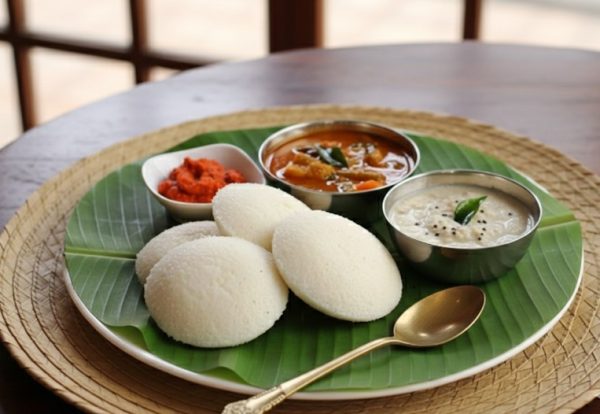
Traditional Vegetarian Recipe Preservation Checklist
When we move away from the village, town and cities where we grew up- we often miss the food that our elders used to prepare for us especially the traditional meals. We talk about it, but many times ignore the fact that these traditional foods that were prepared by our mother and grandmother helped us to shape and grow. Have you ever thought of preserving traditional vegetarian recipes that you consumed while growing up?
Preserving traditional recipes from your childhood is a meaningful way to honor your elders and their heritage. Preserving traditional vegetarian recipes is about intention, adaptation, and cultural respect. If you are concerned in preserving vegetarian recipes, use this checklist to keep culinary heritage alive in modern life.
What are some checklist points you can consider to preserve traditional recipes?
1. Document and record
☐ Write down family recipes (with exact measurements)
☐ Record traditional cooking techniques (fermenting, roasting, stone-grinding, slow cooking)
☐ Capture stories behind each dish
☐ Note seasonal variations of recipes
☐ Store recipes digitally and in print
2. Use heritage ingredients
☐ Choose ancient grains (millet, sorghum, amaranth,ragi etc.)
☐ Buy local and seasonal produce
☐ Support farmers growing indigenous crops
☐ Avoid replacing traditional ingredients with ultra-processed substitutes
☐ Learn the original names of ingredients in your native language
3. Adapt for modern lifestyles
☐ Use time-saving tools (pressure cooker, Instant Pot, batch cooking)
☐ Prepare spice mixes in advance
☐ Pre-soak beans and grains weekly
☐ Freeze traditional meals for busy days
☐ Modify cooking methods (bake or air-fry instead of deep-fry when needed)
4. Teach and share
☐ Cook traditional meals with children
☐ Host a monthly heritage meal night
☐ Share recipes on social media
☐ Start a “Traditional Recipe Series” on your blog
☐ Organize community cooking workshops
5. Support biodiversity
☐ Rotate grains and legumes weekly
☐ Try at least one forgotten grain per month
☐ Avoid monoculture-heavy diets
☐ Reduce reliance on packaged foods
☐ Compost kitchen scraps to return nutrients to soil
6. Preserve rituals and mindfulness
☐ Eat meals without distractions
☐ Practice gratitude before meals
☐ Reduce food waste
☐ Serve food in traditional ways when possible
☐ Learn the cultural significance of special dishes
7. Make conscious purchasing choices
☐ Shop at farmers’ markets when possible
☐ Read ingredient labels carefully
☐ Avoid heavily refined grains
☐ Support small food businesses
☐ Prioritize whole, minimally processed foods
8. Monthly reflection prompt
At the end of each month, ask yourself:
• Did I cook at least one traditional vegetarian dish?
• Did I introduce someone new to a heritage recipe?
• Did I support biodiversity through my food choices?
• Did I honor the story behind the food I prepared?
Preserving traditional vegetarian recipes is not about perfection. It is about participation. Every home-cooked heritage meal is an act of food activism.
Image credit: www.werindia.com (all rights reserved)
Author: Sumana Rao | Posted on: February 27, 2026
« Previous Article
Next Article »
« Overcoming food cravings is easy Healing With Food According To Ayurveda »
« Overcoming food cravings is easy Healing With Food According To Ayurveda »












Write a comment