How to use okra for various conditions
There are different ways one can use okra to get its unlimited benefits. Whole okra, okra peel, okra seeds and okra leaves – all provide different health benefits.
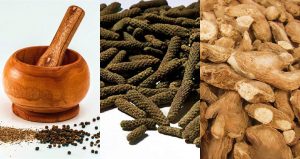
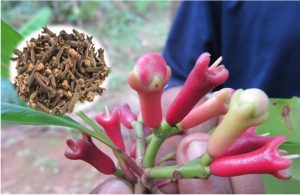
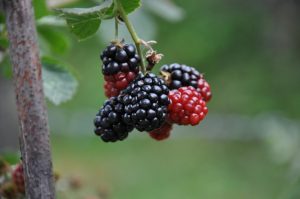
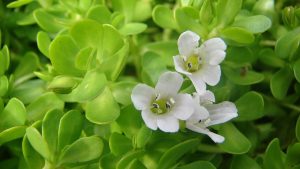
Several Indian herbs have been traditionally used in Ayurvedic medicine for brain health and cognitive function, and some show promise in supporting Alzheimer’s treatment.
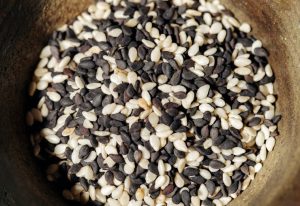
Both black and white sesame seeds are highly beneficial for women’s health, thanks to their rich nutrient profile. They are small but mighty seeds loaded with essential nutrients like calcium, magnesium, zinc, healthy fats, fiber, and plant-based protein.
Green gram, also known as mung bean (Vigna radiata), holds a special place in Ayurveda due to its numerous health benefits and nourishing properties. It is considered a sattvic (pure and balanced) food, making it an ideal ingredient in Ayurvedic cooking.
Herbal teas made from leaves, roots and flowers have multiple benefits. Antioxidants present in these herbs yield many health benefits. If you are an herbal tea drinker, you must know the uses as well as possible side effects of herbal teas.
Propolis is a resinous substance produced by bees from the sap on trees, which they mix with beeswax and their own enzymes. It is used to seal small gaps in the hive and protect against intruders and infections.
Laja Manda is a traditional Ayurvedic preparation made from laja (parched puffed paddy) combined with other ingredients like jaggery, ghee, and medicinal herbs. It is often consumed for its nourishing and healing properties and holds a special place in postpartum care
Boswellia, also known as Indian frankincense, comes from the resin of the Boswellia serrata tree. It has been used for centuries in traditional Ayurvedic medicine due to its anti-inflammatory properties. In Ayurvedic medicine, Boswellia also known as Salai guggul,