






 Fusion
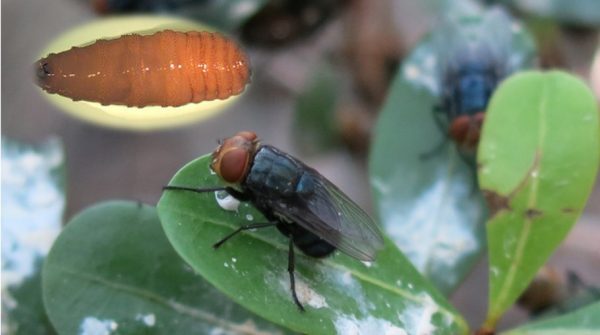
First Case of Flesh Eating New World Screwworm Parasite Reported In USA
The New World screwworm (Cochliomyia hominivorax) is a parasitic fly whose larvae — maggots — burrow into and feed on the living flesh of warm-blooded animals, including humans.
Females are drawn to open wounds (even tiny ones like tick bites), where they lay hundreds of eggs. The hatched larvae burrow into healthy tissue, causing deep, painful lesions. After 3–7 days of feeding, the larvae drop to the ground to pupate and later emerge as adult flies.
Where are they found?
Screwworms are endemic in parts of Latin America and the Caribbean and historically were eradicated from the U.S. in the 1960s.
However, recent reinfestations have been reported in southern Mexico as of late 2024. The first travel-associated human case in the U.S. was confirmed in Maryland in August 2025 — a patient returned from El Salvador and was diagnosed with the infection. Importantly, no emphasize the risk remains low.
Symptoms of screwworm infection:
- Visible larvae in wounds or body openings, such as eyes, nostrils, umbilicus — often post-travel
- Rapidly worsening wounds, with heavy drainage, foul odor, and severe pain
- Secondly, bacterial infection, fever, irritability (in animals), or discomfort in humans.
- If untreated, it can be fatal, though human cases are rare.
Precautions and prevention
For public –
- Clean and cover all wounds, including minor ones like insect bites or scratches.
- Wear protective clothing — long sleeves, pants, socks — to reduce exposure to endemic areas.
- Use EPA-registered insect repellent and treat clothing or gear with 0.5% permethrin.
- Avoid sleeping outdoors or ensure sleeping areas are screened or use bed nets.
- Avoid contact with livestock or animal housing areas while traveling in endemic regions.
- Seek medical attention promptly if you notice persistent wound issues or suspect larvae infestation; diagnosis and treatment require larval removal and medical evaluation.
Veterinarians and livestock owners-
- Inspect animals daily, especially wounds, orifices, and newborns like navels; watch for maggots, odor, or unhealed wounds.
- Isolate and treat suspicious cases, contact a vet, and report to local agricultural or health authorities.
- Use approved treatments such as ivermectin or doramectin for animals, as they have proven effective in preventing or treating screwworm infestation.
- Minimize wounds and stress in animals: avoid unnecessary procedures during high-risk seasons, remove sharp objects from pens, manage tick loads to reduce opportunities for egg-laying.
National response:
- The U.S. has established a sterile insect technique (SIT) program — mass release of sterilized male flies — to curb reproduction. A major production facility in Texas will release up to 300 million sterile flies per week.
- U.S. livestock imports from Mexico have been suspended to reduce introduction risk.
For more information:
- https://www.reuters.com/business/environment/us-confirms-nations-first-travel-associated-human-screwworm-case-connected-2025-08-25
- https://www.nbcnews.com/news/us-news/first-human-case-flesh-eating-screwworm-parasite-detected-us-rcna226923
- https://www.nal.usda.gov/exhibits/speccoll/exhibits/show/stop-screwworms–selections-fr/
- https://www.aphis.usda.gov/sites/default/files/bro-new-world-screwworm.pdf
- Image credit: https://www.cdc.gov/ & https://www.aphis.usda.gov
Author: Sumana Rao | Posted on: August 26, 2025
« Previous Article
Next Article »
« Legionnaire Disease Outbreak in New York City Brain Eating Amoeba Infections And Deaths In Kerala India »
« Legionnaire Disease Outbreak in New York City Brain Eating Amoeba Infections And Deaths In Kerala India »













Write a comment