








 Fusion
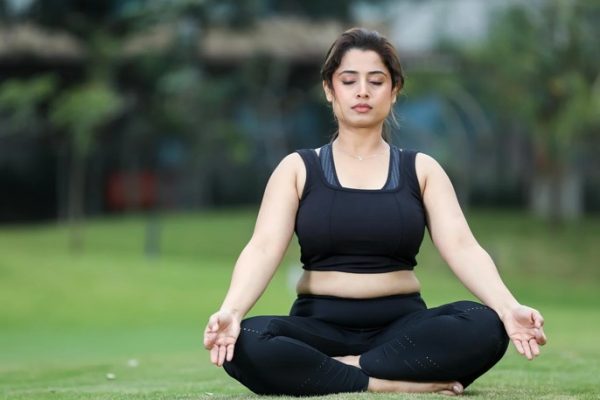
These 7 Yoga Asanas Will Help To Manage High Blood Pressure Naturally
One of the conditions that can increase risk of heart condition is high blood pressure known as hypertension. When uncontrolled hypertension can result in stroke, kidney problems and other complications. Along with prescribed treatment, a healthy diet, regular physical activity, adequate sleep and stress management plays an important role in maintaining healthy blood pressure levels.
In addition, Yoga in particularly can be helpful in maintaining blood pressure because it combines gentle physical movement, breathing and relaxation. Regular yoga practice may will help to reduce stress and support overall cardiovascular health.
How to practice yoga safely with high blood pressure?
Yoga can be a valuable addition to a heart healthy lifestyle. Gentle poses such as shavasana, sukhasana, balasana and viparita karani can promote relaxation, while appropriate movement and breathing practices helps support overall wellbeing.
Following seven yoga asanas that can help people manage high blood pressure when practiced regularly
1. Shavasana -Corpse pose: Shavasana is one of the simplest yoga poses and is primarily designed for deep relaxation. Lie comfortably on your back with your arms relaxed beside your body and legs slightly apart. Close your eyes and breathe slowly and naturally.
Spending several minutes in Shavasana may help calm the mind and reduce stress and muscle tension. It is particularly useful at the end of a yoga session.
2. Sukhasana -Easy pose: Sukhasana is a comfortable seated posture often used for meditation and breathing exercises. Sit with your legs crossed, keep your back comfortably upright and relax your shoulders.
Combine the pose with slow, steady breathing. This simple practice can encourage relaxation and may be useful for people whose blood pressure is affected by stress.
3. Balasana- Child’s pose: Balasana, is a gentle resting posture. Kneel on a yoga mat, sit back toward your heels and slowly bring your upper body forward. While in the pose breath normally for five times. Make sure your head touches the mat.
4. Vajrasana -Thunderbolt pose: Vajrasana is seated posture in which you sit back on your heels with your spine comfortably upright. Place your hands on your thighs and focus on relaxed breathing. You can practice alternate nostril breathing or boxed breathing in this pose. If you feel uncomfortable sitting in this pose, come out and sit in sukhasana.
5. Marjariasana -Cat cow pose: Cat cow combines two gentle movements that mobilizes the spine. Begin on your hands and knees. Slowly round your back while inhaling, then gently move into the opposite position while exhaling. Do not
Perform the movements slowly rather than forcing your range of motion. The rhythmic movement can help release muscular tension and encourage mindful breathing.
6. Setu Bandhasana -Bridge pose: Setu bandhasana, involves gently lifting the hips while lying on your back. Bend your knees, place your feet on the floor and raise your hips while keeping your breathing relaxed. It is a active posture and hence the beginners should practice it gently to avoid straining the back.
7. Viparita Karani -Legs up the wall pose: Viparita Karani is a restorative posture in which the legs are supported upward against a wall while the person lies on the floor. Close your eyes and focus on breathing. It is a relaxing pose and sometimes will be performed at the end of yoga practice.
If you have hypertension, choose gentle yoga and do not strain yourself. Focus on slow movements, breathing and relaxation. Avoid breath holding, excessive straining and sudden movements.
If you have high blood pressure talk to your doctor before starting yoga routine. For better results combine regular physical activity with a balanced diet, healthy weight management, adequate sleep, stress reduction and regular blood pressure monitoring.
Image credit: Image by Anil sharma from Pixabay (Free for use under the Pixabay Content License Published date February 20, 2025)
Author: HealthyLife | Posted on: September 3, 2026
« Previous Article
Next Article »
« How to Rewire Your Emotions: A Quick-Start Guide Maintain Blood Sugar Level By Practicing Ardha Matsyendrasana -Half Lord of the Fishes Pose »
« How to Rewire Your Emotions: A Quick-Start Guide Maintain Blood Sugar Level By Practicing Ardha Matsyendrasana -Half Lord of the Fishes Pose »












One Comment on “These 7 Yoga Asanas Will Help To Manage High Blood Pressure Naturally”
This is a helpful article highlighting how yoga and regular physical activity can support overall cardiovascular health. The focus on gentle yoga practices for people concerned about high blood pressure is especially useful. However, it is also important to remember that yoga should complement, rather than replace, prescribed treatment and regular blood pressure monitoring. Consistency, proper breathing techniques, a balanced diet, and professional medical guidance can all contribute to better blood pressure management.
Write a comment