
All posts by Sumana Rao

Don't worry about the people in your past; There's a reason they didn't make it to your future.
Cilantro plant benefits

Home Remedies and Many Benefits of Herb Coriander

Next time when your stomach gets upset, consider taking a glass of buttermilk with coriander juice for great relief! Also known as cilantro, coriander is an annual herb and is one of the most popular culinary herbs around the globe. Its unique fragrance adds extra flavor to dishes. Cilantro is a must to give finishing touch to spicy curries. Coriander seeds have unique structure and contains oil glands called vittae inside which oil is stored. Coriander seed powder has many culinary as well as medicinal applications just like cilantro plant.

 The aroma of ripened coriander seeds is somewhat different from the cilantro plant. For some people cilantro smell reminds of soap odor. Cilantro leaves, stem and seeds are the parts used in medicine as well as in cooking.

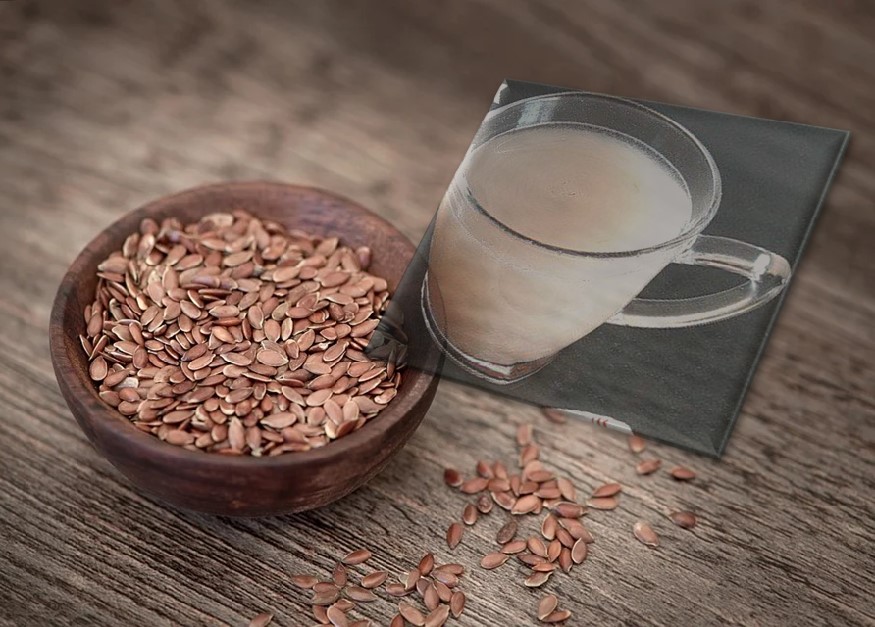
Coriander seeds
  1. Digestion aid: Add washed cilantro pieces to buttermilk with salt and asafetida. Mix and drink. This will help to get rid of bloated tummy, releases gas and helps in digestion. You can prepare cilantro juice and mix with buttermilk, salt and asafetida. It is an appetite stimulant and promotes gastric juice secretion.
  2. Reduces anxiety: Using coriander seeds prepare tea. Boil water and add half tsp of coriander seed powder. Drink this tea to reduce anxiety.
  3. Mouth ulcers: Seeds water and paste of fresh cilantro plants are remedy for mouth ulcers.
  4. For infections: Coriander leaves are used in treating skin infections called erysipelas a type of infection caused by streptococcal bacteria. It is a remedy for fungal infections too!
  5. For insomnia: Drinking coriander seed water one hour before going to bed improves sleep. There is no side effect and this will help to get good sleep throughout the night.
  6. For diabetes: Do you know cilantro is good for reducing blood sugar level. Add cilantro to food, prepare chutney or make tea out of seeds – cilantro promotes liver health, and this will help to reduce blood sugar level
  7. For food poisoning: In traditional remedies, cilantro is recommended for detoxification of body. Cilantro thus removes poison from the system.
  8. For cardiovascular health: Coriander reduces high blood pressure, brings down cholesterol level. Potassium content in cilantro helps to control blood pressure and maintains sodium balance. Including cilantro in diet is helpful for heart conditions.
  9. Urinary tract infection relief: Drinking coriander seed water is helpful to reduce UTI. Soak cilantro seeds overnight and drink the water in the morning. Cilantro helps to clean up UTI and reduces the pain.
  10. Menstrual pain: Coriander seed khashayam is recommended for menstrual pain and problems. Drinking this will help to regulate the cycle.
  11. For inflammation: To reduce neurological inflammation coriander seed water is helpful. Including cilantro in diet regularly will help to fight inflammation caused by nerves.
  12. Colon cancer: Detoxification property of cilantro is helpful in cleansing colon. This prevents colon cancer and promotes colon health.
  13. Good for skin and joints: Any type of skin irritation can be treated with cilantro. Cilantro plant and cilantro seed poultice is helpful in reducing joint pain and rheumatism.
  14. To get over the hangover: Seeds of cilantro is a good remedy for hangover. Chewing the seeds or drinking the seed water helps to recover from hangover.

Growing cilantro is very easy. Some people grow cilantro throughout the year in kitchen garden. In moist and well drained soil, coriander seeds germinate and grow well.

Image: Image by ReStyled Living from Pixabay & Image by PDPics from Pixabay   (Free for commercial use)


Author: Sumana Rao | Posted on: January 8, 2021
« »
« »

Recommended for you

Basil zucchini soup

Basil zucchini Jalapeno soup

Who does not want to have hot food while sitting at home and take care that irritating throat during flu season? Try a nutritious soup for cold and flu.

Basil zucchini jalapeno soup is very tasty and not only it gives taste bud a lift,  it also helps throat to recover.

What you need?

  1. Olive oil – 1 Tbsp
  2. Garlic – 3 cloves
  3. Chopped green onions – One bunch
  4. Zucchini – 1 medium size
  5. Basil – Half bunch
  6. Jalapeno – 1 (remove seeds and cut into small pieces)
  7. Cilantro – 1 bunch
  8. Crushed black pepper – 1 Tsp
  9. Salt – as per your taste

 Method:

  1. Make a puree of zucchini and basil using a grinder/mixer.
  2. On medium heat place a container and add olive oil.
  3. To slightly heated olive oil add garlic, green onions and jalapeno. Cook the contents while stirring for few minutes.
  4. Add zucchini and basil puree and continue stirring.
  5. Add chopped cilantro and simmer for 2 minutes. Remove from the heat and allow the content to cool.
  6. Add this soup to a blender and puree until smooth.
  7. Season with salt and pepper.
  8. Garnish with croutons and fried onions and serve hot with bread, chapatti, roti or as a starter before lunch or dinner!

www. Healthylife.werindia.com

Image credit: Image by RitaE from Pixabay (Free for commercial use)


Author: Sumana Rao | Posted on: January 5, 2021
« »
« »

Recommended for you

Hypothermia

Impact of Hypothermia

It is winter time and some parts of the world facing brutal cold conditions with wind chill warning. When a person exposed to extremely cold temperatures, it can result in health issues.  Normal body temperatures of human is 37C which is 98.6 F. When the temperature of our body drops below 35C or 95 F it is dangerous and the condition is called Hypothermia.

What leads to hypothermia

  • Exposure to extreme cold temperatures
  • Improper clothing in cold weather
  • Wetness in cold
  • Poor food intake during cold weather
  • No proper heat sources

Symptoms of hypothermia

Mild hypothermia: Slight shivering begins ( 99-97F), goose bumps, numbing of hands and feet, cold sensation and goose bumps (97-95F)

Moderate hypothermia :Cold and pale skin, Slurred speech, Fast breathing, Confusion, Shivering of body, Tiredness, Irritational behavior, amnesia, unable to use hands, signs of depression, slow movement or   (95 -90 F)

Severe Hypothermia: Dilation of pupils, pulse rate decrease, muscle rigidity, unable to walk and talk pulmonary edema, heart and respiratory function abnormality < 90F

When breathing becomes erratic and shallow, blue skin, cardiac arrhythmias develops and person becomes unconscious leading to death. When body temperature reaches below 78 F death can happen.

Frostnip : It is freezing of top layers of skin tissue and generally reversible. During frostnip one will feel tingling sensation on cheeks, earlobes, fingers and toes. Skin looks white and waxy.

Frostbite : Feeling of numbness and injury to the body parts that are exposed to prolonged extreme low temperatures is frostbite. Fingers, toes, nose, ears and chin and the body parts that are exposed to extreme cold feel “wooden” and freeze.   This results in freezing of muscle and bone. It is a potentially serious condition that affects the skin.

Treatment for hypothermia:  

Basic principles of rewarming a hypothermia person to conserve the body heat and generate the body heat should be followed.

  1. To reduce heat loss: Use dry cloths, increase physical activity, use additional jackets, blankets, Getting into heated shelter
  2. Keep the person adequately fueled and hydrated: Give carbohydrates that quickly releases to blood stream. Giving proteins and fatty foods helps as both give off heat longer period.
  3. Hot liquid – Soup with sugar, hot foods, warm sugar water helps as the blood stream absorbs the calories and helps the person to rewarm themselves.

What to avoid? Alcohol, caffeine, tobacco substances. Alcohol increases peripheral heat loss, caffeine is diuretic and increases dehydration, tobacco increases risk of frostbite because it is a vasoconstrictor.

  1. Extra heat: Take the person near fire or other external heat source. Give body contact like snuggling
  2. Hot water bottles, compresses, comforts, warm rocks, heat packs and in severe condition rescue breathing increases oxygen and develops internal heat.
  3. For frostnip: Rewarm body gently and blow warm air. Move the person near heat ventilator and help to get back normal body heat. Do not rub the area as it can damage the cells.
  4. For frostbite: Keep the affected body part elevated, move to warm area and do not walk in frostbitten toes/feet. Wearing dry cloth, drinking nonalcoholic fluid helps. If there are no chance of refreezing, immerse the affected areas in warm water to recover.

For injuries due to hypothermia:

  • Applying Aloe vera cream every 4 hours helps.
  • Give anti-inflammatory OTC medication to decrease swelling.
  • Water therapy helps to remove the dead tissue.

If the person is not showing signs of recovery with any treatment, contact emergency and take the person to hospital.

If you are traveling in cold weather or planning a trip take necessary precautions.

References:

Image credit: https://commons.wikimedia.org/wiki/File:Human_Body_Temperature_Scale.jpg

Attribution: Foxtrot620 / CC BY-SA (https://creativecommons.org/licenses/by-sa/4.0)


Author: Sumana Rao | Posted on: January 1, 2021
« »
« »

Recommended for you

Protect baby teeth

How to protect your baby’s teeth and smile

Babies toothless smiles looks very cute. Once the baby starts getting the first teeth, parents might rush to doctor to understand why baby is crying. Baby’s first 20 primary teeth are already present at birth but hidden in jaw. These teeth will start appearing in baby between 6 to 12 months. Teething is very painful, and baby needs constant attention.

By age of three most children will have full 20 primary teeth. In general, the top and bottom front two teeth will appear in babies. The tender gums will start irritating and paining the little one. A gentle rub of gums using clean soft cloth, clean finger, cool spoon will help to sooth. While teething if baby is cranky, cries a lot consult your pediatrician.

It is important to take care of baby’s teeth from the beginning. Baby’s teeth help in their development and to be healthy. Chewing food, speaking and smiling – all these depends on good teeth. If the development of teeth is not proper it could cause disturbance in adult teeth growth resulting in crowded or crooked adult teeth.

Babies also will develop cavities. Tooth decay in toddlers and infants is called  Baby Bottle Tooth Decay or Early Childhood Caries. This often occurs in the upper front teeth, but other teeth may also be affected. Reasons for baby botte tooth decay are many – exposure of the baby’s teeth to sugary drinks. It can occur when baby sleeps with bottle in mouth or through pacifier. When bacteria transfers from mother to infant through saliva (food tasting using baby’s spoon, cleaning pacifier in her mouth) tooth decay can initiate.

How to take care of baby’s teeth?

  1. Clean baby’s mouth after few days of birth. Wipe gums using a clean moist gauze or clean soft cloth.
  2. To avoid decay of primary teeth, as soon as the first few teeth appears talk to pediatrician and get baby’s teeth checked.
  3. Start brushing teeth as soon as they get most teeth. For children under age 3, use fluoride toothpaste – smear very little toothpaste  – size of a grain of rice.
  4. Brush teeth twice – morning and evening. Help child to brush and ensure they are brushing properly and don’t swallow toothpaste.
  5. For children aged 3 to 6, use pea sized amount of fluoride toothpaste. Generally, brushing twice a day – morning and night is good for teeth health. Tell child not to swallow toothpaste. Have them clean gums and tongue.
  6. Don’t give adult toothbrush to child. Let them use children brush.
  7. Flossing helps to remove any food that stuck in between teeth. Help child to floss or parents can floss child’s teeth.
  8. Do not fill baby’s feeding bottle with sugar water, juice or soft drinks. Use feeding bottle to fill only the formula, milk or breast milk. Wash feeding bottles properly.
  9. Once the baby turns one, encourage baby to drink using sip cup.
  10. Use a different spoon to taste baby’s food. Clean pacifier using warm water and check in light whether pacifier is blocked. Do not put pacifier in your mouth to clean.
  11. Feed baby those food that support kids’ teeth and avoid foods that cause teeth decay. Avoid feeding or do not feed sugary drinks, candies, sticky sweet foods.

Taking care of infants’ teeth from the beginning will help them to have good teeth and good health in future.

Image credit: Christmas photo created by v.ivash – www.freepik.com (Free for commercial use)


Author: Sumana Rao | Posted on:
« »
« »

Recommended for you

Apple banana carrot halwa

ABC Halwa recipe

ABC halwa is a simple sweet recipe (halwa is an Indian sweet dish) and takes only 30 minutes to prepare. It contains two fruits and one vegetable as main ingredients -Apple, Banana and Carrot! Hence the name ABC halwa !! If you don’t want to consume much sugar and fat, then reduce the quantity of both ingredients for your satisfaction. You can prepare this sweet for children, guests, family and for festival occasions.

ABC Halwa

Ingredients

  1. Apple – 1 cup
  2. Banana – 1 cup
  3. Grated carrot – 1 cup
  4. Coconut – 1 cup
  5. Clarified butter (ghee) – ½ cup
  6. Sugar – 1.5 cup
  7. Milk (optional) – ½ cup
  8. Saffron – pinch
  9. Cardamom powder – little
  10. Raisin – Few
  11. Cashew- Few

Preparation:

  1. Grind or finely grate carrot. If you are adding milk, while grinding carrot add milk
  2. Mix fruits, sugar, grated carrot and coconut.
  3. On medium heat, place a vessel suitable for halwa preparation. Transfer the above mix to vessel and continue mixing so that on heat source ingredients mix and becomes one mass.
  4. Add clarified butter (ghee), saffron and cardamom powder. Continue mixing on low heat.
  5. In a small frying pan, fry raisin and cashew with very little ghee.
  6. Add fried raisins and cashew to halwa. You can sprinkle other types of nuts too (pistachio, almond)
  7. Remove halwa from heat source, serve hot.

Author: Sumana Rao | Posted on: December 31, 2020
« »
« »

Recommended for you

Inspiring Quotes For The Year 2017

Wonderful Quotes To Start Year 2021

Wisdom and knowledge of famous personalities can guide us during difficult times. The balance between body and mind helps us to lead a healthy life. To achieve good health and bring peace in our lives- sometimes we need to inspire ourselves.  Year 2020 has been tough on everybody and impacted all of us in various ways. As we move onto year 2021 some of the best inspiring quotes can help us to get close to peace and happiness are presented here.

“To enjoy good health, to bring true happiness to one’s family, to bring peace to all, one must first discipline and control one’s own mind. If a man can control his mind he can find the way to Enlightenment, and all wisdom and virtue will naturally come to him” – Gautam Buddha

1. Realize deeply that the present moment is all you will ever need -Eckhart Tolle

2. It is never too late to be what you might have been – George Eliot

3. A diamond is a chunk of coal that did well under pressure – Henry Kissinger

4. Opportunities do not happen, you create them – Chris Grosser

5. Come out of your comfort zone, things will happen – Unknown

6. All progress takes place outside the comfort zone – Michael John Bobak

7. Everything you have ever wanted is on the other side of fear – George Adair

8. A person who never made a mistake never tried anything new – Albert Einstein

9. Life is short – do stuff that matters – Siqi Chen

10. Keep some room in your heart for the unimaginable – Mary Oliver

11. There is power in looking silly and not caring that you do – Amy Poehler

12. Always forgive your enemies, nothing annoys them so much –Oscar Wilde

13. Well done is better than well said – Benjamin Franklin

14. Go for it now. The future is promised to no one – Wayne Dyer

15. The best thing to hold onto in life is each other – Audrey Hepburn

16. The struggle you are in today is developing strength you need for tomorrow. Don’t give up – Robert Tew

17. The key to being happy is knowing you have the power to choose what to accept and what to let go – Dodinksy

18. One of the happiest moments in your life is when you find the courage to let go of what you cannot change – Unknown

19. Let the past make you better, not bitter – Unknown

20. Just breathe. You are strong enough to handle your challenges, wise enough to find solutions to your problems, and capable enough to do whatever needs to be done – Lori Deschene

21. Distance doesn’t ruin a relationship, doubts do – Unknown

22. In the end, you’ve got to be your own hero because everyone’s busy trying to save themselves – Unknown

23. What’s in your heart is far more important than what’s in your resume, your job description, and your bank account – Lori Deschene

24. Rather than being your thoughts and emotions, be the awareness behind them – Eckhart Tolle

25. Be strong enough to stand alone, smart enough to know when you need help, and brave enough to ask for it – Mark Amend

Collection: www.werindia.com

Image credit: Image by michel kwan from Pixabay  (Free for commercial use)


Author: Sumana Rao | Posted on:
« »
« »

Recommended for you

New covid strain

Fear of New Covid Strain Variant Spread

As we are entering new year 2021 a new covid strain SARS-COV-2 that appeared in the UK is spreading around the globe. Many countries are taking steps to stop the spread of rapidly spreading SARS-COV-2. Apart from canceling flights to the UK, South Africa & telling travelers to go through a must Covid RT-PCR test, new lockdown restrictions, as well as the isolation precautions, are implemented in many parts of the world.

We don’t have clear answers to many questions about the new strain of the pandemic virus.

What do we know so far?

•The new strain can spread very fast & easily.

•It has a new series of mutations which means it can change structures hence potentially can spread rapidly.

•It could be 70% more transmissible than the Covid-19.

•It is highly contagious.

According to Dr. Rahul Pandit, Director-Critical Care, Fortis Hospitals Mumbai, and member of Maharashtra’s Covid-19 like all viruses, coronavirus too is a shapeshifter. “Some genetic changes are inconsequential. “Researchers have recorded thousands of tiny modifications in the genetic material of the coronavirus, as it has hopscotched across the world. The British variant has affected how the virus locks onto human cells and infects them. These mutations may allow the variant to replicate and transmit more efficiently,” he says.

There are several important questions that are yet to be answered. Do the precautions that we are taking to stop the pandemic are enough? Will the new vaccines are also sufficient enough to stop the spread of new variants of covid? According to CDC:

What we do not know

·         Scientists are working to learn more about these variants, and more studies are needed to understand:

·         How widely these new variants have spread

·         How the new variants differ

·         How the disease caused by these new variants differs from the disease caused by other variants that are currently circulating.

What it means Public health officials are studying these variants quickly to learn more so that they can control their spread. They want to understand whether the variants:

·         Spread more easily from person to person.

·         Cause milder or more severe disease in people

·         Are detected by currently available viral tests

·         Respond to medicines currently being used to treat people for COVID-19

Change the effectiveness of COVID-19 vaccines. There is no evidence that this is occurring, and most experts believe this is unlikely to occur because of the nature of the immune response to the virus.   

WHO, CDC in collaboration with other health organizations are monitoring & working to find out are there any new symptoms one could be having apart from existing symptoms and the impact of new strain on the productions of vaccines.

Image credit: pxhere.com Unknown camera: CC0 Public Domain, Free for personal and commercial use


Author: Sumana Rao | Posted on:
« »
« »

Recommended for you

Are you allergic to these fruits? Find out

Are you allergic to these fruits? Find out

Yes, when we consume certain fruits it can lead to allergic reactions. This allergy can be due to allergens present in the fruits or due to chemical sprays that increase allergens. For example, some chemicals used for ripening of bananas can induce allergens and rise fruit allergenicity. Most time proteins or allergens can be inactivated by cooking, heating and pasteurization means. However, raw fruits with or without skin can cause allergic reactions in many.

If a person is having allergies for certain fruit, he or she should be careful about fruits that belong to same family. Similarly, if someone is allergic to a fruit and consuming other allergic fruits, it may have cross reactivity on the body. They should avoid consumption of such fruit or vegetable combinations.

People who has skin problem like eczema should know what types of foods they can be allergic too as the food/fruit can aggravate the problem and worsen their condition.

For example, if baby is suffering from eczema if you feed baby food that contains pear babies might develop rashes, hives after consuming baby food. They might develop diarrhea.

Examples of fruits that can cause allergy: Banana, apple, cherry, grapefruit, jackfruit, mango, kiwi, peach, pear, strawberry, guava, tomato, pineapple etc.

If you develop any reactions talk to your doctor and undergo tests for fruit allergy.

Main slider image: https://pxhere.com/en/photo/1090190 (CC by 0)

.

Banana Allergy: Click here to read more

Banana allergy

Apple allergy: Click here to read more

Apple allergy

Cherry Allergy: Click here to read more

Cherry allergy

Kiwi fruit Allergy: Click here to read more

Kiwi fruit allergy

Peach Allergy: Click here to read more

Peach allergy

Pear Allergy: Click here to read more

Pear allergy

Tomato Allergy: Click here to read more

Tomato allergy

Grapefruit Allergy: Click here to read more

Grapefruit allergy

.

References:


Author: Sumana Rao | Posted on: December 21, 2020
« »
« »

Recommended for you