








 Fusion
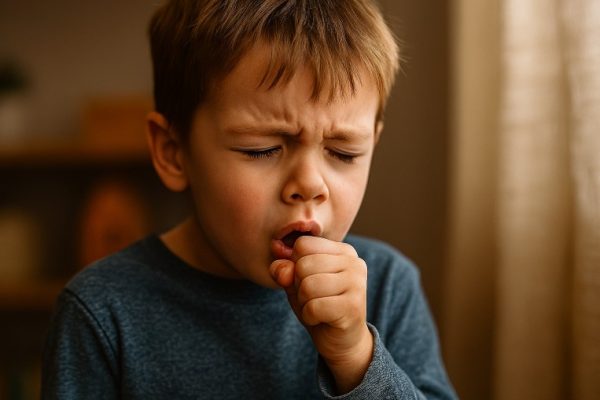
Cough Syrup Crisis In India: What Parents Should Know
Recent events in India have raised alarm over cough syrups that have been linked to the deaths of children. At least 17 children died in Madhya Pradesh after consuming a brand called Coldrif. ColDrif was found to have extremely high levels of diethylene glycol (DEG), a toxic chemical far above safe limit. Two other syrups — Respifresh TR and ReLife — were also found to be contaminated with DEG, though no deaths have been confirmed for those yet.
What are the reasons for this incident?
- Contamination: In this case, DEG is found in the syrup instead of more benign solvents/glycols. DEG is poisonous to kidneys.
- Lax regulation or quality control gaps: Some manufacturing units have not kept up with good manufacturing practices or have had lapses in testing raw materials / final product batches.
- Use of combination medications / over-the-counter use in young children which can lead to misuse or dosing that’s too high. Also, often parents/clinics use cough syrups for viral coughs or mild symptoms where non-drug measures may be sufficient.
How to stay safe?
Here is advice for parents to reduce risk and protect their children given the crisis:
Check what is in the syrup: Always check the batch number, expiry date, and manufacturer on any medicine packaging. Be aware of current advisories and banned batches. If a particular brand or batch has been flagged by health authorities or news media, avoid using it.
Age matters: Many advisories say: Don’t give cough syrup to children under 2 years unless necessary. For children up to 5 years, they use medications only under medical supervision and after evaluating benefits vs risks.
Use only when necessary: Many coughs are self-limiting (they resolve on their own) especially if caused by a viral infection. Rest, fluids, humid air, keeping children comfortable, etc., can do a lot. Don’t combine multiple cough/cold drugs unless specifically prescribed (like, avoid combo syrups with lots of different agents).
Always follow the prescription: Don’t buy or use cough syrup over the counter without a doctor’s advice, especially for younger children. Strictly follow dosage instructions — more isn’t better.
Watch for warning signs: If a child has taken a syrup (especially one from a questionable source), watch for early symptoms like:
- Child isn’t peeing much
- Swelling or puffiness
- Weakness, confusion, drowsiness
- Vomiting, abdominal pain
- Any signs of kidney problems or toxicity
If any of these appear, seek medical help immediately.
Know which syrups are banned / recalled: Keep up with official advisories from DGHS (India), state health departments, WHO, etc. If you find you have a bottle of a drug that has been recalled or banned, stop using it and return/dispose of it according to recommended methods.
Safe storage:
- Keep all medicines in original packaging.
- Store them in places out of reach of children.
- Don’t use syrups after expiry or if the seal is broken or looks tampered with.
If you think a child has been harmed by a cough syrup like took one from a suspect batch or with unusual symptoms:
- Stop giving the syrup immediately.
- Call a doctor or go to a hospital right away. Be ready to tell them: name of syrup, batch number, how much was given and when.
- Ask for tests for kidney function (creatinine, BUN) if advised.
- If possible, save the medicine bottle / packaging to show health professionals or regulatory authorities.
- Report the incident to local health authorities or the drug controller, this helps them trace and prevent harm to others.
Government authorities have banned the sale/distribution of the faulty batches and are investigating/drug manufacturing firms involved. Cough syrup medicines, especially for young children (under ages 2–5), are being viewed with greater caution.
References:
- www.Indiatoday.com
- www.WHO.org
- www.Timesofindia.com
- www.Scroll.in
- www.Thenewindianexpress.com
- Image created using AI copilot 10-10-25
Author: Sumana Rao | Posted on: October 10, 2025
« Previous Article
Next Article »
« Brain Eating Amoeba Infections And Deaths In Kerala India Why Eating Red Rice Is Better For Our Health? »
« Brain Eating Amoeba Infections And Deaths In Kerala India Why Eating Red Rice Is Better For Our Health? »









Write a comment