









 Fusion
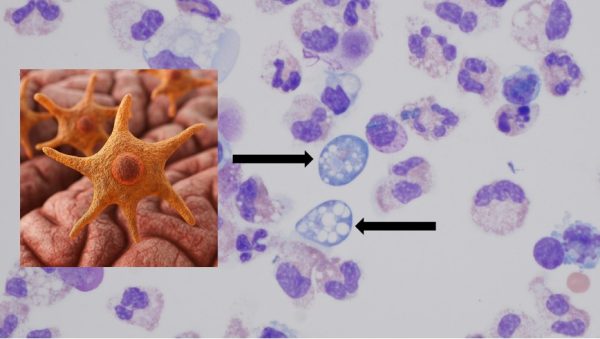
Brain Eating Amoeba Infections And Deaths In Kerala India
There has been a significant increase in cases of amoebic meningoencephalitis -sometimes called “brain-eating amoeba” infection- in Kerala, India, with many cases and a number of deaths reported.
The “brain-eating amoeba” refers to Naegleria fowleri, a microscopic, single cell organism that lives in warm freshwater and soil. The disease it causes in humans is Primary Amoebic Meningoencephalitis (PAM), a rare but always fatal brain infection.
Number of cases and deaths: As of mid-September 2025, Kerala has confirmed 67 cases of amoebic meningoencephalitis this year, with 18 deaths. Among them are multiple deaths in just the past month or so. Cases have been reported from several districts including Kozhikode, Malappuram, Wayanad, Thiruvananthapuram, etc. While many infections are linked to swimming or bathing in untreated or stagnant fresh water, there are also reports of people getting infected even when they did not swim — by bathing, or use of ponds, or wells.
How dangerous is it?
- Fatality rate: Over 95% of cases are fatal worldwide, even with treatment.
- Speed: Symptoms appear within 1–12 days of exposure, and death often occurs within 5–10 days after symptoms start.
- Rarity: Infections are rare, but the outcome is so severe that any suspected case is treated as a medical emergency.
Symptoms of infection (PAM)
Early signs often look like regular meningitis or flu, but worsen extremely fast:
- Initial symptoms (1–3 days after exposure):
- Headache
- Fever
- Nausea, vomiting
- Stuffy or runny nose
- Sensitivity to light
- Progressive symptoms:
- Stiff neck
- Confusion or disorientation
- Seizures
- Hallucinations
- Loss of balance
- Coma
How it spreads?
- Entry point: The amoeba enters the body when contaminated water goes up the nose (e.g., swimming, diving, bathing, or rinsing sinuses with unsafe water).
- It does not spread by drinking water or from person to person.
Prevention tips:
Since treatment is difficult, prevention is the best protection:
Water safety
- Avoid swimming or diving in untreated, stagnant, or warm freshwater (pond, lakes, rivers, wells) especially during hot weather.
- Use chlorinated and well-maintained pools only.
Nasal protection
- Don’t let water enter your nose when bathing, swimming, or playing in freshwater.
- Use nose clips if swimming in natural water bodies.
Household hygiene
- For nasal rinsing (like neti pot for sinus cleaning), use only sterile, distilled, or previously boiled water.
- Chlorinate or disinfect wells and water tanks regularly.
Creating public awareness:
- The Kerala health authorities have issued guidelines: chlorinate wells and swimming pools, ensure proper maintenance of water bodies, clean water storage, avoid letting water enter the nose during bathing/swimming.
- Testing labs have been set up or strengthened (PCR labs capable of detecting several amoebae) to help diagnose earlier.
- Public awareness campaigns are being emphasized.
- Seek immediate medical attention if someone develops meningitis-like symptoms after freshwater exposure. Early diagnosis and aggressive treatment improve survival chances.
References:
- Times of India
- Ndtv.com
- India tv news
- The New Indian Express
- Naegleria fowleri Infections | Naegleria fowleri Infection | CDC
- Image credit: Inset image Copilot AI and Brain cells and amoeba – CDC.gov
Author: Sumana Rao | Posted on: September 17, 2025
« Previous Article
Next Article »
« First Case of Flesh Eating New World Screwworm Parasite Reported In USA Cough Syrup Crisis In India: What Parents Should Know »
« First Case of Flesh Eating New World Screwworm Parasite Reported In USA Cough Syrup Crisis In India: What Parents Should Know »











Write a comment