All posts by Sumana Rao

Don't worry about the people in your past; There's a reason they didn't make it to your future.
Bird flu in India

Four Year Old Infected With Bird Flu In India

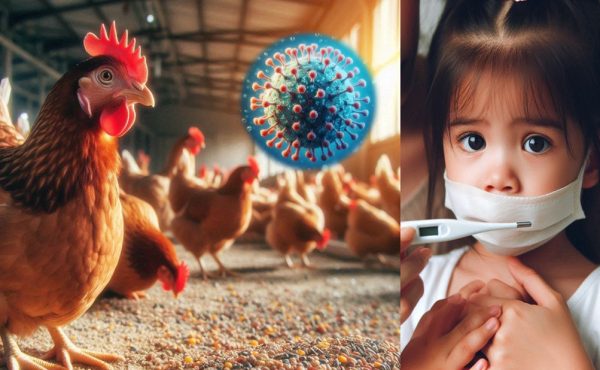
Recently, the International Health Regulations (IHR) National Focal Point (NFP) for India reported to WHO a case of human infection with avian influenza A(H9N2) virus detected in a child resident of West Bengal in India. Child has been recovered and sent home.

WHO expressed deep concern regarding the increasing transmission of H5N1 bird flu to other species, including humans.

This is the second human infection of avian influenza A(H9N2) notified to WHO from India, with the first in 2019. The child has recovered and was discharged from hospital.

According to the IHR (2005), a human infection caused by a novel influenza A virus subtype is an event that has the potential for high public health impact and must be notified to the WHO. Most human cases of infection with avian influenza A(H9N2) viruses are exposed to the virus through contact with infected poultry or contaminated environments.

Avian influenza A (H9N2) is a subtype of influenza A virus that primarily affects birds, including poultry like chickens and turkeys. Occasionally, it can infect humans and other mammals. Here is a general overview of Avian Influenza A (H9N2) and its situation in India:

Avian Influenza A (H9N2) Overview:

· Virus Type: Avian influenza A (H9N2) is a type of influenza A virus commonly found in birds, particularly poultry.

· Transmission: It primarily spreads among birds through respiratory secretions and fecal contamination. Human infections are rare and usually occur after direct contact with infected birds.

· Symptoms in Birds: Infected birds may show symptoms like reduced egg production, respiratory issues, and sometimes mortality, although many infected birds show no symptoms.

· Human Infections: Human infections with H9N2 are generally mild, causing symptoms like seasonal flu -fever, cough, sore throat, headache, muscle aches, fatigue, and conjunctivitis and rarely severe during which breathing can be hard and pneumonia can occur.

· Detection: Swabs of throat and nose followed by series of tests including RT-PCR will help to identify the virus. Serological studies including blood tests will help to identify the antibodies against the virus is essential for determining immune responses and any verifying prior infections of bird flu.

Avian Influenza A (H9N2) in India:

As stated by WHO this is the 2nd bird flu case in India, the first one was reported in 2019. According to Dr. Saurabh Khanna, Lead Consultant, Pediatrics and Neonatology at CK Birla Hospital – “While  H9N2 virus primarily infects birds, it can occasionally infect humans, including children”. The risk of getting bird flu is comparatively low unless children come in contact with a contaminated environment, infected birds, animals, or their secretions. Children are more susceptible to this virus as their immune system will be in development stage unlike adults who have more resistance to the infection. Both in adults and children symptoms remain same, severity of infection will be different.

· Occurrence: H9N2 has been detected in poultry in India, but human cases are uncommon.

· Surveillance: The Indian government conducts surveillance and monitoring of influenza viruses in poultry populations to detect any potential outbreaks or transmissions to humans.

· Prevention and Control: Measures such as vaccination of poultry, biosecurity measures on farms, and restrictions on poultry movement are implemented to control the spread of H9N2 and other avian influenza viruses.

· Public Health Response: Public health authorities in India, like in other countries, emphasize monitoring and rapid response to potential outbreaks to prevent human infections and ensure food safety.

While Avian Influenza A (H9N2) is present in poultry in India, human infections are rare and typically mild. H9N2 is not easily transmitted between humans. However, surveillance and control measures are crucial in managing the virus and minimizing its impact on both animal and human health.

References:

·        Avian Influenza A (H9N2)- India (who.int)

·        https://indianexpress.com/

·        https://www.businesstoday.in/

·        Image credit: Copilot: Generated with AI ∙ June 24, 2024 at 7:32 & 7:39 pm


Author: Sumana Rao | Posted on: June 25, 2024
« »
« »

Recommended for you

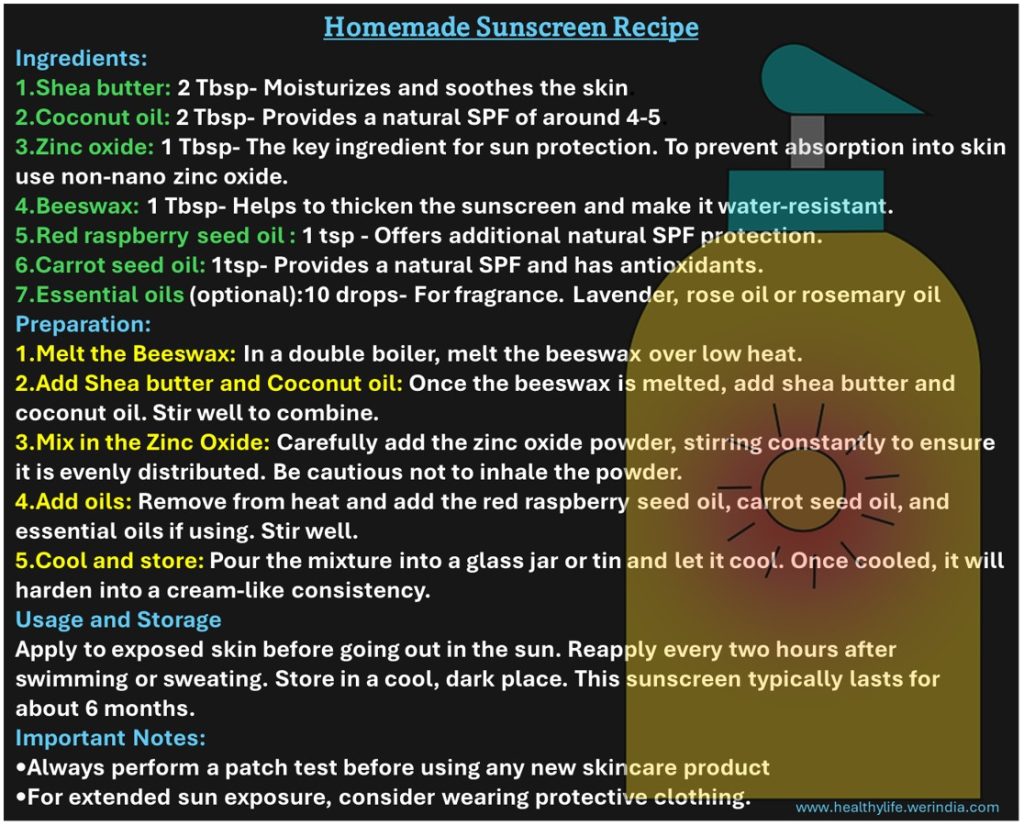
DIY Safe Homemade Sunscreen

DIY Homemade sunscreen recipe
Sunscreen image credit: Image by carolinaca1995 from Pixabay  , Free for use under the Pixabay Content License

Author: Sumana Rao | Posted on: June 24, 2024
« »
« »

Recommended for you

Roasted mango juice

Roasted Mango Juice

Roasted mango juice has a rich, caramelized flavor that is perfect for a refreshing summer drink. Adjust the sweetness and tartness by adding honey and lime juice according to your taste. The process of roasting or charring the mango skin adds a unique flavor and mango juice tastes delightful!

Roasted mango juice recipe

Ingredients:

1.        Ripe mangoes – 2 to 4

2.        Honey (optional, adjust to taste): 2 Tbsp.

3.        Lime juice – 1 Tbsp

4.        Icy water – 1 cup

5.        Ice cubes – few (Optional)

6.        Pepper powder – little

7.        Mint leaves (optional for garnish)

8.        Black salt – little

Preparation:

1.        Char mango skin:

·        If you are using an oven, then,

1)        Preheat the Oven: Preheat your oven to 400°F (200°C).

2)        Prepare the Mangoes: Wash the mangoes thoroughly. Cut the mangoes in half, avoiding the seed. Remove the seed and place the mango halves on a baking sheet with the cut side facing up.

3)        Roast the Mangoes: Place the baking sheet in the preheated oven and roast the mangoes for about 20-25 minutes or until they are caramelized and slightly charred around the edges.

·        If you are using flame to roast mangoes: Wash mangoes and on low or medium flame hold the mangoes and slowly turn over to churn the skin.

2.        After cooling peel, the charred skin and extract the pulp.

3.        Transfer pulp to blender. Blend roasted mango pulp, honey, lime juice, black salt, pepper, and icy water. Add more water depending on your desired consistency.

4.        If you prefer to have smooth juice then, you can strain the juice. Otherwise transfer the juice into glasses, garnish with mint leaves and serve.

Serve immediately or refrigerate the juice for few minutes. Enjoy your refreshing roasted mango juice!

Image credit: www.werindia.com: Generated with AI ∙ June 20, 2024, at 6:53 PM


Author: Sumana Rao | Posted on: June 21, 2024
« »
« »

Recommended for you

How to prevent mold at home

Mold Prevention Tips

Mold can cause severe damage to the house. Having mold infection also means inviting infection inside home.  A small spot of mold that you notice at home, must not be neglected. Act today before it grows and cause problem to house. Why mold grows at home and how to prevent mold growth?

To control mold damage, one has to control the moisture and if any signs of mold growth is there, immediately work on to get rid of the mold.

Where and when can we expect mold?

  1. Humidity: Sometimes depending on location where your live, mold appears in and outside the house walls. Humid conditions can lead to mold growth outside the house.
  2. Leaks: Any type of leaks on and behind wall, water dripping under the sink, water leak from roof can damage the area and mold develops
  3. No air circulation: Fresh air is critical for house as well as for people live inside the house. No airflow leads to stagnant, damp air that supports mold.
  4. If you find water mark on roof, wall paper or feel musty odor – it could be due to hidden leaks from the poor plumbing.
  5. Steam in bathroom: Humidity accumulation in bathroom due to hot shower promotes mold growth. Dampness of wall and curtain causes this issue.
  6. Vents and duct: Moisture in vents an duct support mold growth.
  7. Basement: Having basement is great. In some places basement is used for vehicle parking, and many countries basement is an extra place. Basement is generally the wettest place and one will feel dampness.  If the air is not circulating or not kept dry, if downspouts are not fixed properly it could lead to severe mold.
  8. Water standing: When there is stagnant water and does not drain for long time, mold starts to grow and drainage pipe will turn black. Similarly if the water is sitting in a bottle, vessel or even coffee pot it could lead to mold development
  9. Wet floor and carpets: Dampness in floor and carpet leads to mold. If you are coming inside house in rain or snow boots, step onto floor or carpet or leave shoes on the floor or carpet- small water pool that is created could lead to mold development.
  10. Wet clothes: During rainy seasons drying cloth could be problem. And if the clothes are not dried properly, mold easily grows not only causing dots on cloths also, it gives musty, mildew odor and wearing such clothes could cause itchiness.

Mold prevention tips and preparation of mold removal solutions: First use methods to remove the mold and mold mark. If you don’t know how to remove mold, call professionals to address mold issues. You can also prevent mold growth using following tips.

  1. Check for visible as well as hidden leaks. Call plumbers if you notice any water mark and mildew growth. Any hidden leaks should be fixed properly.
  2. Run exhaust fan in bathroom or if it is safe, open the windows to allow fresh air and sun light to enter.
  3. Run humidifier in basement and if there is dampness in basement, use heater to dry the area.
  4. Remove stagnat water on the floor. Allow it to dry.
  5. Dry wet floor and carpets: Use paper towel or dry towel to suck the water from floor and carpet. Run a room heater to dry the area.
  6. Use wet vacuum and dehumidifier to clean the house and to remove dampness.
  7. Clean house plant trays. Standing water in the trays should be taken out and clean the tray.
  8. Open house windows whenever you can. Daily opening windows is a great idea. This allows fresh air to come in.
  9. Investigate the house from outside. Look at wooden structure, windows, pipes, gutter for mold signs.
  10. Use dehumidifier inside house to remove humidity and moisture.
  11. Clean vent and duct – call professional at least once in two years. Clean vent covers using vinegar and dry it off.
  12. Dry clothes properly. Don’t leave damp clothes anywhere in the house. Use dryer to dry clothes or dry clothes by properly hanging them.

Mold removal solutions: Wear rubber gloves to protect your hands while working with chemicals and other cleaning products. And, Do not mix ammonia and bleach solution ever as it causes toxic fumes breathing of which cause severe sickness.

Here are three mold removal solutions:

  • For kitchen and baths: Use undiluted white vinegar on hard surfaces. 
  • Bleach solution kills mold. To one gallon of water mix one cup of bleach and apply on surface. Leave it for 15 mins and wash using hot water. 
  • Mix ammonia and water at 1:1 solution. Spray on the surface, wait two to three hours, then rinse. 

Having mold infection can cause breathing issue. Those who have low immunity or moderate immunity should not be exposed to mold spores as inhaling mold spores could cause breathing problem. Take all necessary preventive measures to prevent mold growth.

Image credit: Photo by Peter Herrmann on Unsplash (Free for commercial use)


Author: Sumana Rao | Posted on: June 20, 2024
« »
« »

Recommended for you

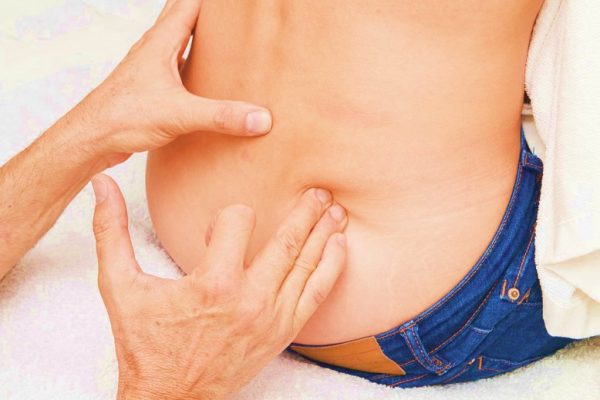
Gluteal tendinopathy hip pain

Lateral Hip Pain Gluteal Tendinopathy Causes, Symptoms And Treatment

Gluteal tendinopathy, also known as gluteal tendinitis or lateral hip pain, is a condition characterized by pain and inflammation of the tendons in the gluteal muscles, particularly the gluteus medius and gluteus minimus. These muscles are located on the outer side of the hip and are important for stabilizing the pelvis during walking, running, and other activities.

Causes: Gluteal tendinopathy is often caused by overuse or repetitive stress, but it can also result from acute injury or trauma. Contributing factors include:

  • Overtraining or sudden increase in physical activity
  • Poor biomechanics, such as excessive hip adduction or internal rotation
  • Weakness in the hip abductor muscles.
  • Prolonged periods of sitting or standing
  • Previous hip or lower limb injuries

Symptoms: The primary symptoms of gluteal tendinopathy include:

  • Pain and tenderness on the outside of the hip
  • Pain that worsens with activities such as walking, running, climbing stairs, or lying on the affected side
  • Stiffness and reduced range of motion in the hip
  • Swelling or warmth over the affected area

Diagnosis: Diagnosis of gluteal tendinopathy typically involves a combination of:

  1. Clinical evaluation, including a physical examination and assessment of symptoms.
  2. Imaging studies, such as ultrasound or MRI, visualize tendon inflammation or damage.
  3. Functional assessments to evaluate hip strength and biomechanics.

Treatment: Treatment for gluteal tendinopathy often includes a combination of conservative measures aimed at reducing pain and inflammation, improving tendon healing, and correcting contributing factors.

  1. Rest and activity modification: Avoiding activities that aggravate the condition and incorporating rest periods.
  2. Physical therapy: Exercises to strengthen the hip abductor muscles, improve flexibility, and correct biomechanics. This may include specific exercises like clamshells, side-lying leg lifts, and hip bridges.
  3. Pain management: Use of nonsteroidal anti-inflammatory drugs (NSAIDs) to reduce pain and inflammation.
  4. Ice therapy: Applying ice packs to the affected area to reduce swelling and pain.
  5. Corticosteroid Injections: In some cases, corticosteroid injections may be used to reduce inflammation and pain.
  6. Extracorporeal shockwave therapy (ESWT): A non-invasive treatment that uses shockwaves to promote tendon healing.
  7. Surgery: In severe or refractory cases, surgical intervention may be considered to repair damaged tendons or correct underlying structural issues.

Prevention: Preventing gluteal tendinopathy involves maintaining good hip strength and flexibility, avoiding overtraining, and addressing any biomechanical issues. Regular exercise, proper warm-up and cool-down routines, and attention to proper technique during physical activities can help reduce the risk of developing this condition.

With appropriate treatment and rehabilitation, most individuals with gluteal tendinopathy can recover fully and return to their normal activities. However, recovery times can vary, and it is important to follow a tailored treatment plan to ensure optimal healing and prevent recurrence.

Image credit: Image by Milius007 from Pixabay (Free for use under the Pixabay Content License)


Author: Sumana Rao | Posted on: June 14, 2024
« »
« »

Recommended for you

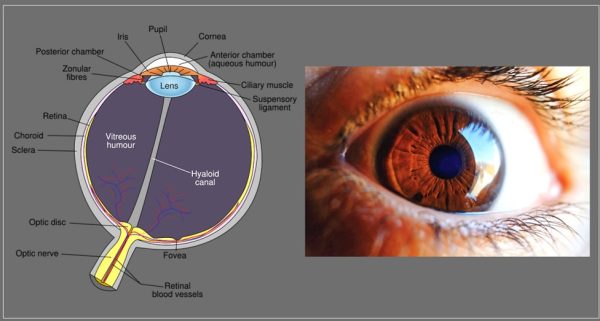
Retinal detachment

Retinal Detachment Symptoms, Precautions and Treatment

Retina is a light sensitive layer of tissue situated in the back of the eye. Retinal detachment is an eye issue that happens when the retina is pulled away from its position at the back of the eye. Retinal detachment is an emergency and need to immediate attention. If not treated on time, more detachment happens resulting in permanent loss of vision.

Symptoms of retinal detachment:

When there is a small detachment, a person may not notice any types of symptoms. If the detachment is more then following symptoms one might face:

  • Small dark spots or blurred lines that float across the eyes. Small floaters in front of the eyes
  • Flashes of light in one or both eyes
  • Experiencing dark shadow on sides or in the middle of the vision field

Who is at risk of retinal detachment?

Some people with certain conditions are more at risk of retinal detachment. But it can also happen to anyone.

  • People who have family with history of retinal detachment
  • Person with serious eye injury
  • An eye surgery like treatment to cataracts
  • Diabetic condition called retinopathy where high blood sugar affects blood vessels of the retina
  • Person with extreme nearsighted condition called myopia
  • A person with posterior vitreous detachment where the gel like fluid in the center of eye pulls away
  • Degeneration or thinning of retina
  • Condition called retinoschisis where retina separates to two layers
  • The most common causes is aging
  • Tumors in the eye
  • Regular inflammation inside the eye
  • Rare eye disorder where abnormal development of blood vessels in retina – coats disease.

The three types of retinal detachment are:

Rhegmatogenous : When the retina has a tear or break, the gel-like fluid in the center called citreous can get behind retina and pushes retina away from the back of the eye.

Tractional: Tractional detachment is when scar tissue on retina pulls retina away from the back of the eye.

Exudative: When the fluid builds up behind the retina, but there aren’t any tears or breaks in your retina

Prevention of retinal detachment:

  • When it is age related there is no way to prevent retinal detachment. But one can lower the risk of the retinal detachment by wearing safety goggles or by protecting eye with eye gear during daily activities.
  • If you are falling in any of the risk factor, it is highly recommended to get your eyes examined. An ophthalmologist will dilate eye and exam the eyes for retinal detachment before it starts affecting the vision.
  • If you suffer from eye trauma it is important to see the eye doctor. Trauma could be an accident to head, hitting eyes, chemicals reaction etc.
  • If you start seeing floaters and black shadows in your vision, immediately make an appointment for eye test.

Tests for observing retinal detachment:

Apart from dilating and examining eyes, your doctor may ask you to go through detailed examination. An ultrasound or optical coherence tomography (OTC) will give details. These tests are painless and will help doctors to understand retina condition.

Treatment for retinal detachment:

Treatment for retinal detachment depends on how much retina is detached and which type of detachment a person is suffering from.

Eye surgery, laser treatment, freezing treatment or treatment to fix tears and reattach retina in the back of eye might be performed. Sometimes doctor might use more than one treatment.

  • Eye surgery: If more retina is detachment a surgery is helpful in putting back retina in place.
  • Freeze treatment or laser surgery: Also known as cryopexy is helpful in fixing tear or small hole in retina by using medical laser or freezing probe tears will be sealed.

If caught early and treated immediately retinal detachment can be taken care to get back the proper vision. If you see floaters, shadows or any symptoms of change in your vision contact your eye doctor today for further testing and protect your vision.

References:

https://www.eyesongenes.com/

https://www.nei.nih.gov/

https://stevegallik.org/

Image credit: Image by Clker-Free-Vector-Images from Pixabay (cc by 0) & Image by Juraj Varga from Pixabay  (cc by 0)


Author: Sumana Rao | Posted on: June 12, 2024
« »
« »

Recommended for you

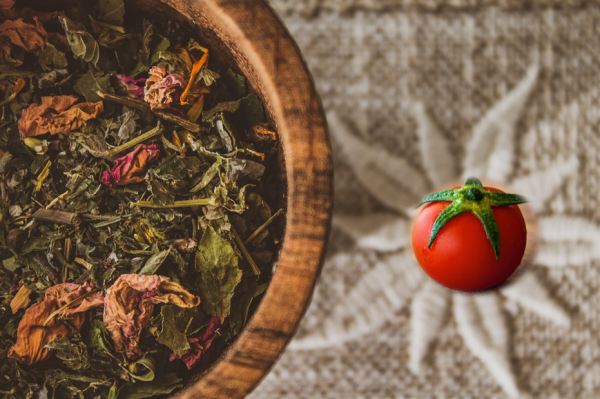
Tomato In Traditional Medicine

Tomato In Traditional Medicine

In various traditional medicine systems, tomatoes have been used for:

·         Digestive Issues: Treating constipation and promoting healthy digestion.

·         Skin Problems: Treating sunburn and minor skin irritations.

·         Detoxification: Believed to help cleanse the body of toxins.

While tomatoes offer numerous health benefits, it is important to consume them as part of a balanced diet and consult healthcare professionals for specific medical conditions.

References:

·         https://www.liveeatlearn.com/tomatoes/#75-types-of-tomatoes-with-photos

·         https://www.healthline.com/nutrition/foods/tomatoes

·         https://www.britannica.com/plant/tomato

·         https://www.thepioneerwoman.com/food-cooking/cooking-tips-tutorials/g40517177/types-of-tomatoes/

·         https://www.gardenstead.com/the-history-of-the-tomato/

image credit: Image by Renáta Adrienn Uri from Pixabay  ( Free for use under the Pixabay Content License)


Author: Sumana Rao | Posted on: June 10, 2024
« »
« »

Recommended for you