All posts by Sumana Rao

Don't worry about the people in your past; There's a reason they didn't make it to your future.
Health of organs

Do You Know These Health Facts

Health of our organs depends on what we eat and habits. Knowing health facts like which factors promotes our health and what causes damages to organs can help us to protect the body.

  1. If you skip breakfast, you will be hurting stomach because prolonged absence of food in stomach leads to acid reflux
  2. If you do not sleep on time and won’t wake up on time, it could lead to a disturbance in gall bladder detoxification.
  3. Drinking not enough water could damage kidneys. Water helps to remove toxins from kidney. Dehydration of kidney leads to stress in kidneys. Keep your kidneys water wise and know how much water one should intake everyday.
  4. Eating cold food could lead to bloating, gas and improper digestion that could harm intestine.
  5. Eating too much spicy food will lead to acid reflux and can harm digestive system
  6. Eating fried items, fast foods, junk food could lead to damage of liver.
  7. Continuous exposure to smoke and tobacco products results in damage of lungs
  8. Too much of salt, oil in food leads to bad cholesterol in body and results in heart conditions
  9. Eating sweets, sugar leads to damage of pancreas. Pancreas makes insulin the hormone that regulates blood sugar. Eating high calorie sweets results in pancreas inflammation.  
  10. Exposure to mobile light and reading on computer and mobile screen leads to damage of retina and poor vision
  11. Always thinking and talking negative about life leads to stress and damages brain cells.

Share these Healthy thoughts with your friends and family to keep them healthy and happy

Image credit: https://pxhere.com/en/photo/946992 (CC by 0)


Author: Sumana Rao | Posted on: January 11, 2022
« »
« »

Recommended for you

Rose twenty health benefits

Here Are Twenty Home Remedies of Rose Plant That You Need To Know

Roses are one of the most beautiful flower on earth and appreciated for both its beauty and fragrance. Some of the roses like paneer roses are known for their fragrance as well as for the beauty. Rose plant has many health benefits. Rose hips (fruits or roses), rose petals, rose water, and rose oil – all are traditionally used for curing many health conditions.

Which are these conditions and how to use rose petals, oil and rose water for various such conditions? Here is a list of rose uses:

1.       Boil rose leaves and petals with fenugreek leaves. Prepare paste and apply on hair to get beautiful hair

2.       Suffering from constipation? Boil water, turn off the heat and add few rose petals, let it steep for couple of minutes, add few drops of ghee and drink the water.

3.       Mix few drops of honey and sandal wood paste to rose water and apply on face to get rid of pimples. This helps to bet beautiful skin.

4.       Add little pepper powder to boiling water with rose petals. Drink this water to reduce burning sensation in stomach. This also helps to reduce cold and running nose.

5.       Soak few almonds overnight. Morning prepare almond and rose petal paste, apply this paste on skin to get healthy, rejuvenating skin.

6.       If you are suffering from mouth ulcers eat rose gulkand. One teaspoon of gulkand per day could help to reduce mouth ulcers, sore throat.

7.       Rose oil helps to get rid of black spots around the eyes. Mix rose oil with a carrier oil like coconut oil and then, apply softly using cotton.

8.       If you are suffering from insomnia, apply few drops of rose oil on a towel and keep it on the pillow and sleep. Slight fragrant odor helps to relax the mind and puts on sloop.

9.       If you have red spots on skin, apply rose petal and sandal wood paste, leave it for an hour or so. Later use warm water to wash. Antibacterial property in rose water helps to reduce acne. Apply rose water to reduce acne and it also helps to get rid of puffiness of skin.

10.   For conjunctivitis – rose water is often used in treating infections. Applying rose water for eye (as eye drops) helps to treat conjunctivitis. Rose water acts as analgesic and antiseptic medicine to cure ocular condition.

11.   Rose water is antidepressant and reduces anxiety. It relaxes the mind and helps to keep calm.

12.   Rose essential oil mixed with carrier oil is a good remedy for headaches. Applying rose oil compressor on head for half an hour to one hour reduces headache and makes person feel better.

13.   Skin rejuvenating property of rose helps to sooth irritated skin and has anti-aging effect. Use rose water, rose paste, or rose oil to treat damaged skin. You can mix any one of these with sandal wood or turmeric powder and prepare paste. Applying any of these mixes will help you look younger.

14.   Rose petal paste is helpful in healing cuts, burns and scars.

15.   Rose petals contains Vitamin C. Rose petal paste is an excellent sunblock. Mix rose petals with cucumber and glycerin – prepare paste and apply on skin before stepping in hot sun.

16.   Rose water is skin toner –Rosewater balances pH. apply rose water on face and gently wipe the face in circular motion to get rid of day dust on the face. Using lukewarm water wash face. You will feel better with smooth skin.

17.   Rose water is also great for scalp. Mix few drops of rose water in lukewarm water. After shampooing, apply this diluted water to hair and scalp. Wash with normal water. This promotes hair follicle health and hair growth.

18.   Rosehip is rich in antioxidants. Fresh rosehip teas is known to protect cells from free radicals. It also has high amount of Vitamin C and hence protects immune system. It also protects skin, reduces body inflammation and pain.

19.   Drinking rosehip tea promotes weight loss Tiliroside is a compound present in rosehip aids weight loss.

20.   Rosehip tea is good for diabetes, it helps to lower blood sugar level.  

Growing rose plant at home is a good idea. For growing rose plant ideal soil, proper sunlight, watering and pest care are essential. Some of the wild roses can prevail cold weather and bloom year after year by producing rosehips.

Image credit:

Rose: www.werindia.com

Rosehip by:  Morn the Gorn – Own work, CC BY-SA 3.0, https://commons.wikimedia.org/w/index.php?curid=9673615

Rosewater: Image by silviarita from Pixabay 


Author: Sumana Rao | Posted on: January 5, 2022
« »
« »

Recommended for you

What is Organ Donation?

Being An Organ Donor

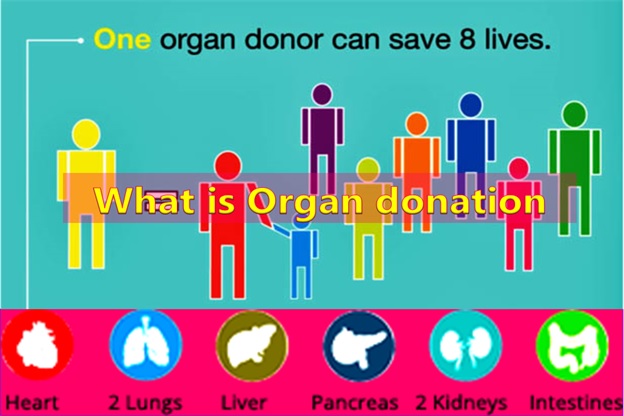
We all are aware of blood, kidney and stem cell donation. Did you know there are other organs one can donate to save lives?  Instead of ruining our organs after death, if we agree to recycle the organs, we can save many lives. One human body can save up to 8 lives and help as many as 50 people!

Organ donation takes healthy organs and tissues from one person for transplantation into another. Experts say that the organs from one donor can save or help as many as 50 people. Most organ and tissue donations occur after the donor has died. But some organs and tissues can be donated while the donor is alive. People of all ages and background can be organ donors. If you are under age 18, your parent or guardian must give you permission to become a donor. If you are 18 or older you can show you want to be a donor by signing a donor card. You should also let your family know your wishes.

Did you know? France recently came out with a law where all French citizens are automatically became organ donors!!

In 1869—First skin transplant performed!!!.

Which organs can we donate?

What Organs Can We Donate?

How the donated organs will save lives?

How An Organ Donation Saves Life?

Why to donate corneas?

Donate Your Sight

Hands and Face Transplantation

Face and Hand Transplantation

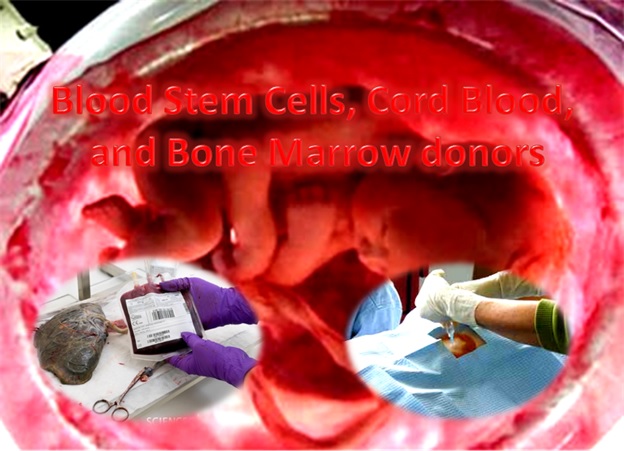
Blood Stem Cells, Cord Blood, and Bone Marrow

Bone Marrow Donors

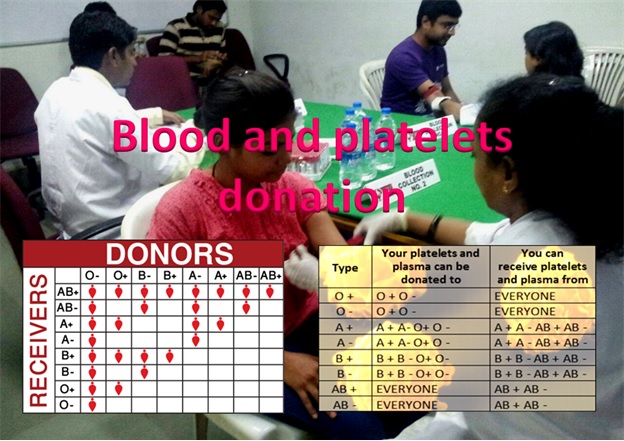
Blood and Platelets Donors

Blood And Platelets Donation

Heart Donation

Heart Donation

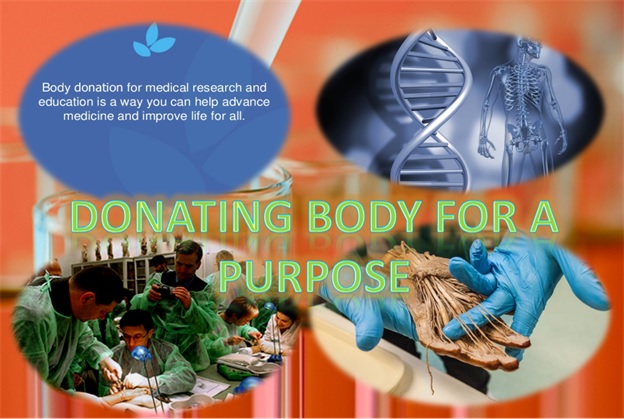
Entire Body Donation

Entire Body Donation

Reference: : https://www.organdonor.gov/


Author: Sumana Rao | Posted on:
« »
« »

Recommended for you

What Organs Can We Donate?

Which organs can we donate?

Most often, organ donors are deceased, but living persons can also donate some organs.

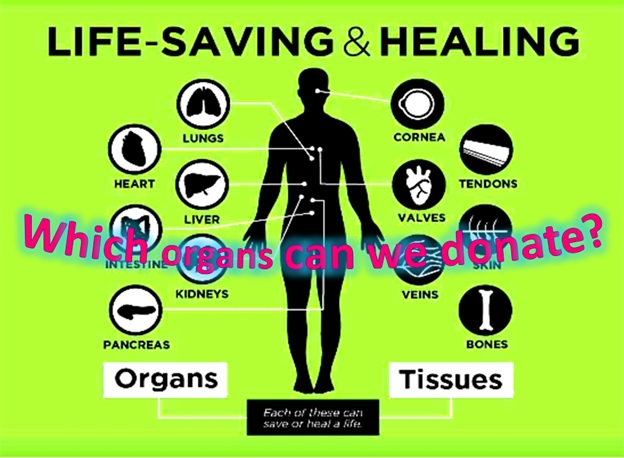
  • Deceased organ donors can donate: kidneys (2), liver, lungs (2), heart, pancreas, and intestines. In 2014, hands and faces were added to the organ transplant list.
  • Living organ donors can donate: one kidney, a lung, or a portion of the liver, pancreas, or intestine.
  • A healthy person can become a ‘living donor’ by donating a kidney, or a part of the liver, lung, intestine, blood or bone marrow.

Did you know?

1983—The Food and Drug Administration approves cyclosporine, which can improve transplant outcomes as its immuno suppressive qualities lessens the potential for organ rejection.


Author: Sumana Rao | Posted on:
« »
« »

Recommended for you

How An Organ Donation Saves Life?

How the donated organs will save lives?

  • Donated tissues save or dramatically improve the quality of life for the people who receive them. As an organ and tissue donor, you can enhance the lives of up to 50 people.
  • Corneas, the middle ear, skin, heart valves, bone, veins, cartilage, tendons, and ligaments can be stored in tissue banks and used to restore sight, cover burns, repair hearts, replace veins, and mend damaged connective tissue and cartilage in recipients.
  • Heart valves can be transplanted to save the lives of children born with heart defects, and adults with damaged heart valves.
  • Skin can be used as a natural dressing for people with serious burns. It can even save lives by stopping infections.
  • Bone is important for people receiving artificial joint replacements, or replacing bone that has been removed due to illness or injury, for example in hand and face transplants.
  • Tendons, the elastic-like cords that attach bones and muscles to each other, can be donated to help rebuild damaged joints.
  • Most people can be tissue donors when they die. The local tissue bank (a tissue recovery organization) will be notified by the hospital, medical examiner or funeral home.
  • Tissue donation must be initiated within 24 hours of death. However, tissue can be processed and stored for an extended period of time.

Author: Sumana Rao | Posted on:
« »
« »

Recommended for you

Donate Your Sight

Why to donate corneas?

The cornea is the clear part of the eye over the iris and pupil. People may have damaged corneas from eye disease, injury, or birth defects. The white part of the eye is called the sclera, and that can be donated as well. The sclera can be used in operations to rebuild the eye. By registering as a cornea donor, you can also leave behind the gift of sight. Here are some facts about cornea and eye donation:

Who can donate?

  • Most people can donate their corneas. Exceptions include people with infections or a few highly communicable diseases such as HIV or hepatitis.
  • Corneal donors do not have to “match” recipients like organ donors do. Donors are universal. Your blood type and eye color do not have to match. Age, eye color and how good your eyesight is, do not matter.
  • Unlike organ donation, corneas can be recovered several hours after death and can be stored. A corneal transplant can be performed within 3-5 days after donation

A corneal transplant involves replacing a diseased or scarred cornea with a new one. More than 95% of all corneal transplants are successful in restoring the recipient’s vision.

Did you know? Corneal transplants first performed was in the year 1905.


Author: Sumana Rao | Posted on:
« »
« »

Recommended for you

Face and Hand Transplantation

Hands and Face Transplantation

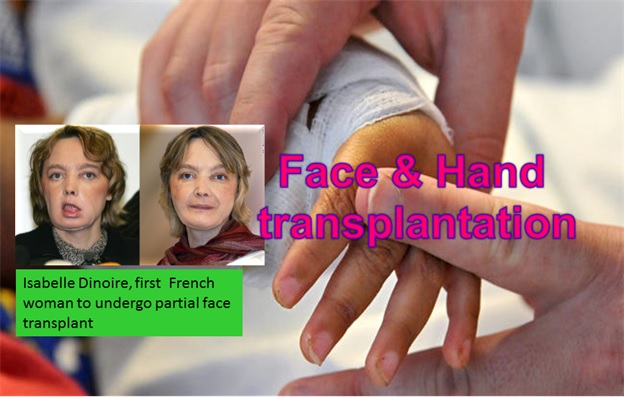
In 2005, the first hand transplants were performed, and in 2007, the first face transplant was performed. Hands and faces have recently been added to the list of organs that can be successfully transplanted.

These complicated surgeries are technically called vascularized composite allografts (VCAs) because they are surgeries composed of grafting many kinds of tissue: bone, muscle, nerves, skin, and blood vessels. Fewer than 125 hand and face transplants have been performed worldwide. Nevertheless, for the people who now have hands to use or a face to show the world, VCA transplants are transforming lives.

Did you know?

2005—First successful partial face transplant performed in France.

2010—First successful full face transplant conducted at Vall d’Hebron Hospital, Spain.


Author: Sumana Rao | Posted on:
« »
« »

Recommended for you