









 Fusion
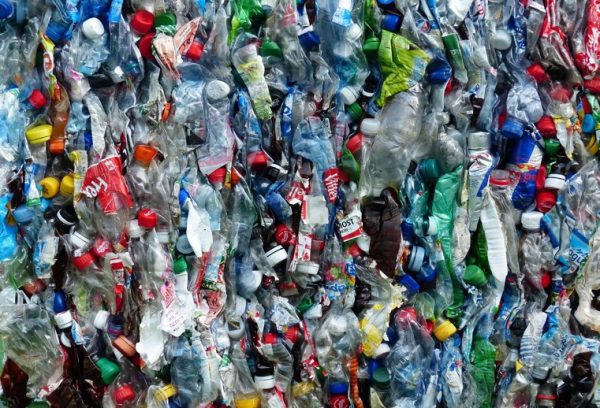
What It Means When Microplastics Are Found in Drinking Sources
Microplastics are tiny plastic fragments less than 5 mm in size, often invisible to the naked eye. They come from the breakdown of larger plastics like plastic bags, bottles, packaging, straw, carry bags or are manufactured at that size like microbeads in cosmetics, fibers from synthetic fabrics. They are one of the major pollutants of our drinking sources.
What is plastic? Plastic is a material that comes from synthetic or human-made organic compounds containing carbon, often made with petroleum, and can come in many shapes, sizes, and colors.
Do you know? Microplastics can come from a variety of sources including larger plastic pieces that have broken apart, resin pellets used for plastic manufacturing, or in the form of microbeads, which are small, manufactured plastic beads used in health and beauty products. (https://oceanservice.noaa.gov/)
Which are different sources from which we might consume microplastic?
- Coffee and tea: Studies have found that brewing tea with plastic-based tea bags can release billions of microplastic particles into a single cup. Similarly, single-use plastic coffee pods, lids, and even filters may shed particles into drinks.
- Water sources: Tap and bottled water worldwide have been shown to contain microplastics, often from degraded plastic pipes, bottles, or environmental contamination. Bottled water can sometimes have even higher levels than tap.
Health implications: Research is still emerging, but microplastics have been detected in human blood, lungs, and placental tissue. Potential risks include:
- Carrying toxic chemicals into the body.
- Causing inflammation or oxidative stress at the cellular level.
- Disrupting ecosystems when these plastics accumulate in water bodies.
- Microplastic can lead to memory loss and Alzheimer’s condition.
How we can help prevent this issue?
As individuals-
- Choose better brewing methods: Use loose-leaf tea with stainless steel or glass strainers instead of plastic-based tea bags. For coffee, prefer stainless steel filters, French press, or compostable paper filters over plastic pods.
- Reduce bottled water use: Opt for filtered tap water and a reusable glass or stainless-steel bottle.
- Avoid plastic cups and lids: Bring your own travel mug or request no lid when possible.
- Minimize single-use plastics: Straws, stirrers, and packaging all add to the problem.
As a community-
- Advocate for safer packaging: Support brands moving to biodegradable or compostable alternatives.
- Encourage regulation: Push for limits on microplastics in food and water, and stricter controls on plastic production and waste.
- Promote clean water infrastructure: Investment in advanced filtration systems at municipal levels can help reduce contamination.
- Raise awareness: The more people understand that everyday items shed plastics, the greater the push for systemic change.
Microplastics in our drinks highlight how deeply plastics have infiltrated daily life. While science is still uncovering the full health impact, prevention is possible through conscious consumer choices, pressure on industry, and systemic policy changes.
Fore more on microplastic in ocean visit: https://oceanservice.noaa.gov/facts/microplastics.mp4
References:
- https://oceanservice.noaa.gov/facts/microplastics.html
- https://www.unep.org/news-and-stories/story/everything-you-should-know-about-microplastics
- https://scitechdaily.com/microplastics-may-trigger-alzheimers-like-brain-damage/
- https://magazine.hms.harvard.edu/articles/microplastics-everywhere
- Image credit: Image by Hans from Pixabay (Free to use under Pixabay content license, published June 4, 2013)
Author: Sumana Rao | Posted on: September 19, 2025
« Previous Article
Next Article »
« Ayurveda Ahara India’s Time Honored Food Wisdom The Pancha Tatva Approach: How Rajasthan Farmer Vinod Dashora Cultivates Papayas Sustainably »
« Ayurveda Ahara India’s Time Honored Food Wisdom The Pancha Tatva Approach: How Rajasthan Farmer Vinod Dashora Cultivates Papayas Sustainably »










Write a comment