HealthyLife is a part of www.WeRIndia.com, an all India – centric website (https://healthylife.werindia.com) and is solely owned and operated by WeRIndia.com. It is a Indian nutritional portal providing educational articles.This nutritional port was launched on February 5th, 2015.
Powerful yoga pose Chaturanga Dandasana
Often referred as low plank pose, Chaturanga Dandasana, Four limbed staff pose is a intermediate yoga pose. It resembles a push up with a difference -dandasana is a straight-line pose where body is aligned correctly and limbs and hands support the body. It is a challenging pose for yogis and takes many practices to get it correct. It is a major component of Vinyasa, Ashtanga and modern power yoga. It is an essential pose of Sun salutation or Surya namaskar. It strengthens and tones arms, wrists, abdominal muscles and lower back. It prepares body for arm balancing poses. It is one of the most desired pose of yogis and once learning accomplished the pose is a powerful tool for full body toner. – Healthylife
Come into Plank pose. Make sure your hands are aligned beneath your shoulders, and distribute your body weight evenly between your hands and feet.
Exhale and bend at the elbows. Slowly lower your body until it’s parallel to the floor, a few inches above your mat, and your arms are at a 90-degree angle. Hold your elbows in close to your ribs.
Engage your abdomen and thighs to maintain length in the spine. Do not let your shoulders come lower than your elbows. (This will help protect your rotator cuff.)
Lower your gaze so you are looking straight down, keeping your neck in line with your spine.
To release, exhale and push up into Upward-Facing Dog. Beginners may lower down to the abdomen, preparing for Cobra pose.
Spring is beautiful season and time to remove clutters accumulated during winter season.
Spring means going outdoors and keeping house doors open, windows open and let the bright Sun light in.
It also means cleaning the house to make it more pleasant and attractive to live.
Here is a list of spring cleaning tips…
Stainless sink: Sprinkle baking soda inside the sink and using a sponge scrub the sink. If needed add salt with baking soda.
Water stains in faucets: Rub lemon half on faucet and remove hard water stains.
Shower head: Remove calcium and mineral deposits by white vinegar. Fill plastic bag/Ziploc with white vinegar and immerse showerhead in the liquid. Secure with rubber band. It takes overnight treatment to remove deposits.
Burnt residue? Place a wet dryer sheet on ceramic top for few minutes and rub the burnt residues
Grill stains: Spray white vinegaronto grates and scrub using half cut onion. Any residues will come out. Use cleaning cloth and remove residues.
Clean glass surface: Use old newspapers to get streak -free look of windows and glasses. Spray water -vinegar- liquid soap mix using a spray bottle on glasses and windows. Clean using newspaper.
Planning to clean furniture? Understand which material your furniture made of and what manufacture labeling says. Upholstery cleaning labels read like this: W: Use water based cleaning solution, S: Dry cleaning solvents only, S-W: Use water based cleaners or dry cleaning solvents. X: Use only vacuum or brush
Cleaning vents: Lot of dust settle down during winter in vent. Use a butter knife and get into places between and behind vents. Wrap knife with thin cloth and clean between slats.
Removing dust from surface: Use old socks for this purpose. Wear socks in hands and run hands on dust surface.
Cleaning ceiling fans: Use old pillow cases to clean fans. Cover blades with old pillows while cleaning so that dust won’t fall on you.
Exhaust fan: Use vacuum cleaner brush or damp cloth. Wipe down blades and non- electric parts.
Table and floor fans: Use vacuum cleaner brush or a duster to clean. Makesure fan is unplugged and clean blades using hair dryer. If grills can be removed, hose them under shower. Dry and put reassemble parts.
Clean floor mats: For outdoor mats apply mild dish soap and water mix using spray bottle. Use a soft bristled brush and loosen the dirt. Use a garden hose and wash mat outside or pour bucket of water and wash. Sun dry the mat. Bath and kitchen mats – can be washed in washing machine.
Light fixtures: Use a stepladder to clean light fixtures. Spray natural cleaner and use clean soft cloth.
Dust bunny removal: Get a dustpan with rubber edge. This helps to pick up the dust bunny. Use right kind of vacuum and remove dust bunny.
Mattresses: Remove dust using vacuum cleaner. Spot clean any stains and deodorize using baking soda. Vacuum baking soda and air it out using natural sun light. Here are more tips to clean mattresses.
Image credit: Photo by Anthony from Pexels (Free for commercial use)
In several Indian villages instead of using sugar for sharabath preparation people use jaggery with light spices. This traditional tropical sharabath gives several health benefits including – cough, indigestion, asthma, arthritis pain, to reduce cholesterol, fat burning, nausea and stomach ache. Another advantage of drinking this juice is it contains jaggery and not sugar. Jaggery is non- centrifugal cane sugar that has molasses and is unrefined sugar. Consuming jaggeryhelps to keep control on allergy, cold and cough. It boosts immune system, detoxifies liver, reduces constipation.
To keep stomach healthy and cool, prepare and drink this fresh fruit traditional tropical sharabath containing jaggery.
Ingredients:
Jaggery – 1 kg
Grated ginger- 1 inch
Black pepper powder – ½ tsp
Coriander powder – ½ tsp
Cardamom powder – ½ tsp
Any fruit juice – 1 cup
Salt – little (less than ¼ tsp)
Preparation:
Add jaggery to 1-liter water and boil to dissolve jaggery. Boiling helps jaggery to give pure aroma.
To boiling jaggery water add grated ginger, coriander powder and pepper powder
Allow it to cool
You can refrigerate this base mix in a glass container.
When you need sharabath, then remove the base mix and prepare juice as below.
Select your choice of fruit – Lemon, watermelon, cranberry, mango, musambi, pineapple, guava, papaya, muskmelon, Indian gooseberry, tomato or your choice of any fruit and prepare fresh juice. Do not add sugar while extracting fresh fruit juice.
Add cardamom powder and pinch of salt and, mix well
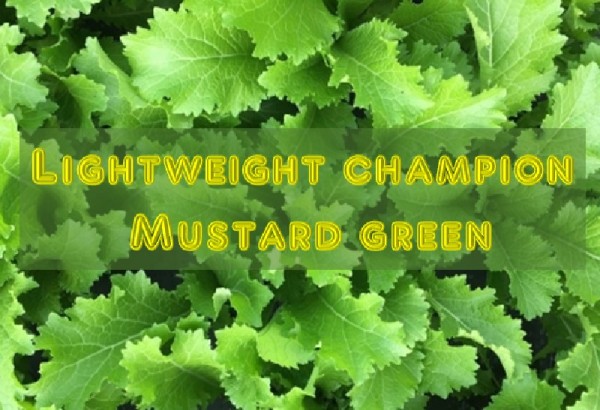
Mustard greens have several health benefits. Mustard greens belong to same family as cabbage. It is considered as lightweight champions of green foods! These green leaves are filled with several goodies! There is no fat and a cup of mustard green supplies only 21 calories!
They are rich source of Vitamins – A, K and C. Vitamin A is essential required for maintaining mucus membrane, Vitamin C needed to fight body invaders and Vitamin K is essential for bone health and nervous system. Vitamin K is also anti-inflammatory agent.
Apart from Vitamins mustard plants are also source of several minerals – magnesium, calcium, zinc, iron, potassium, folate.
It also supplies antioxidants in abundant. Antioxidants helps to prevent cancer and other conditions.
Adding mustard greens in salads supplies good dietary fiber. We know consuming dietary fiber helps in reducing cholesterol and improves heart health. It also has detoxifying effect on system.
Adding mustard greens in food helps to reduce weight and increases overall stamina and health. It reduces chronic illness too.
Consuming mustard greens for lunch or dinner with salad or in a side dish recipe helps digestive system and removes unwanted fat. This will bring body weight down. Include mustard green in your food 2 to 3 times a week to get better results. Here are two quick recipes to get full benefit of mustard greens:
Mustard green crispy salad:Take 2 Tbsp of olive oil, 4 garlic cloves (sliced thin), mustard green leaves – washed, trim about 1 kg, lemon juice 2 Tbsp. Heat oil on tray in oven (300 F). Add garlic and fry to golden brown. It should turn to crispy. Add mustard green and stir – cook for couple of minutes only and add all greens. Continue to mix and stir in between till the leaves become tender and crisp. After 10 minutes add lemon juice, crushed pepper (and or red pepper), sprinkle salt. Mix well. Serve before lunch or dinner.
Another way to eat mustard greens: In a pan add one or two tsp oil and heat on medium heat. Add 1 tsp cumin and half tsp pepper, one green chilli – followed by thin sliced garlic clove and half sliced onion. Fry the ingredients for couple of minutes. Add grated ginger, mustard green and continue frying. Add one cut tomato. Close the lid – let it cook for 5 to 10 minutes. Turn of the heat and allow contents to cool. Puree the contents with little salt. Serve this with your choice of bread, chapathi or rice.
Image: Google
Grandma’s home remedies :www.healthylife.werindia.com
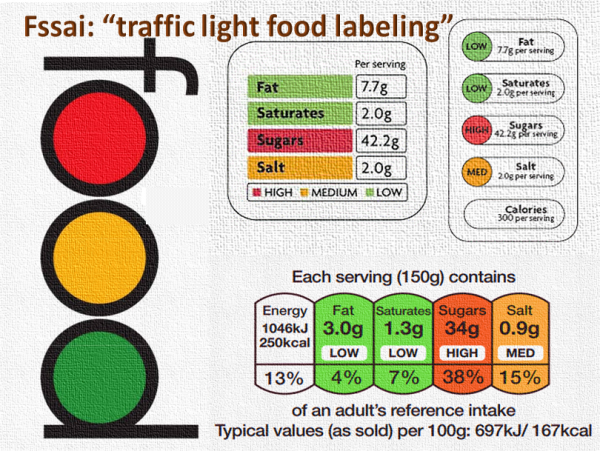
FSSAI Traffic light labeling measure for packaged food & drinks
In continuing efforts to keep citizens safe, FSSAI Food Safety and Standards Authority of India is coming with traffic light food labeling a measure for both drinks and foods.
Food safety, quality and nutritional status of food – concerning about these three key factors a draft regulation proposal states that the packaged food manufacturers and firms are required to declare few key nutritional factors in package. This includes information such as energy in terms of calories, total fat, trans-fat, total sugar and salt per serving as well as per serve percentage contribution to the recommended dietary allowance or RDA.
What will be on traffic light food label?
“Color-coded nutritional information tells at a glance if the food has high, medium or low amounts of fat, saturated fat, sugars and salt. For example, red means high, amber means medium, green means low”.
The packaged food will be categorized for example in red indicating higher level of fat, sugar and salt content. From time to time FSSAI might come up with color coding system for different ingredients.
GM labelingwill be made compulsory to declare genetically modified ingredients in the package with introduction of draft regulation in accord with FSS (food safety standards). All those products that have 5 per cent and more of GM ingredients should be labeled. Total GM ingredients shall be on top three ingredients in terms of the percentage.
Along with this FSSAI also proposed traffic light labeling system for the foods sold in vending machines and school canteens to reduce and curb the consumption of junk foods, processed foods, confectionery and sugary drinks for children.
This proposal will restrict sale of HFSS – high fat, salt and sugar containing foods such as deep fried, sugary drinks, processed foods and confectionary in or within 50 meter of school premises.
About this draft notification of labeling and display 2018, FSSAI is seeking views, comments and suggestions from food industry and stakeholders.
Instead of giving certain jewelries outside for cleaning, we can use some simple techniques to clean jewelriesat home itself. These simple techniques give back shining look and keeps valuable jewelries neat for many months and years. Oil, sweat, dust and oxidation are three main culprits that spoil the look of jewelry and will not look attractive. Grandma has few tips to clean & store jewelry at home:
To remove oil from gems: Use soap and water only. Take gems in hand and slowly using finger tips clean the gems using soap water. Rinse using clean water and dry by placing it on clean paper towel. There is no need to soak them in soap water.
For gold jewelry: Use soap nut powderor soap nut itself. Soap nut is available in herbal shops or with jewelers. Get few dried soap nut and keep them stored for use. While using, burn the soap nut a little and dip in cold water. Take jewelry in hand and rub gently with soap nut or soap nut powder. You can make use of a separate tooth brush for this purpose. You will see foam coming out from the soap nut. After few minutes of cleaning, dip jewelry in clean water and rinse. You will see clean, shiny gold jewelry
For diamonds: Soak diamond jewelries in warm water mixed with few drops of ammonia solution. After 5 to 10 minutes use very soft brush and remove the oil, dust and other particles. Diamonds will come back to original shining with this technique. When you store diamond jewelries and ear studs, put little talcum powderto keep them shining. Powder also absorbs oil from the diamond surface.
Gold and gems jewelry: To clean gems studded in gold, use little white vinegar. Apply vinegar with soft cloth and clean using soft brush. Wash using warm water. Do not soak jewelry containing stones.
Silver items: To clean silver jewelry and silver items use baking soda and aluminum foil. See more here. Pitambari is a powder that is available in many Indian stores. Use pitambari powder to clean silver jewelry as well as vessels and other items. It is not expensive and easy to use at home.
Copper jewelry: To clean copper jewelry use salt and lemon juice mixture. Dip, douse and use water to clean. Dry on soft clothes or paper towel.
Brass jewelry: To clean brass jewelry one can use white vinegar, salt and besan mix. Prepare a paste and use soft brush to apply. Brush softly and clean using water.
Storing: After cleaning any jewelry dry them on soft cloths or paper towel. Before storing make sure all your items are dried thoroughly. Separate necklace, ear studs, finger ring, toe ring, hair clips, individual pendants, bangles, bracelets, pearl jewelry, diamonds etc and store them separate in jewelry box or organizers.
Delicate and thin gold chains should be kept individually and don’t mix them with heavy ones as chains might break by getting stuck to each other.
To store necklace: Store necklaces individually so that they don’t get entangled with each other and makes it easy for you to search for the one for your next wear. Consider hanging them in stands or peg rack on the wall or closet door.
Bracelets and bangles: Use draw organizers or hand bracelets in bangle stands.
Ear rings: Use porcelain cups or earring compartments. Dangling earrings are better to be hang freely in stands.
Grandma’s tips: www.healthylife.werindia.com
Indian jewelry image: https://www.anuradhaartjewellery.com/
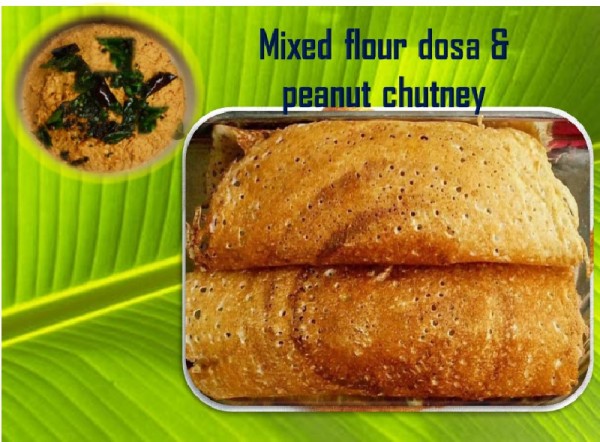
Here is a breakfast or evening snack item prepared using different flour mix and served with peanut chutney. Both recipes are simple and takes less time to prepare. It is easy to digest and fills stomach fast.
Grind coconut, green chilli and cumin with little water to paste
Beat yogurt in a vessel, add grinded coconut paste and mix well.
Mix all flours, semolina, salt and add beaten yogurt coconut mix to batter mix
Add enough water and continue mixing till you get dosa batter consistency. Keep it aside for an hour.
Heat frying pan on medium heat, add oil and get ready with season by adding mustard and curry leaves.
You can add onion to above seasoning and fry to golden brown or add cut raw onion to dosa mix (your choice).
Add seasoning and onion to dosa mix, stir well.
Place non -stick tawa on medium heat, sprinkle little oil evenly
Pour a ladle of dosa batter and spread as thin as possible. Cover with a lid.
After couple of minutes remove lid and turn dosa to cook other side.
Serve hot dosa with peanut chutney for breakfast or evening snack.
Lower the heat and pour a ladle of batter on it.
Peanut chutney preparation:
Ingredients:
Peanut /ground nut – 1 cup
Onion – 1 medium size
Garlic – 1 or 2 cloves
Red chilli – 5
Curry leaves – few
Tamarind – little ( ½ or 1 inch)
Salt – as per your taste
For seasoning: oil, mustard, urad dal, curry leaves, little asafetida
Method:
Dry roast peanuts. You can microwave on a microwave safe plate. Peel skin from roasted peanuts
Place a frying pan on medium heat and add 2 tsp oil. To heated oil add garlic, onion, curry leaves, tamarind and red chilli. Sauté to remove raw odor. Turn of heat and allow contents to cool.
Transfer roasted peanuts and fried ingredients to grinder and grind to a chutney consistency by addling little water.
Get ready with seasoning using oil, mustard, curry leaves, asafetida.
Transfer chutney to vessel and seasoned ingredients to chutney. Mix well, before serving.
Start in Malasana (Garland pose). Bring the torso forward through the inner thighs.
Raise your hips until they are parallel with the floor. Draw your upper arms and shoulders as far under your knees as possible. Then place your hands at the outer edges of your feet, fingers facing forward.
Inhale and draw the torso forward, bringing weight into the palms of your hands. Press through the floor.
Exhale and squeeze your thighs into your upper arms. Wrap your left ankle over your right ankle in front of you.
Take your gaze toward your toes.
Hold Shoulder-Pressing pose for 30 seconds or up to a minute.
To exit, slowly release the ankles with an inhalation. Bend the elbow to settle the feet on the mat. Repeat the pose with the right ankle over the left.





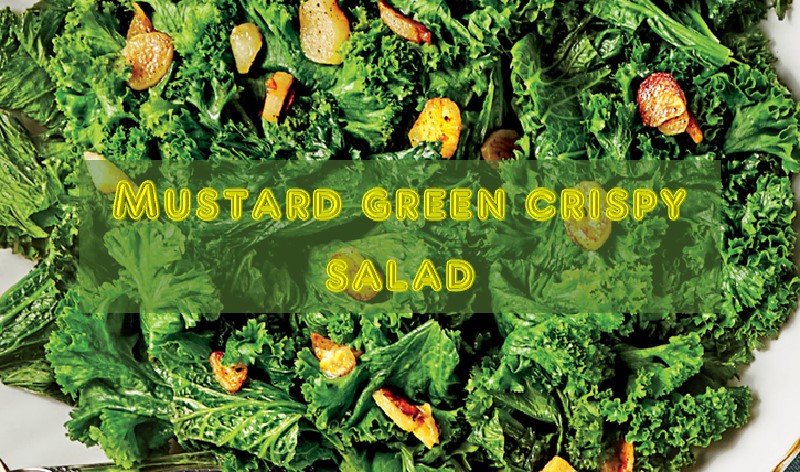 Take 2 Tbsp of olive oil, 4 garlic cloves (sliced thin), mustard green leaves – washed, trim about 1 kg, lemon juice 2 Tbsp. Heat oil on tray in oven (300 F). Add garlic and fry to golden brown. It should turn to crispy. Add mustard green and stir – cook for couple of minutes only and add all greens. Continue to mix and stir in between till the leaves become tender and crisp. After 10 minutes add lemon juice, crushed pepper (and or red pepper), sprinkle salt. Mix well. Serve before lunch or dinner.
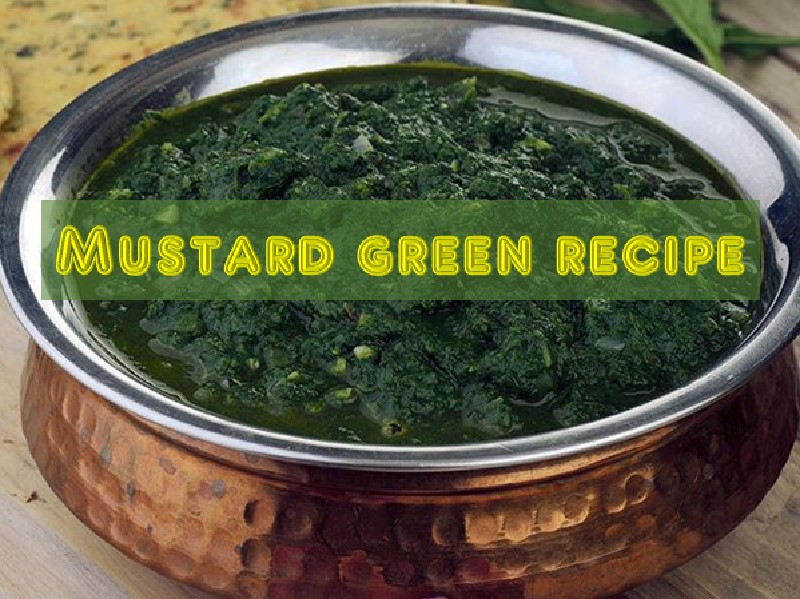 In a pan add one or two tsp oil and heat on medium heat. Add 1 tsp cumin and half tsp pepper, one green chilli – followed by thin sliced garlic clove and half sliced onion. Fry the ingredients for couple of minutes. Add grated ginger, mustard green and continue frying. Add one cut tomato. Close the lid – let it cook for 5 to 10 minutes. Turn of the heat and allow contents to cool. Puree the contents with little salt. Serve this with your choice of bread, chapathi or rice.