All posts by Sumana Rao

Don't worry about the people in your past; There's a reason they didn't make it to your future.
Kale & Spinach

Kale & Spinach

Both Kale and spinach are considered as super veggies.  Both are leafy vegetables and are rich source of chlorophyll. That means are rich source of super nutrients and are considered as heart healthy foods. Spinach contains more Vitamin A, fiber and protein than kale. It also supplies more calcium and Iron. Whereas,  Kale supplies more Vitamin K and vitamin C. It also has lower calories and richer heart-healthy flavanoids. They both contain Omega -3- fatty acids !  And a bonus point is both spinach and kale are good foods to reduce body inflammation and chronic illnesses.  They both are enemies of body fat!

The best way to prepare pungent kale is to make kale chips and blend with other vegetables.

Spinach – can be used as salads, make Indian curry, steam cook with little spices, onions and garlic. Or add to smoothie.


Author: Sumana Rao | Posted on: April 11, 2024
« »
« »

Recommended for you

HEALTHY FOOD FOR HEALTHY LIFE

HEALTHY FOOD FOR HEALTHY LIFE

Whether you are trying to reduce weight by dieting or trying to include low calorie or no calorie food, it is always good to know what type of food that we should include in our diet. Because what we eat is ultimately helps us to stay fit or can ruin our health. Talking about healthy food, some people think that healthy food means they are super foods. But, there is no official definition for super foods. If you are still  looking for super foods that can help you to lose weight, boost your energy, immune system, decrease cholesterol, good for hair and skin, good for kidney, eyes, heart etc. etc.  well, here are foods that you can consider including in daily diet in various farms and combinations. They provide health benefits and much more. They contain good minerals, vitamins and other necessary nutrients that a human body needs. What makes them special? They are easy to digest and easy to cook, makes one happy and, are available most time of the year!

Image credit: Image by Susanne Jutzeler, Schweiz, from Pixabay  (cc by 0)

1. Kale & Spinach – Click to know more

Kale & Spinach

2. Broccoli & Cabbage – Click to know more

Broccoli & Cabbage

3. Carrot & Beetroot – Click to know more

Carrot & Beetroot

4. Ginger & Turmeric – Click to know more

Ginger & Turmeric

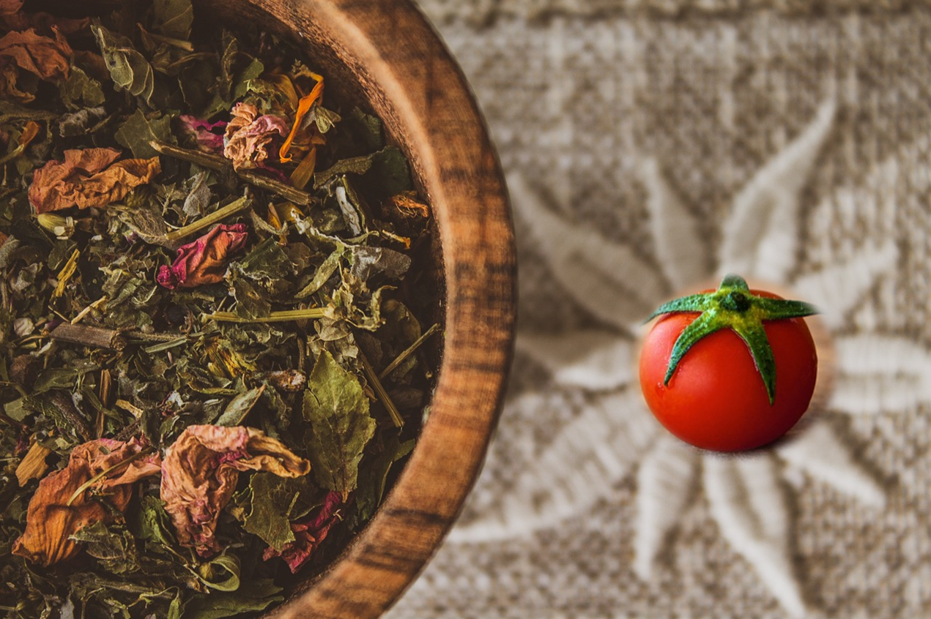
5. Cinnamon & Green Tea – Click to know more

Cinnamon & Green tea

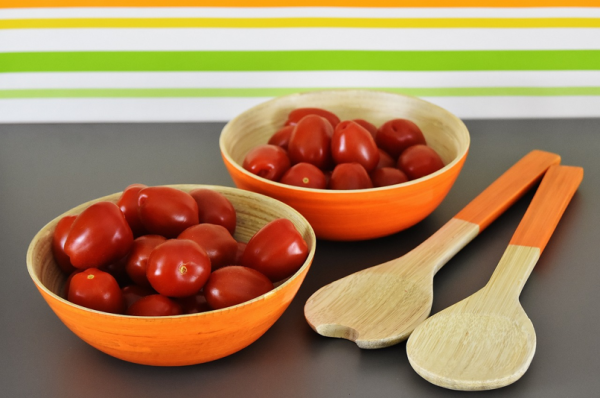
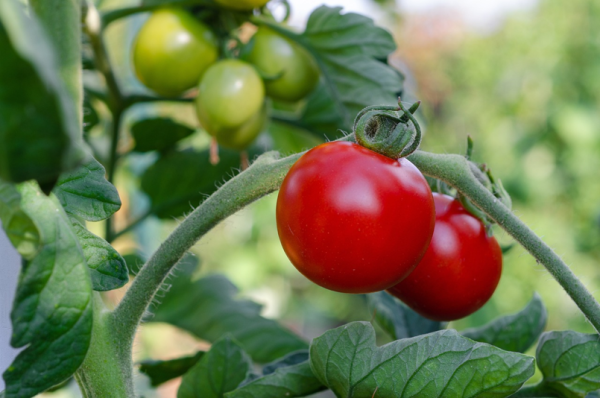
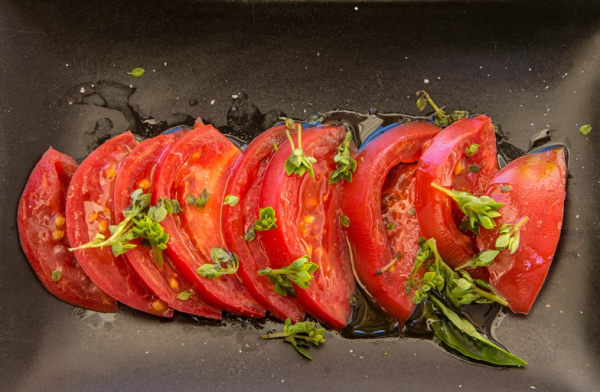
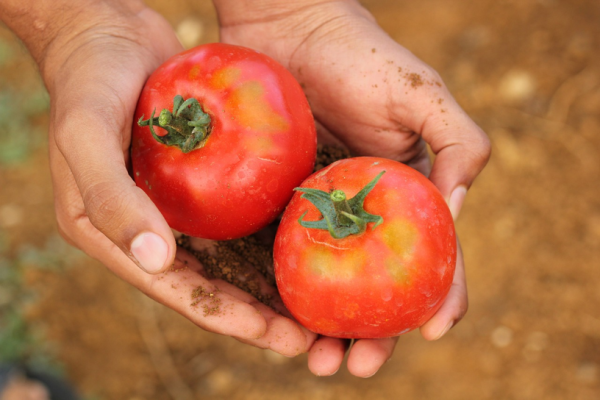
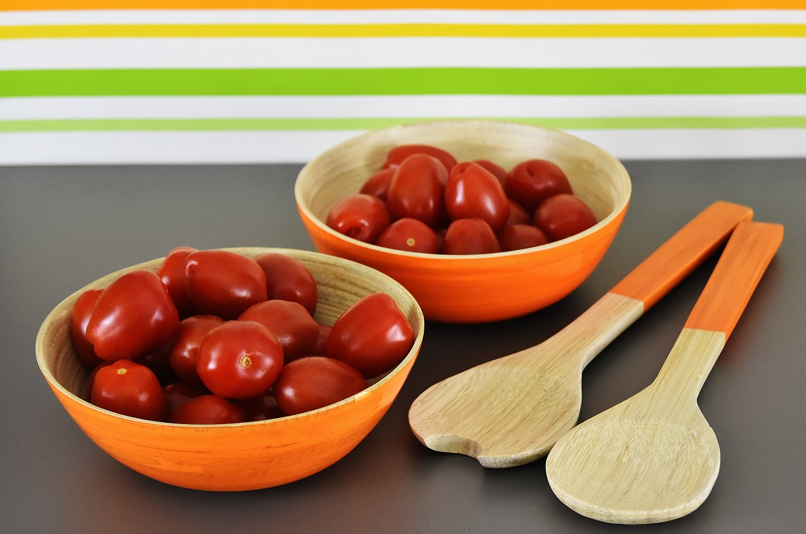
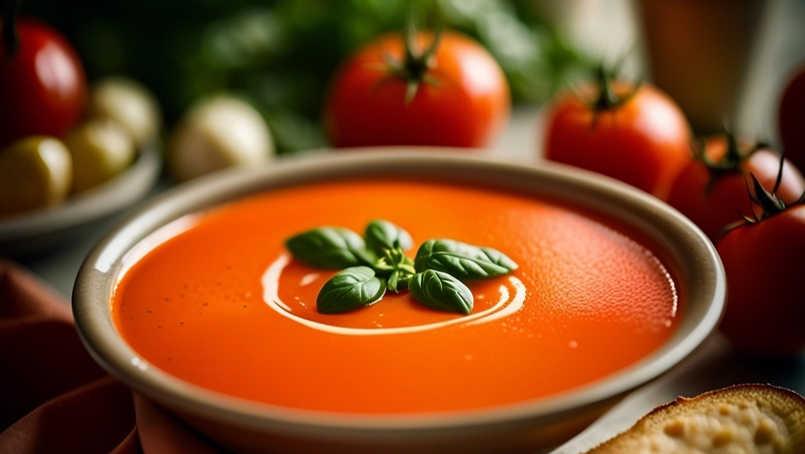
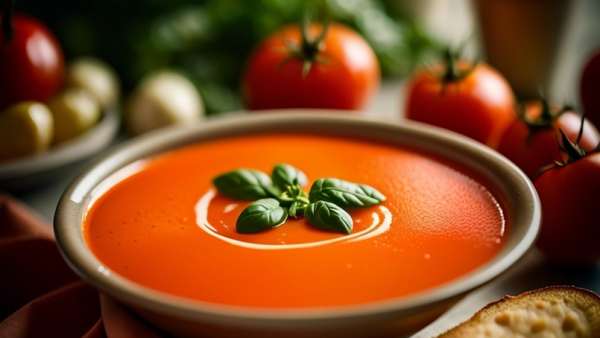
6. Tomatoes and Hot Peppers – Click to know more

Tomatoes & Hot peppers

7. Sweet Potatoes & Beans – Click to know more

Sweet Potatoes & Beans
 

8. Quinoa & Oats – Click to know more

Quinoa & Oats

9. Grapefruits & Blue Berries – Click to know more

Grapefruits & Blue berries

10. Flax seeds & chia seeds – Click to know more

Flax seeds & chia seeds

References:


Author: Sumana Rao | Posted on:
« »
« »

Recommended for you

Cucumber for skin health

Use Cucumber To Keep Skin Healthy This Summer

This summer make use of cucumber to feel your skin cool and great! Cucumber is a great source of important ingredients that benefits our health in various ways. These refreshing and hydrating vegetable can be enjoyed on their own or added to salads, sandwiches, and other dishes. It is also great for the skin due to its hydrating, soothing, and anti-inflammatory properties.

Cucumbers are mainly composed of water, which makes up about 95% of their weight. The remaining 5% includes fiber and various nutrients, such as:

  • Vitamins: Cucumbers are a good source of vitamin K, which is essential for blood clotting and bone health. They also contain vitamin C, an antioxidant that boosts the immune system and promotes skin health.
  • Minerals: Cucumbers contain small amounts of minerals like potassium, which is important for heart health and regulating blood pressure. They also contain magnesium and manganese.
  • Phytonutrients: Cucumbers contain phytonutrients such as cucurbitacin, lignans, and flavonoids, which have antioxidant and anti-inflammatory properties.

Cucumber helps our skin to look and feel smooth and improves health because of following properties:

  • Hydration: Cucumbers are made up of about 95% water, making them an excellent natural hydrator for the skin. Proper hydration is crucial for maintaining skin health and keeping it supple.
  • Antioxidants: Cucumbers contain antioxidants like vitamin C and beta-carotene, which help to combat free radicals that can damage skin cells and accelerate aging.
  • Anti-inflammatory: Cucumber has anti-inflammatory properties, which can help reduce swelling, redness, and irritation, making it suitable for soothing sunburns, acne, and other skin conditions.
  • Skin brightening: The mild bleaching properties of cucumbers can help lighten skin tone and reduce the appearance of dark circles or blemishes.

How to use cucumber for skin: There are six simple ways to use fresh cucumber to improve skin.

  1. Cucumber slices: Simply cut thick slices of cucumber and place them over your eyes to reduce puffiness and refresh tired eyes. You can also place cucumber slices on areas of irritation or sunburn for soothing relief.
  2. Cucumber juice: Blend cucumber into a fine pulp and strain out the juice. Apply the juice directly to your skin using a cotton ball or pad. Leave it on for 10-15 minutes before rinsing off with cool water. This can help hydrate and brighten your skin.
  3. Cucumber face mask: Mix cucumber puree with ingredients like yogurt, honey, or Aloe vera gel to create a hydrating and soothing face mask. Apply the mask evenly to your face, leave it on for 15-20 minutes, then rinse off with lukewarm water.
  4. Cucumber toner: Mix equal parts cucumber juice and rose water to create a refreshing toner. Apply it to your face with a cotton ball after cleansing to help balance your skin’s pH and tighten pores.
  5. Cucumber and oatmeal: Mix cucumber juice with oatmeal and honey. Apply on the skin. Leave it for about half an hour, wash using cold water. This is good remedy for acne prone skin.
  6. Cucumber and Aloe: Prepare a paste of cucumber and Aloe vera gel. Add Olive or coconut oil, mix well. Transfer this to a  container. Apply this on face like cream, leave it for an hour and wash face.

Remember to do a patch test before trying any new skincare ingredient, even the vegetables, especially if you have sensitive skin.

Image credit: https://pxhere.com/en/photo/1615882 CC0 Public Domain


Author: Sumana Rao | Posted on:
« »
« »

Recommended for you

Tinnitus symptoms and prevention

Tinnitus Symptoms, Causes And Prevention

Tinnitus is the perception of noise or ringing in the ears when no external sound is present. It can manifest as ringing, buzzing, hissing, humming, clicking, or whistling sounds, and it may vary in pitch and intensity. Tinnitus is a common condition that affects about 15-20% of people, and it’s especially prevalent among older adults. It can be very distressing and affect a person’s quality of life.

Symptoms of Tinnitus:

  • Hearing noises that are not external: The primary symptom is hearing sounds like ringing, buzzing, hissing, or clicking that others cannot hear.
  • Volume variation: The loudness of these sounds can fluctuate and may be more noticeable at night or in quiet environments.
  • Pulsatile Tinnitus: Some individuals experience a pulsing sound that beats in time with their heartbeat.
  • Impact on daily life: Difficulty concentrating, sleeping problems, and emotional distress are common among those with severe tinnitus.

Causes and risk factors:

  • Hearing loss: Aging and exposure to loud noise can damage the inner ear, leading to hearing loss and tinnitus.
  • Ear and sinus infections: These can increase fluid pressure in the ear, causing tinnitus.
  • Earwax blockage: Accumulation of earwax can cause hearing loss or irritation of the eardrum, leading to tinnitus.
  • Medications: Certain medications, including some antibiotics, cancer medications, and high doses of aspirin, can cause or worsen tinnitus.
  • Other health conditions: Cardiovascular issues, diabetes, TMJ -The temporomandibular joint- disorders, and thyroid problems can contribute to tinnitus.

Prevention and management:

  1. Protect your ears: Use hearing protection in loud environments, such as concerts or industrial settings, to prevent damage to your hearing.
  2. Limit exposure to loud noises: Lower the volume on personal audio devices and limit the duration of exposure to loud sounds.
  3. Manage stress: Stress and anxiety can exacerbate tinnitus, so techniques like meditation, deep breathing, and counseling may help manage its impact.
  4. Healthy lifestyle: Regular exercise and a healthy diet can help prevent conditions that might lead to tinnitus.
  5. Regular hearing checks: Especially if you’re exposed to loud noises regularly or at risk of hearing loss.
  6. Avoid ototoxic medications: If possible, avoid medications known to cause or worsen tinnitus. Always discuss with your doctor for alternatives.
  7. Sound therapy: Using white noise machines, hearing aids, or sound therapy can help mask the noise and make tinnitus less noticeable.
  8. Tinnitus retraining therapy (TRT): A type of counseling that aims to help people habituate to their tinnitus, making it less bothersome.

While there is currently no cure for tinnitus, the above preventive measures can significantly reduce its impact on your life. If you are experiencing tinnitus symptoms, it is important to consult a healthcare professional for a proper diagnosis and tailored treatment plan.

Image credit: https://pxhere.com/en/photo/595446 CC0 Public Domain


Author: Sumana Rao | Posted on: April 10, 2024
« »
« »

Recommended for you

Pollen allergy protection

Ways To Prevent Exposure To Pollens

Spring is the season when plants starts flowering and show beautiful colors to the world. However, if you are allergic to pollen then you might not enjoy watching them. How do you know you have pollen allergy? Generally speaking – if you are having itchy, watery eyes and running nose, then you are allergic to pollen. One way to find out whether you are allergic to pollens is going through doctor prescribed test. If you are allergic to pollens then, protecting yourself from pollen, especially during peak allergy seasons, can make a significant difference in comfort and health for those sensitive or allergic to it. Here are ways to minimize exposure to pollen dust and alleviate symptoms:

1. Stay informed

  • Check Pollen Counts: Monitor local pollen forecasts and try to stay indoors when counts are high. Many weather-related websites and apps provide daily pollen levels.

2. Limit outdoor activities:

  • Choose timing wisely: Pollen levels are often highest in the early morning and on dry, windy days. Plan outdoor activities for late afternoon or after a rain, when pollen counts are lower.
  • Wear protective gear: If you need to be outside, sunglasses can help protect your eyes from pollen, and a mask can reduce inhalation of pollen particles.

3. Create a pollen-free indoor environment:

  • Keep windows closed: Use air conditioning in your home and car to filter out pollen, rather than opening windows or using window fans.
  • Clean air filters regularly: Replace or clean the air filters in your home’s heating, ventilation, and air conditioning (HVAC) system and in your vacuum cleaner.
  • Use air purifiers: Consider using air purifiers with HEPA filters to reduce indoor pollen.
  • Minimize Indoor Plants: Some indoor plants can contribute to indoor pollen, so choose them wisely or limit their number.

4. Personal hygiene and clothing:

  • Change and wash clothes: After being outdoors, change your clothes and take a shower to wash pollen from your skin and hair before going to bed.
  • Do laundry regularly: Wash bedding and clothes in hot water to get rid of pollen.

5. Diet and hydration:

  • Stay hydrated: Drinking plenty of fluids can help thin mucus, alleviating congestion and irritation caused by allergies.
  • Healthy diet: Some foods can help fight inflammation and bolster your immune system. Fruits and vegetables rich in antioxidants and omega-3 fatty acids, like salmon and flaxseed, can be beneficial.

6. Over-the-Counter and prescription medications:

  • Antihistamines: Can help relieve sneezing, itching, runny nose, and watery eyes.
  • Decongestants: Useful for temporary relief of nasal stuffiness.
  • Nasal sprays: Steroid nasal sprays can reduce inflammation and are effective for many people.
  • Eye drops: Can relieve itchy, watery eyes.

7. Consult a healthcare provider:

  • Allergy testing: If you’re unsure what triggers your allergies or if over-the-counter medications aren’t effective, consider seeing an allergist for testing.
  • Immunotherapy: In some cases, allergy shots may be recommended to desensitize your immune system to specific allergens.

Implementing these tips can significantly reduce your exposure to pollen and alleviate the symptoms of pollen allergies. Always consult with a healthcare provider for personalized advice and treatment options.

Image credit: https://pxhere.com/en/photo/1158717 (CC0 Public Domain)


Author: Sumana Rao | Posted on: April 5, 2024
« »
« »

Recommended for you

Adolescent girls nutrition

Parents, Improving Nutrition In Adolescent Girls Is Critically Important

Adolescence is a period of rapid growth and development, second only to infancy. Adequate nutrition is essential to support this growth, including the development of bones, muscles, organs, and other tissues. Young girls due to hormonal changes face many challenges including body image. To boost their development and keep up their confidence parents must focus on their nutrition. Here are reasons why giving importance to nutrient intake of adolescent girls is important and how to bring the changes.

Focusing on nutritional quality of adolescent girls is important for these reasons

  • Prevention of nutrient deficiencies: Adolescent girls are at increased risk of nutrient deficiencies due to their elevated nutritional needs during growth spurts, as well as factors like menstruation, which can lead to iron deficiency anemia if not properly addressed. Ensuring they receive adequate nutrients can prevent deficiencies that may have long-term consequences on their health.
  • Cognitive development: Proper nutrition is essential for cognitive development and academic performance. Nutrient-rich foods provide the energy and nutrients necessary for optimal brain function, concentration, and memory, all of which are important during adolescence, a critical period for learning and cognitive growth.
  • Immune function: Adequate nutrition supports a healthy immune system, helping adolescent girls fend off infections and illnesses. Nutrient deficiencies, on the other hand, can weaken the immune system, making them more susceptible to infections.
  • Establishing healthy habits: Adolescence is a formative period when lifelong dietary habits are established. Encouraging healthy eating habits during this time can set the stage for a lifetime of good nutrition and overall health.
  • Bone health: Achieving optimal bone mass during adolescence is crucial for preventing osteoporosis and fractures later in life. Adequate intake of calcium, vitamin D, and other bone-building nutrients is essential for maximizing bone density during this period of rapid bone growth.
  • Reproductive health: Proper nutrition is important for reproductive health in adolescent girls. Nutrient deficiencies can affect menstrual regularity and fertility. Additionally, achieving a healthy weight and nutritional status is important for a healthy pregnancy and childbirth later in life.
  • Prevention of chronic diseases: Healthy eating habits established during adolescence can help prevent the development of chronic diseases such as obesity, type 2 diabetes, cardiovascular disease, and certain types of cancer later in life.
  • Mental health: Nutrition plays a role in mental health and well-being. A balanced diet can help regulate mood and energy levels, reducing the risk of mood disorders such as depression and anxiety, which are common during adolescence.
  • Overall well-being: Good nutrition is essential for overall health and well-being, including physical, mental, and emotional aspects. By ensuring adolescent girls receive adequate nutrients, we support their overall health and help them thrive during this critical stage of development.

Ways to improve nutritional quality for adolescent girls:

Balanced diet education: Providing education on the importance of a balanced diet rich in fruits, vegetables, whole grains, lean proteins, and healthy fats is essential. Teaching them about portion control and the benefits of various food groups can help them make informed dietary choices.

  1. Iron-rich foods: Adolescent girls are at higher risk of iron deficiency due to menstruation. Encouraging the consumption of iron-rich foods such as lean meats, poultry, fish, beans, lentils, fortified cereals, and dark leafy greens can help prevent iron deficiency anemia.
  2. Calcium and Vitamin D: Adequate intake of calcium and vitamin D is essential for bone health, especially during adolescence when bone growth is at its peak. Encourage the consumption of dairy products, fortified plant-based milk alternatives, leafy greens, and fortified foods.
  3. Healthy snack options: Encourage healthier snack options such as fruits, vegetables with hummus or yogurt dip, nuts, seeds, and whole-grain crackers instead of sugary or processed snacks.
  4. Limit sugary beverages and junk food: Limiting the consumption of sugary beverages, fast food, and processed snacks high in sugar, salt, and unhealthy fats can help improve overall nutrition.
  5. Hydration: Promote adequate hydration by encouraging the intake of water throughout the day. Limiting the consumption of sugary drinks and caffeinated beverages is also important.
  6. Regular meals and snacks: Encourage regular meals and snacks to prevent skipping meals, which can lead to overeating later in the day or poor food choices.
  7. Family meals: Encourage family meals whenever possible, as they provide an opportunity for bonding and role modeling of healthy eating habits.
  8. Involvement in food preparation: Involving adolescent girls in meal planning and preparation can increase their interest in nutritious foods and empower them to make healthier choices.
  9. Regular physical activity: Promoting regular physical activity is essential for overall health and can complement efforts to improve nutrition. Encourage participation in sports, recreational activities, or regular exercise routines.
  10. Addressing body image concerns: Be mindful of body image issues that may arise during adolescence and promote a positive body image. Encourage girls to focus on health and well-being rather than unrealistic body ideals.
  11. Seek professional guidance: In cases where dietary changes alone may not be sufficient, or if there are underlying health concerns, seeking guidance from a registered dietitian or healthcare provider is recommended.

Improving nutrition in adolescent girls is important for promoting growth and development, preventing nutrient deficiencies and chronic diseases, supporting academic performance and mental health, and establishing lifelong healthy habits.


Author: Sumana Rao | Posted on: April 4, 2024
« »
« »

Recommended for you

Smells that repel mosquitoes

These Natural Plants Smell Repels Mosquitoes

Mosquitoes are repelled by several smells, mostly from essential oils and plants. These smells can effectively deter mosquitoes from lingering around your living spaces. Here are some of the most notable plants that repel mosquitoes:

  1. Citronella: Perhaps the most well-known mosquito repellent, citronella oil is derived from the leaves and stems of different species of Cymbopogon (lemongrass). Citronella candles and torches are popular in outdoor settings.
  2. Eucalyptus: Studies have shown that eucalyptus oil, especially lemon eucalyptus oil, is effective at repelling mosquitoes. It’s often used in commercial repellent products.
  3. Lavender: Not only do mosquitoes dislike the smell of lavender, but growing it in your garden can also add a lovely fragrance to the air. Lavender oil can be applied to the skin, after being diluted, for added protection.
  4. Peppermint: The strong scent of peppermint oil is unappealing to mosquitoes. It can be used on the skin (diluted) or planted around outdoor living areas.
  5. Tea Tree Oil: Known for its antiseptic properties, tea tree oil also acts as a natural insect repellent. Its strong smell is believed to repel mosquitoes, although it might not be as long-lasting as other oils.
  6. Lemongrass: Closely related to citronella, lemongrass contains citral, an essential oil that is offensive to mosquitoes. Planting lemongrass in your garden or using lemongrass oil can help keep these pests at bay.
  7. Thyme: Both the plant and the oil are excellent at repelling mosquitoes. Burning thyme leaves can offer protection for short durations, especially outdoors.
  8. Catnip: Studies have found that catnip, due to its nepetalactone content, can be more effective than DEET, a common ingredient in chemical repellents. Catnip plants can be grown in gardens or used as an essential oil.
  9. Basil: Not only is it great for cooking, but basil also emits a scent that mosquitoes don’t like. Keeping basil plants around can help reduce the number of mosquitoes in the area.
  10. Garlic: While eating garlic might give you a bit of protection (mosquitoes are said to be deterred by the scent of garlic on your breath and pores), using garlic sprays in your yard is another natural way to try and keep mosquitoes at bay.

While these scents can help repel mosquitoes, they might not be 100% effective on their own, especially in areas with high mosquito populations. Combining these natural repellents with other methods, such as removing standing water where mosquitoes breed, can offer better protection.

Image credit: https://pxhere.com/en/photo/1113970 (CC0 Public Domain)


Author: Sumana Rao | Posted on: April 2, 2024
« »
« »

Recommended for you