All posts by Sumana Rao

Don't worry about the people in your past; There's a reason they didn't make it to your future.
Which Type Of Oat We Should Chose For Daily Consumption

Which Type Of Oat We Should Chose For Daily Consumption?

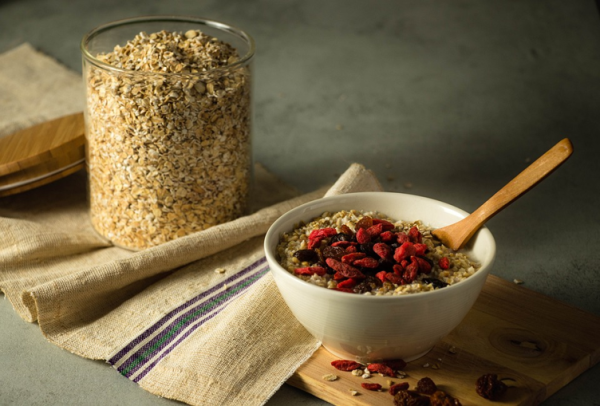
To maximize nutrient benefits, choose minimally processed oats like steel-cut or rolled oats, and avoid instant oats with added sugar or flavorings. For optimal health, steel-cut oats are ideal due to their higher nutrient retention and low glycemic index. Rolled oats are a great compromise if you are short on time but still want a healthy option. 

  • Best for Blood Sugar and satiety: Steel-cut oats. 
  • Best for convenience: Rolled oats (plain versions). 
  • Avoid pre-packaged instant oats: They often contain unnecessary additives. 

Tips for oat consumption: 

  • Soak oats: Soaking improves digestibility and reduces phytic acid, enhancing nutrient absorption. 
  • Pair with protein or healthy fats: Add nuts, seeds, or a boiled egg for a balanced meal. 
  • Avoid excess sugar: opt for fresh fruit, spices, or natural sweeteners to flavor your oats. 
  • Certified gluten-free: If you are gluten-sensitive, choose certified gluten-free oats. 

Enjoy oats in a way that fits your lifestyle and taste preferences—they are endlessly adaptable! 

Image credit: Image by tangyi178 from Pixabay (Free to use under Pixabay Content License) 


Author: Sumana Rao | Posted on: November 29, 2024
« »
« »

Recommended for you

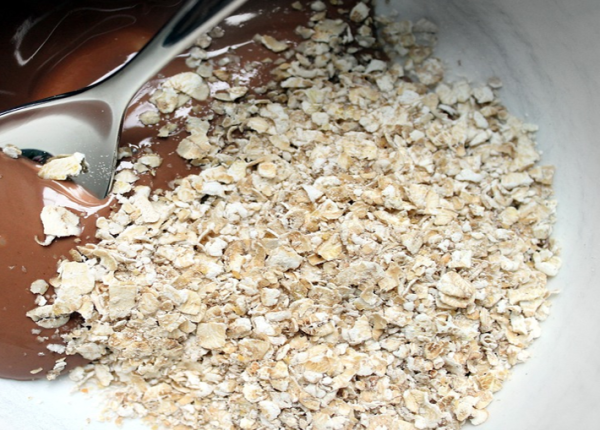
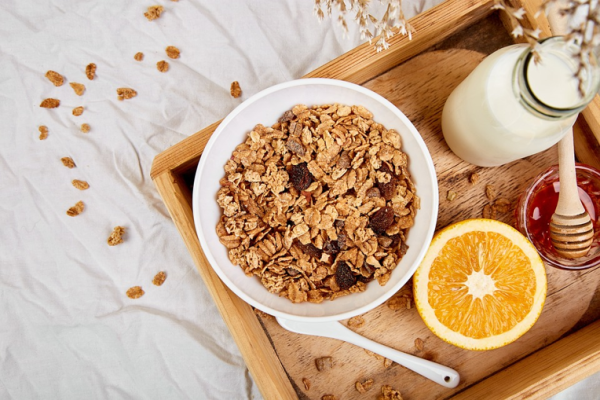
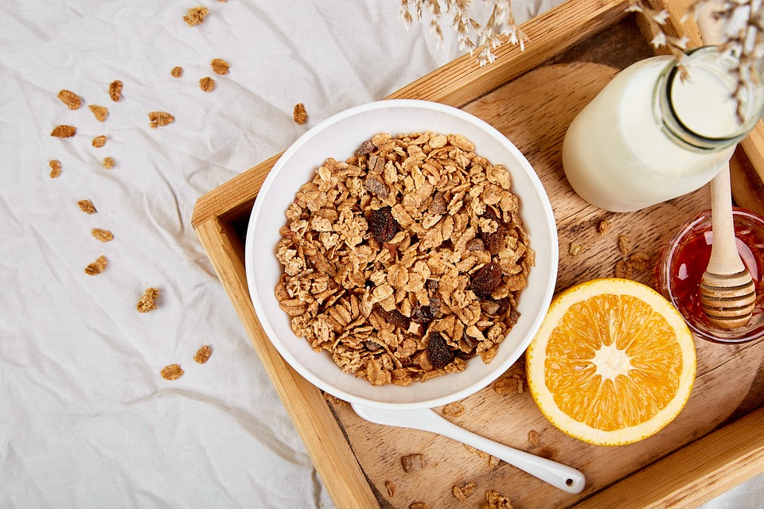
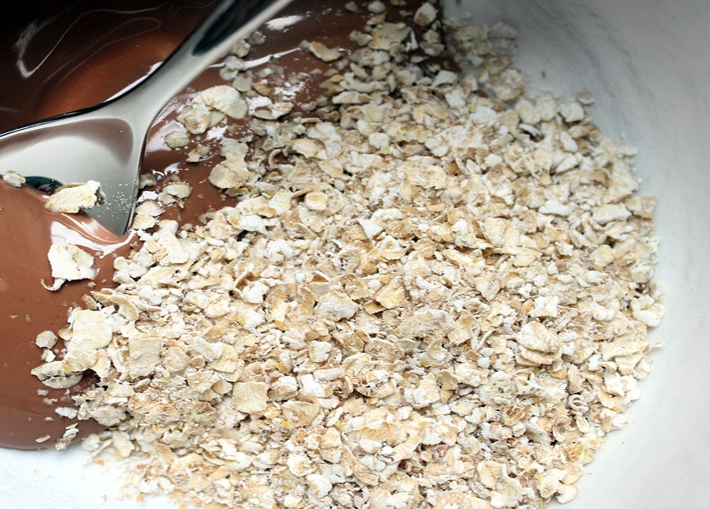
Instant Oats

Instant Oats

Also known as quick oats 

  • Processing: Pre-cooked, dried, and rolled thinner than rolled oats. 
  • Benefits
    1. The quickest to prepare; just add hot water or microwave.
    2. Convenient for busy mornings. 
  • Drawbacks: 
    1. Higher GI, causing quicker spikes in blood sugar.
    2. Often comes pre-packaged with added sugar, salt, or flavorings—read labels carefully. 

Image credit: Image by FlitsArt from Pixabay (Free to use under Pixabay Content License) 


Author: Sumana Rao | Posted on:
« »
« »

Recommended for you

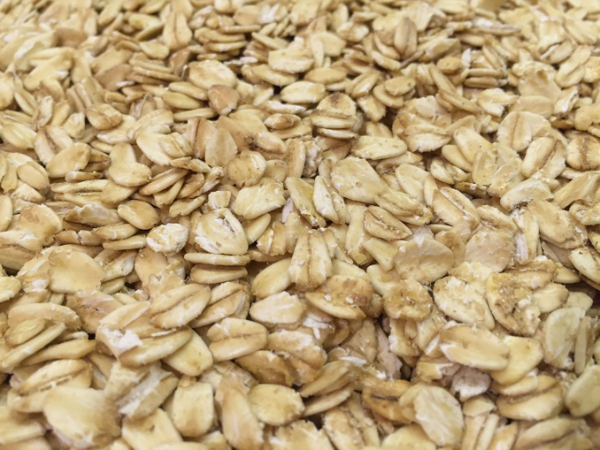
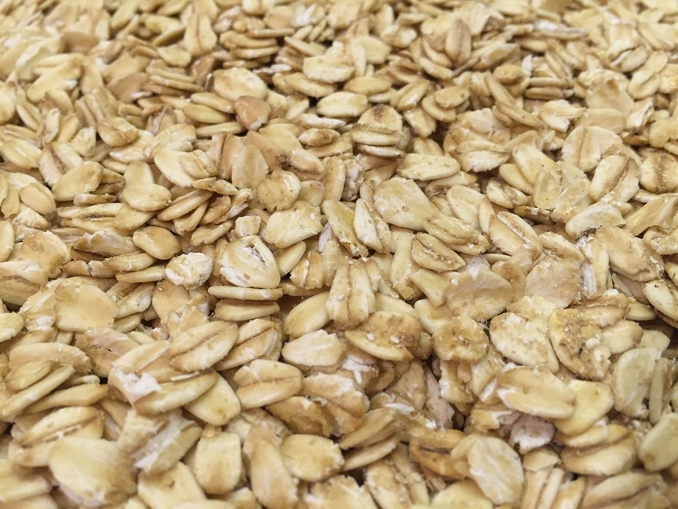
Rolled Oats

Rolled Oats

Also known as old-fashioned oats 

  • Processing: Steamed and flattened oat groats. 
  • Benefits:
    1. Still nutritious, retaining most of the fiber and protein.
    2. Moderate GI; provides a balance between slow digestion and convenience. 
    3. Cooks faster (5–10 minutes) and is versatile in recipes like oatmeal, granola, and baking. 
  • Drawbacks
    1. Slightly less fiber compared to steel-cut oats due to processing. 

Image credit: Yonygg, CC BY-SA 4.0 <https://creativecommons.org/licenses/by-sa/4.0>, via Wikimedia Commons 


Author: Sumana Rao | Posted on:
« »
« »

Recommended for you

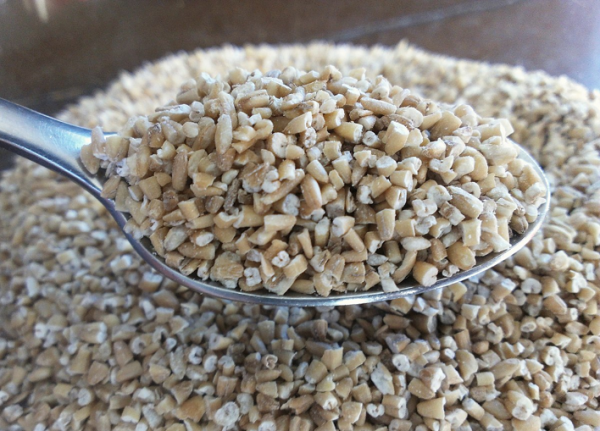
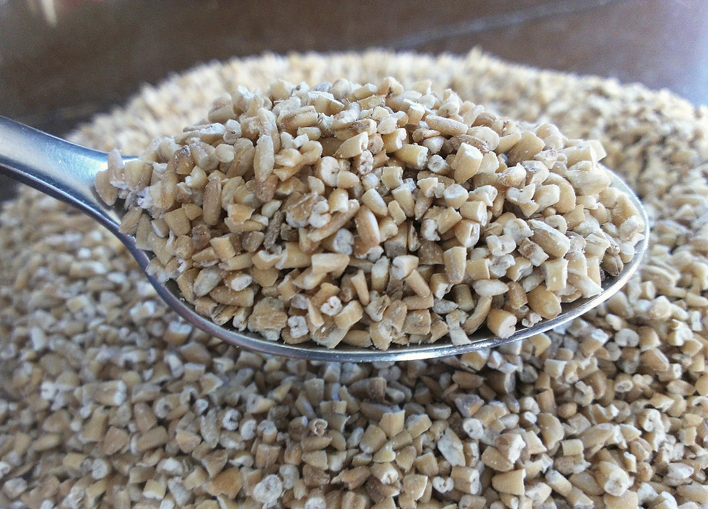
Steel-Cut Oats

Steel-Cut Oats

Also known as Irish oats or coarse oats 

  • Processing: Whole oat groats are chopped into pieces, minimally processed. 
  • Benefits:
    1. Highest in fiber and nutrients due to minimal processing.
    2. Lower glycemic index (GI), leading to more stable blood sugar levels. 
    3. More filling, making them great for appetite control.
  • Drawbacks:
    1. Longer cooking time (20–30 minutes).
    2. Chewier texture, which some may not prefer. 

Image credit: Ragesoss, CC BY-SA 3.0 <https://creativecommons.org/licenses/by-sa/3.0>, via Wikimedia Commons 


Author: Sumana Rao | Posted on:
« »
« »

Recommended for you

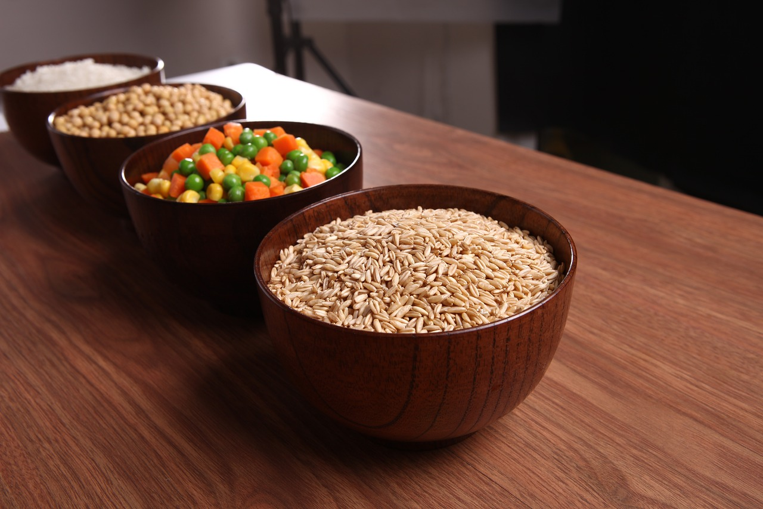
Types Of Edible Oats

Types Of Edible Oats

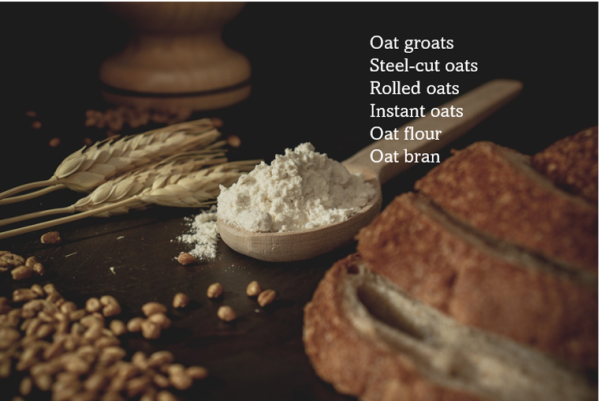
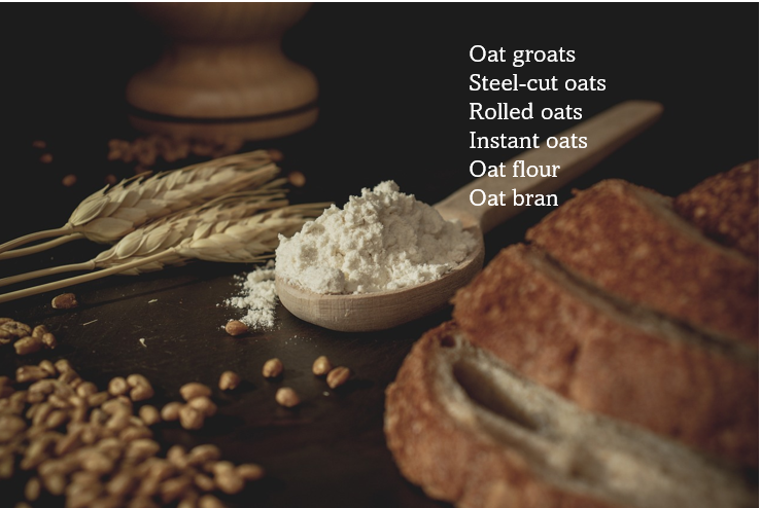
Oats are processed into various forms for consumption: 

  • Oat groats: Whole, minimally processed oat kernels with the inedible hull removed. 
  • Steel-cut oats: Oat groats chopped into smaller pieces. 
  • Rolled oats: Steamed and flattened oat groats, used in oatmeal and granola. 
  • Oat flour: Finely ground oats used for baking. 
  • Oat bran: The fiber-rich outer layer, often sold separately. 

 When considering oats for health, the differences come down to processing. The main types of oats are steel-cut oats, rolled oats, and instant oats, each offering different benefits.  

Image credit: Image by Vugar Ahmadov from Pixabay (Free to use under Pixabay Content License) 


Author: Sumana Rao | Posted on:
« »
« »

Recommended for you

Health Benefits of Oat Nutrients

Health Benefits of Oat Nutrients

  • Heart health: Beta-glucan lowers cholesterol and supports heart health. 
  • Blood sugar control: The combination of fiber and complex carbs reduces glucose spikes. 
  • Weight management: High fiber and protein content promote satiety. 

Why are oats popular? 

  • They are nutrient-dense, containing essential vitamins, minerals, fiber, and protein. 
  • Easy to prepare and highly versatile in sweet and savory dishes
  • Known for health benefits like lowering cholesterol, stabilizing blood sugar, and promoting satiety. 

Oats are a nutritious and versatile grain that plays a key role in global diets and health. 

Image credit: Image by Gnana prakash from Pixabay (Free to use under Pixabay Content License) 


Author: Sumana Rao | Posted on:
« »
« »

Recommended for you

Which Type Of Oat Is Better For Health

Which Type Of Oat Is Better For Health?

Oats are nutrient-dense whole grains that provide a wide array of health benefits. Oats, scientifically known as Avena sativa, are a type of whole grain cereal. They are grown for their edible seeds and have been a staple food for thousands of years due to their versatility, nutritional value, and adaptability to various climates. 

Primary nutrients in oats and their benefits: 

1. Macronutrients (Per 100 grams of dry oats): 

  • Calories: Approximately~ 389 kcal 
  • Carbohydrates: ~66 g: High in complex carbohydrates for sustained energy. contains beta-glucan, a soluble fiber that lowers cholesterol and stabilizes blood sugar. 
  • Protein: ~16.9 g: Rich in a protein called avenin, which supports muscle repair and satiety. Higher protein content than most grains. 
  • Fat: ~6.9 g: Mostly healthy unsaturated fats, including omega-3 and omega-6 fatty acids. 

2. Fiber: Total Fiber: ~10.6 g- Soluble Fiber (Beta-Glucan): Helps lower LDL cholesterol, improves heart health, and supports gut bacteria. Insoluble Fiber: Aids digestion and prevents constipation. 

3. Micronutrients: Manganese, phosphorus, magnesium, iron, zinc, copper, B Vitamins 

4. Antioxidants: Oats contain unique antioxidants called avenanthramides that helps reduce inflammation 

5. Phytochemicals: Natural compounds with anti-inflammatory and immune-boosting properties. 

Image credit: Image by cgdsro from Pixabay (Free to use under Pixabay Content License)

Health Benefits of Oat Nutrients

Health Benefits of Oat Nutrients

Types Of Edible Oats

Types Of Edible Oats

Steel-Cut Oats

Steel-Cut Oats

Rolled Oats

Rolled Oats

Instant Oats

Instant Oats

Which Type Of Oat We Should Chose For Daily Consumption?

Which Type Of Oat We Should Chose For Daily Consumption

Author: Sumana Rao | Posted on:
« »
« »

Recommended for you

Preventing yoga injuries

How To Prevent Injury During Yoga Practice?

Preventing injury during yoga practice involves maintaining proper technique, listening to your body, and taking precautions to create a safe environment.

Sometimes people give up yoga for these reasons- While practicing yoga many times we feel pain in wrist, back, ankle, shoulder, neck, hamstring pull, tendonitis, elbow and knee pain etc.  If the pose is not done properly, we might lose balance and fall resulting injuries like hip pain, leg pain etc.

How to prevent injuries during yoga practice?

1. Warm-up properly:  Always begin with a warm-up to prepare your muscles and joints. Gentle stretches and mobility exercises can help ease your body into practice.

2. Learn proper alignment: Focus on correct posture and alignment in each pose. Small adjustments can make a big difference in preventing strain or injury. Use mirrors or seek feedback from an instructor to ensure proper form.

3. Use props: Use yoga blocks, straps, bolsters, or blankets to modify poses to suit your flexibility and strength. Props can help you maintain proper alignment and reduce strain on muscles and joints.

4. Progress gradually: Avoid pushing yourself into advanced poses before you are ready. Build strength and flexibility gradually. Respect your body’s current limits and avoid comparing yourself to others.

5. Listen to your body: Pain is a sign to stop. Yoga should be challenging but not painful. If you feel sharp or intense discomfort, ease out of the pose and modify or skip it.

6. Practice on a non-slip surface: Use a high-quality yoga mat with good grip to prevent slipping. Ensure the practice area is clean, dry, and free from hazards.

7. Engage your core: A strong core supports your back and helps maintain stability in poses, reducing the risk of strain or injury.

8. Breathe properly: Synchronize your movements with your breath. Avoid holding your breath, as it can create tension and increase the risk of injury.

9. Take rest periods:  Incorporate rest poses like Child’s Pose when you feel fatigued. Do not overexert yourself, especially during longer sessions.

10. Choose the right instructor:  Practice with a certified yoga instructor who can guide you through poses safely and provide personalized modifications. Inform your instructor of any pre-existing injuries or conditions.

11. Hydrate and stay nourished: Ensure you are well-hydrated and have eaten a light meal before practice. Low energy or dehydration can increase the risk of injury.

12. Cool down: End with a cool-down sequence to relax your muscles and prevent stiffness or soreness. Poses like Savasana help transition your body to a resting state.

13. Avoid overdoing it: Practicing yoga daily is fine, but balance intense sessions with restorative or gentle yoga to prevent overuse injuries.

With mindfulness and consistency, yoga can be a safe and transformative practice.

Image credit: https://pxhere.com/en/photo/105985 ( CC0 Public Domain)


Author: Sumana Rao | Posted on: November 28, 2024
« »
« »

Recommended for you