Don't worry about the people in your past; There's a reason they didn't make it to your future.
Testing For Cytomegalovirus CMV
CMV is a common virus that can be transmitted through blood transfusions. Some blood banks screen for CMV, especially for recipients with weakened immune systems.
Cytomegalovirus (CMV) is a common virus that can be found in the blood of many individuals, including blood donors. While CMV is generally harmless for healthy people, it can cause serious complications in individuals with weakened immune systems, such as transplant recipients and those with HIV/AIDS. Therefore, blood banks and donation centers often have policies and procedures in place to reduce the risk of CMV transmission to vulnerable recipients.
Blood banks may ask donors about their CMV status, specifically whether they have had a recent CMV infection. Some blood banks may test donors’ blood for CMV antibodies to determine their infection status. This information can help identify potential CMV transmission risks.
Image credit: Photo by Karolina Grabowska: https://www.pexels.com/photo/full-vials-of-blood-near-various-medical-equipment-for-taking-blood-4226924/ (cc by 0)
In areas where malaria is endemic, donors may be screened for malaria parasites to prevent the spread of the disease.
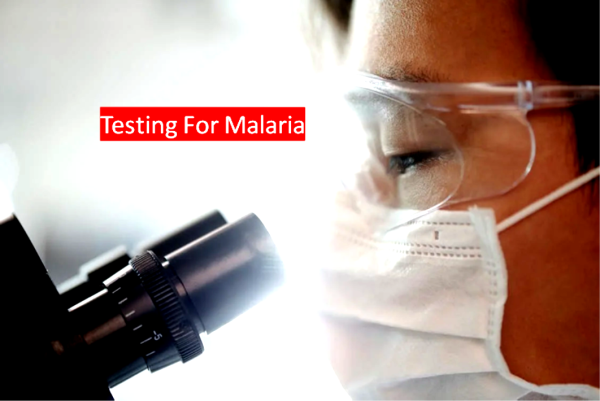
Blood donor screening for malaria is a crucial step in ensuring the safety of the blood supply, especially in areas where malaria is endemic or has been previously transmitted. Malaria is a parasitic infection caused by Plasmodium species, and it can be transmitted through blood transfusions if the donor has a current infection or recently cleared the infection.
In regions where malaria is a concern, donors’ blood samples may undergo specific testing for malaria parasites using diagnostic methods like microscopy or rapid diagnostic tests (RDTs). These tests detect the presence of Plasmodium parasites in the blood.
It’s important to note that malaria screening and donor deferral policies may vary by location and blood donation organization. The aim is to prevent the transmission of malaria through donated blood, as even low levels of the parasite can pose a risk to recipients, particularly those with weakened immune systems.
Image credit: Photo by Edward Jenner: https://www.pexels.com/photo/man-looking-through-a-microscope-4033152/ (cc by 0)
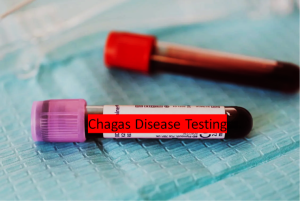
This parasitic infection, transmitted by triatomine bugs, is a concern in certain regions. Some blood banks screen for Chagas disease to prevent transmission.
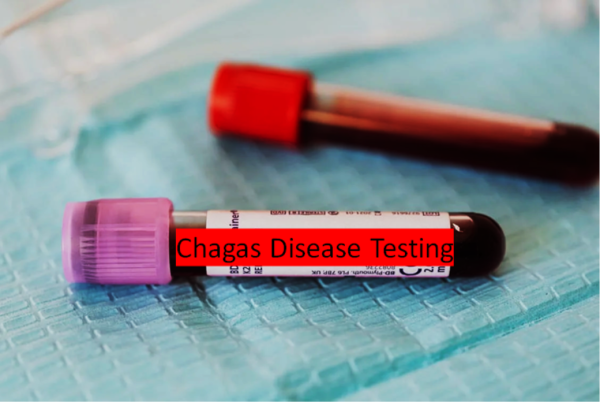
Testing for Chagas disease typically involves a blood test to detect antibodiesto the parasite Trypanosoma cruzi, which causes the disease. The most common method for diagnosing Chagas disease is through serological tests. These tests look for antibodies in the blood that the immune system produces in response to the presence of the Trypanosoma cruzi parasite.
It’s important to note that Chagas diseasehas acute and chronic phases, and the tests may be more accurate during specific phases of the infection. Additionally, the availability of specific tests and testing methods may vary by location and healthcare facility.
Image credit: Photo by Karolina Grabowska: https://www.pexels.com/photo/vials-of-blood-on-medical-diaper-4230623/ (cc by 0)
In regions where West Nile Virus is prevalent, blood banks may screen for the virus to prevent its transmission through blood transfusions.
West Nile Virus (WNV) is a mosquito-borne virus that can infect humans and animals. West Nile Virus is primarily transmitted to humans through the bite of infected mosquitoes. Mosquitoes become infected when they feed on infected birds, which serve as the primary reservoir of the virus. Many people who are infected with West Nile Virus do not develop any symptoms, while others may experience mild to moderate symptoms, including fever, headache, body aches, joint pain, vomiting, diarrhea, or rash.
According to American red cross -Following the introduction of blood donation screening in 2003 through the end of 2018, there have been 15 cases of documented WNV-transfusion transmission from screened blood; all are believed to be due to donations having very low levels of virus. This translates to a risk of about 1 per 84 million donations for the Red Cross overall (or 1 per 35 million during the summer transmission season).
Image credit: Photo by Charlie-Helen Robinson: https://www.pexels.com/photo/blood-samples-in-test-tubes-6622519/ (cc by 0)
A blood test is used to detect the bacterium that causes syphilis, a sexually transmitted infection. Positive results may result in donor deferral.
Syphilis is a sexually transmitted infection (STI) caused by the bacterium Treponema pallidum. It can also be transmitted from an infected mother to her unborn child during pregnancy or childbirth, which is known as congenital syphilis. Syphilis has several stages, and if left untreated, it can lead to serious health complications.
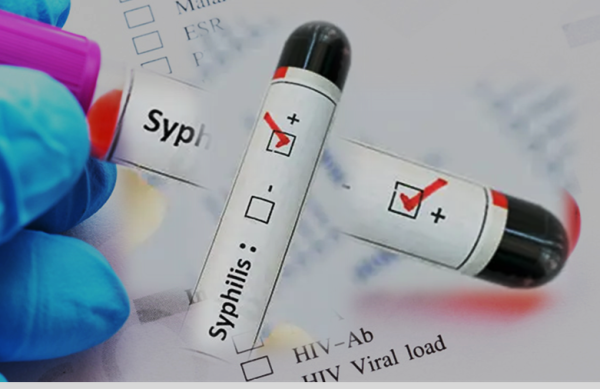
Screening for syphilis is performed using a qualitative test that detects the presence of antibodiesto the spirochete (corkscrew-shaped bacterium), Treponema pallidum, by an automated agglutination assay based on specific pattern recognition. Confirmation is performed using another serologic test for total antibodies, an EIA, as well as a test for reagin (a protein-like substance that is present during acute infection and for several months following resolution of infection).
These tests identify the presence of hepatitis B and C viruses, both of which can lead to liver disease. Positive results often lead to donor deferral.
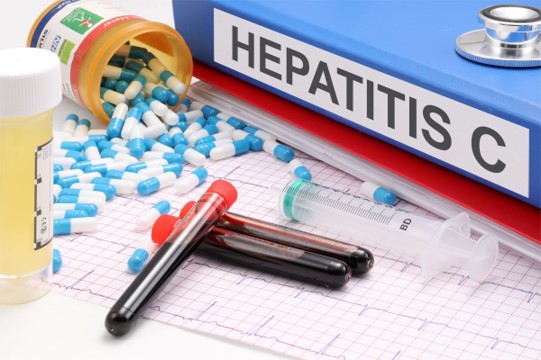
Hepatitis B and Hepatitis C are two distinct types of viral hepatitis, which are liver infections caused by different viruses. They share the name “hepatitis”because they both primarily affect the liver, but they have different modes of transmission, characteristics, and treatments.
According to American Blood cross : HBV DNA and HBsAg are the first viral markers to circulate in an individual infected with HBV. Anti-HBc appears in the blood of individuals infected with HBV one to four weeks after the appearance of HBsAg, and at the onset of symptoms for those adults who develop symptoms (5% or less). The tests used for blood donor screening are the GS (Genetic Systems) HBsAg EIA 3.0, a qualitative ELISA for the detection of HBsAg, and the Ortho HBc ELISA for the qualitative detection of antibodies to HBV core antigen (anti-HBc) in human serum and plasma samples.
This test checks for the presence of the virus that causes AIDS. Donors who test positive for HIV are typically deferred from donating blood.
Testing for Human Immunodeficiency Virus (HIV) in blood donors is a critical component of blood safety protocols. HIV is the virus that can lead to Acquired Immunodeficiency Syndrome (AIDS). Screening blood donors for HIV helps ensure that the donated blood supplyis safe for transfusion recipients.
According to American Blood cross: Blood donation screening for HIV-1, the causative agent of AIDS began with antibody testing in 1985. Many improvements in testing have occurred, including the detection of a second HIV agent (HIV-2 in 1992). The test used for blood donor screening is the GS (Genetic Systems) HIV-1/HIV-2 PLUS O EIA for the simultaneous qualitative detection of anti-HIV 1 (groups M and O) and/or HIV-2 in human serum or plasma. A duplex NAT was introduced for HIV/HCV RNA detection in September 1999 and updated to include the detection of HBV DNA in June 2009 and HIV-2 RNA detection in July 2020.
Blood Safety – Blood Donations Are Screened For Infectious Diseases
Blood donation organizations and blood banks have specific protocols and tests in place to ensure that donated blood is safe for recipients. Generally, every unit of blood is tested to identify the donor’s blood group (O, A, B or AB) and Rh type, and screened for atypical or unusual red cell antibodies. There are a few more tests that are carried out to make sure that donated blood is safe to transfer. These tests are essential for identifying potential infections and diseases that could be transmitted through blood transfusions.
While the exact tests may vary by location and organization, here are some common tests conducted to qualify blood donors for multiple diseases:
1. HIV (Human Immunodeficiency Virus)
2. Hepatitis B and C
3. Syphilis
4. West Nile Virus
5. Chagas Disease.
6. Malaria
7. Cytomegalovirus (CMV)
8. HTLV (Human T-cell Lymphotropic Virus)
9. Zika Virus
10. Bacterial Contamination
It’s important to note that blood banks and donation organizationshave strict guidelines and eligibility criteria that potential donors must meet. These criteria include factors such as recent travel history, medical conditions, and other potential risk factors for disease transmission. Donors who do not meet these criteria or who test positive for certain infections are typically deferred from donating blood to protect the safety of both donors and recipients.