How To Drain Lymph Fluid From The Body
Author: Sumana Rao | Posted on: August 9, 2024
« Prevent Distracted Driving Homemade Oral Rehydration Solutions »
Using ice and heat for injuries and pain management depends on the type and timing of the injury or condition. Sometimes it could be confusing when to use ice or heat treatment to bring normalcy to aching body.
Here are some guidelines regarding when to use ice or heating pad:
When to use ice?
Ice is primarily used to reduce inflammation and numb pain. It is most effective in the acute phase of an injury, which is typically the first 24-48 hours.
How to apply ice:
Having cold compress at home helps in following conditions:
When to use heat?
Heat is used to relax and loosen tissues and to stimulate blood flow to the area. It is most effective for chronic conditions and muscle tightness.
How to apply heat?
Having Hot compress at home is helpful in these conditions
Tips to use cold and heat pads
Timing: For acute injuries, start with ice for the first 24-48 hours to reduce swelling. After this period, you may switch to heat to help relax muscles and improve blood flow.
Combination therapy: In some cases, alternating between ice and heat (contrast therapy) can be beneficial, such as in chronic injuries where both inflammation and stiffness are present.
Always consult with a healthcare professional if you are unsure whether to use ice or heat for your specific injury or condition. Some injuries may require different treatments or approaches.
Using ice and heat appropriately can aid in recovery and provide relief from pain and discomfort.
Image credit: Jen, CC BY-SA 3.0 https://creativecommons.org/licenses/by-sa/3.0, via Wikimedia Commons& Wegman’s store
Kerala has issued an alert for a brain-eating amoeba called Naegleria fowleri. So far, four deaths have been reported from the state. This brain eating amoeba can cause a rare but often fatal brain infection called Primary Amebic Meningoencephalitis (PAM). It is typically found in warm freshwater bodies like lakes, rivers, and hot springs.
The amoeba is known to enter the human body through nasal passages, and it travels through the cribriform plate – which is located at the base of the skull and transmits olfactory nerves to enable the sense of smell – to reach the brain -BBC report.
Since 1965, around the world four hundred cases of PAM reported, while India has had fewer than thirty cases so far. The mortality rate is 97%.
Infection usually occurs when contaminated water enters the body through the nose, allowing the amoeba to travel to the brain. Early detection and treatment are crucial for survival.
Precautions and care measures to help prevent infection from the brain-eating amoeba, Naegleria fowleri.
Symptoms:
If you suspect exposure to Naegleria fowleri and experience symptoms, seek immediate medical attention. Symptoms of PAM usually appear within 1 to 9 days of exposure and can include:
Precautions:
Treatment:
Early diagnosis and treatment are crucial for improving survival chances. Healthcare providers may use a combination of antifungal and antimicrobial medications, including:
What public can do to prevent spreading the amoeba?
References:
https://economictimes.indiatimes.com/
Kerala: Teenager survives rare brain-eating amoeba disease (bbc.com)
Image credit: www.CDC.gov: High resolution of Naegleria fowleri ameba in a person’s cerebrospinal fluid. Photo: Dr. James Roberts, Children’s Healthcare of Atlanta
Coconut milk is beneficial not just for internal health but also for external body care. Using coconut milk for body care can enhance your beauty routine naturally, providing hydration, nourishment, and soothing properties to your skin and hair.
Ways to use coconut milk in skin care routine:
1. Moisturizing bath: Add 1-2 cups of coconut milk to your bathwater. Soak in the bath for 20-30 minutes.
2. Skin moisturizer: Apply coconut milk directly to your skin after a bath or shower. Gently massage it in until fully absorbed.
3. Face mask: Mix equal parts of coconut milk and honey. Apply the mixture to your face and leave it on for 15-20 minutes before rinsing off with warm water.
4. Hair conditioner: After shampooing, apply coconut milk to your hair, focusing on the ends. Leave it on for 5-10 minutes, then rinse thoroughly.
5. Scalp treatment: Massage coconut milk into your scalp and leave it on for 20-30 minutes before washing it out with shampoo.
6. Body scrub: Mix coconut milk with sugar or sea salt to create a natural exfoliating scrub. Gently massage it onto your skin in circular motions, then rinse off with warm water.
7. Sunburn relief: Apply chilled coconut milk to sunburned areas. Leave it on for 15-20 minutes before rinsing off.
8. Razor burn relief: Apply coconut milk to the skin after shaving to help soothe and reduce razor burn.
9. Foot soak: Add coconut milk to a basin of warm water and soak your feet for 15-20 minutes.
10. Eye makeup remover: Dab a cotton ball with coconut milk and gently wipe away eye makeup.
Tips for using coconut milk for body care: Even though the chance of having skin allergy to coconut milk is rare, it is better to take precautions before applying it on skin.
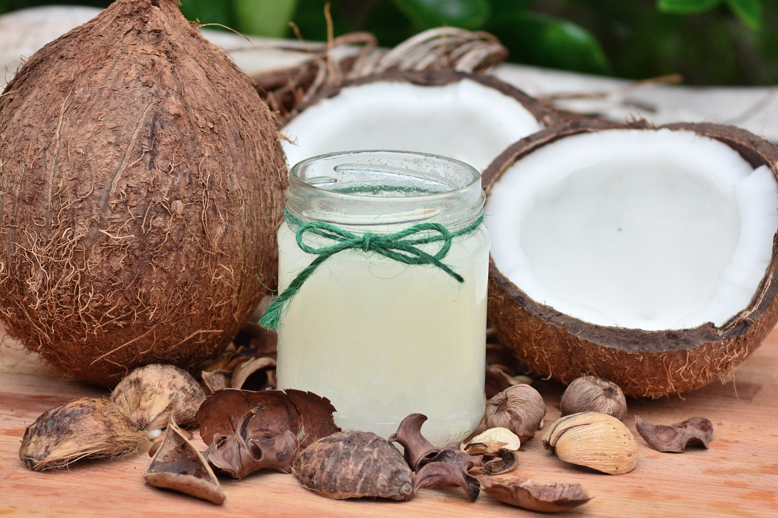
Image credit: https://pxhere.com/en/photo/527019 (CC0 Public Domain)
Coconut milk rice is aromatic and tastes good. Adding coconut milk to dishes improves tastes and serves many health benefits. It is an alternative for lactose free food, boosts immunity, rich in Vitamin E, B and C. It is also considered as a healthy fat that supports health heart.
When incorporating coconut milk into your diet, opt for unsweetened varieties to avoid added sugars. Best is to prepare coconut milk at home by grinding freshly grated coconut.
Ingredients:
1. Basmati rice (or any long-grain rice) – 1 cup
2. Coconut milk – 1.5 cup
3. Water – 1 cup
4. Medium onion, finely chopped -1
5. Garlic clove -2 (minced)
6. Ginger – 1 tsp (minced)
7. Green chili, slit (optional for heat) – 1 or 2
8. Cooking oil – 1 Tbsp (coconut oil preferred)
9. Cumin – 1 tsp
10. Mustard – ½ tsp
11. Bay leaf – 1
12. Cinnamon -1-inch stick
13. Salt – as per taste
14. Chopped coriander – ½ cup
15. Curry leaves – few
Preparation:
1. Rinse the rice under cold water. Soak the rice in water for about 15-20 minutes, then drain.
2. Chop the onion, mince the garlic and ginger, and slit the green chili.
3. In a large saucepan, heat the oil over medium heat. Add the cumin seeds, bay leaf, and cinnamon stick. Sauté for about 30 seconds until fragrant.
4. Add the chopped onion to the pot and sauté until it becomes translucent. Add the minced garlic, ginger, curry leaves and slit green chili. Cook for another 1-2 minutes until fragrant.
5. Coconut milk preparation: Grate one coconut and grind with ½ cup water – strain and collect the coconut milk. Alternatively, you can use store bought canned unsweetened coconut milk.
6. Add the soaked and drained rice to the cooking vessel. Stir well to coat the rice with the oil and spices. Pour in the coconut milk and water. Add salt to taste.
7. Bring the mixture to a boil, then reduce the heat to low. Cover the lid and let it simmer for about 15-20 minutes, or until the rice is cooked and the liquid is absorbed.
8. Once the rice is cooked, turn off the heat and let it sit, covered, for another 5-10 minutes. This allows the rice to steam and become fluffy. Garnish with fresh cilantro.
9. Serve the coconut milk rice with your
Image credit: Coconut Image by manueltapi from Pixabay (Free for use under Pixabay content license)
Coconut milk rice image credit: www.werindia.com (Copilot Designer August 4th 3:56 pm)
AI is playing an increasingly significant role in the agriculture industry worldwide, transforming traditional farming practices into more efficient, productive, and sustainable ones.
The future of AI in agriculture promises to enhance productivity, sustainability, and resilience in farming, helping to address global challenges such as food security, climate change, and environmental sustainability. As technology continues to evolve, its integration into agriculture will bring about transformative changes, making farming smarter, more efficient, and more sustainable than ever before.
Ways AI impacting current agriculture practices –
Precision farming
Predictive analytics
Automation and robotics
Drones and satellite imaging
Supply Chain Optimization
Livestock management
Climate change adaptation
Smart irrigation systems
Market forecasting
Resource management
Several leading agricultural companies are leveraging AI technology to innovate and enhance their farming practices are – John Deere, Bayer, Syngenta, Corteva Agriscience, Trimble Agriculture etc. In India – Salam Kisan, DeHaat, Ninjacart, Cropin Technology, AgNext are examples where AI is using AI to help farmers. These companies are at the forefront of integrating AI into agriculture, driving innovation, and helping farmers meet the challenges of modern farming through advanced technology and data-driven solutions.
Challenges faced by AI supported Ag Industry:
1. High Initial costs of technology investment – this is a big challenge mainly small-scale farmers face.
2. Data management and quality which requires a vast amount of accurate and comprehensive data.
3. Technical complexity of understanding AI technologies and knowledge by farmers including maintenance and support
4. Infrastructure Limitations like connectivity issues for AI Apps through network and power supply
5. Regulatory and ethical concerns – data protection and privacy concerns by farmers. Data should be ethical.
6. Regulatory compliance: Navigating drones and autonomous machinery through AI can be complex.
6. Environmental and social Impact – it is important to ensure farmers that these technologies promote sustainable practices.
7. Automation of the farm work due to AI application could cause Job displacement and can lead to social and economic concerns.
8. Reliability and accuracy of AI based models – if there is incorrect recommendation or predications it could lead to heavy losses. Ensuring farmers with practical knowledge under varying conditions that AI technology works is essential.
9. Economic barriers – small scale farmers might not be able to afford the technology. Another major challenge is funding and investment.
10. Cultural and behavioral resistance – farmers who rely on traditional practices might be hesitant to adopt innovative technologies. Building trust with transparency approaches is critical to introduce AI technology in the field.
Addressing these challenges requires a concerted effort from technology developers, policymakers, educational institutions, and the farming community to create a supportive ecosystem for AI in agriculture.
References:
Image credit: Generated with AI ∙ July 31, 2024, at 7:57 PM
Yoga helps to bring balance between mind and body. Whenever we are feeling emotions, it impacts our body positively or negatively. Yoga asanas can have a profound impact on our emotional well-being and help to overcome negative emotions. Such yoga poses are identified in our scriptures and are designated to overcome negative emotions. Whenever we are not feeling energetic due to overwhelming emotions, we can make use of these asanas to feel better.
Here are examples of asanas that are commonly associated with specific emotional benefits:
1. Balasana (Child’s pose):
Emotional Benefits: Provides a sense of safety, calm, and relaxation. Helps to relieve stress and anxiety.
How to do It: Kneel on the floor, sit back on your heels, and stretch your arms forward on the mat. Rest your forehead on the ground.
2. Bhujangasana (Cobra pose):
Emotional Benefits: Opens the heart and chest, promoting feelings of courage and reducing feelings of depression.
How to do It: Lie on your stomach, place your hands under your shoulders, and gently lift your chest off the floor while keeping your elbows close to your body.
3. Setu Bandhasana (Bridge pose):
Emotional Benefits: Relieves anxiety and calms the mind. Promotes relaxation and opens the chest.
How to do It: Lie on your back with your knees bent and feet flat on the floor. Lift your hips towards the ceiling while keeping your feet and shoulders grounded.
4. Adho Mukha Svanasana (Downward facing dog pose):
Emotional Benefits: Energizes the body and mind, relieves stress, and combats feelings of fatigue.
How to do It: Start on your hands and knees, lift your hips towards the ceiling, and straighten your legs and arms, forming an inverted V shape.
5. Virabhadrasana II (Warrior II pose):
Emotional Benefits: Builds confidence and strength, promotes courage, and enhances focus.
How to do It: Stand with your legs wide apart, turn one foot out, bend the knee of the turned-out foot, and extend your arms out to the sides.
6. Garudasana (Eagle pose):
Emotional Benefits: Promotes balance and focus, relieves stress, and improves concentration.
How to do It: Stand on one leg, wrap the other leg around it, and cross your arms in front of you while bringing your palms together.
7. Savasana (Corpse pose):
Emotional Benefits: Deep relaxation, stress relief, and mental clarity.
How to do It: Lie flat on your back with your arms and legs comfortably spread, palms facing up, and eyes closed.
8. Viparita Karani (Legs up the wall pose):
Emotional Benefits: Calms the nervous system, reduces anxiety, and promotes relaxation.
How to do It: Lie on your back and extend your legs up against a wall, forming a 90-degree angle with your body.
9. Anjaneyasana (Low Lunge pose):
Emotional Benefits: Opens the heart and hips, promoting emotional release and a sense of openness.
How to do It: Step one foot forward into a lunge position, lower the back knee to the ground, and lift your arms overhead.
10. Uttanasana (Standing Forward Bend pose):
Emotional Benefits: Calms the mind, relieves stress and anxiety, and promotes introspection.
How to do It: Stand with your feet hip-width apart, bend forward at the hips, and let your upper body hang down while keeping your legs straight.
Practicing these asanas regularly can help manage emotions, reduce stress, and promote overall emotional well-being. Always listen to your body and practice within your limits.
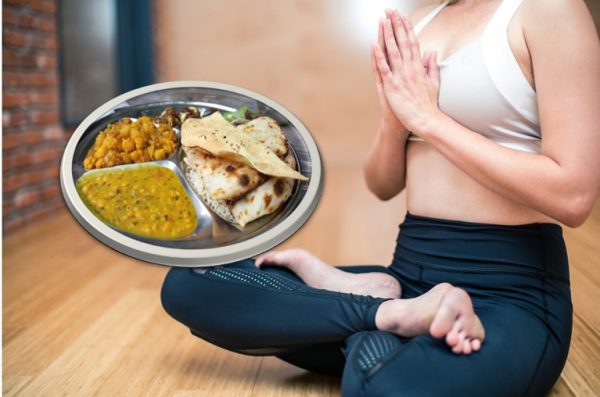
Image credit: https://pxhere.com/en/photo/494967 CC0 Public Domain (Uploaded on Pxhere
01/22/2017)