









 Fusion

Suffering From Hair Loss During Fall And Winter -Ways To Keep Your Hair Healthy
As the leaves fall and the temperatures drop, you might notice more strands of hair in your brush or shower drain. Don’t panic — seasonal hair loss is quite common during fall and winter. Understanding why it happens and how to care for your hair can help you keep those locks strong and healthy even in the cold months.
Why does hair fall increase in fall and winter?
Understanding why hair fall is more during cold season is important. This will help you further to take care of your hair health. Several factors contribute to increased hair shedding during the cooler seasons.
1. Seasonal shedding cycle :Just like animals shed fur before winter, humans experience mild hair shedding too. Research suggests that many people lose more hair in fall after the growth phase (anagen) of summer ends. This is the body’s natural way of renewing hair.
2. Dry air and low humidity :Cold air outside and indoor heating both rob your hair and scalp of moisture. This results in dry, brittle strands that break easily and a flaky scalp that can contribute to hair thinning.
3. Reduced sunlight and vitamin D levels: With shorter days, we get less sun exposure – it means lower Vitamin D levels. Since Vitamin D plays a role in hair follicle health, a deficiency can leads to increased shedding or slower regrowth.
4. Poor scalp circulation: Cold temperatures cause blood vessels to constrict, reducing circulation to the scalp. This means your hair follicles receive fewer nutrients and oxygen, affecting hair growth and strength.
5. Nutritional deficiency: During fall and winter, many people switch to comfort foods and eat fewer fresh fruits and vegetables. A diet low in iron, protein, or zinc can make hair weaker and more prone to falling out.
6. Stress and hormonal changes: Seasonal changes, shorter daylight hours, and even mild seasonal depression (SAD) can increase stress levels. Elevated cortisol — the stress hormone — is known to trigger temporary hair loss.
Ways to keep hair healthy in fall and winter
While you cannot stop seasonal hair shedding completely, you can minimize it with a few simple changes to your routine.
1. Keep your scalp hydrated :Use a gentle, sulfate-free shampoo and follow with a nourishing conditioner or leave-in treatment. Massage warm coconut or argan oil into your scalp once or twice a week to lock in moisture and boost circulation.
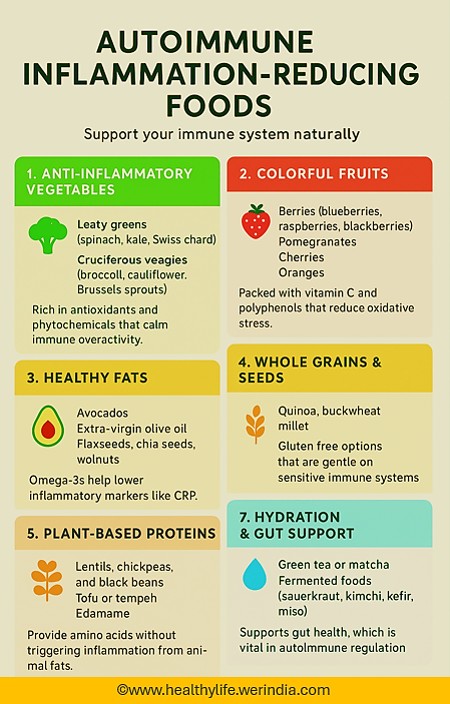
2. Eat hair-friendly foods: These nutrients strengthen hair from the inside out.
- Protein: lentils, tofu, Greek yogurt
- Iron: spinach, pumpkin seeds, chickpeas
- Omega-3s: walnuts, chia seeds, flaxseeds
- Vitamin D: fortified plant milk, mushrooms, and moderate sunlight exposure
3. Avoid hot showers: While a hot shower feels comforting, it strips natural oils from your scalp. Rinse your hair with lukewarm water instead to prevent dryness and irritation.
4. Limit heat styling: Blow dryers, straighteners, and curling irons can worsen winter dryness. Try air-drying your hair or using a heat protectant spray when styling is necessary.
5. Protect your hair outdoors: Chilly wind and friction from hats or scarves can cause breakage. Line your hats with silk or satin fabric to reduce friction and static.
6. Stay hydrated: Even in winter, your hair and scalp need hydration from within. Drink enough water and add herbal teas or soups to your diet to stay hydrated.
7. Consider a scalp serum or vitamin supplement: If hair loss seems excessive, consult a dermatologist. Sometimes, adding a biotin or vitamin D supplement can help support healthy hair growth.
Seasonal hair shedding in fall and winter is normal, but it doesn’t have to be permanent. With the right care — a balanced diet, moisture-rich hair care routine, and protection from the cold — you can keep your hair shiny, strong, and resilient all season long.
Image credit: Image by Marfa Bogdanovskaya from Pixabay (Free to use under Pixabay content license Published date- May 6, 2016)
Author: Sumana Rao | Posted on: October 13, 2025
« Previous Article
Next Article »
« How Elders Can Establish A Healthy Relationship With Gen Z Practicing Kegel Hold Everyday Helps To Improve Bladder, Bowel And Pelvic Health »
« How Elders Can Establish A Healthy Relationship With Gen Z Practicing Kegel Hold Everyday Helps To Improve Bladder, Bowel And Pelvic Health »










Write a comment